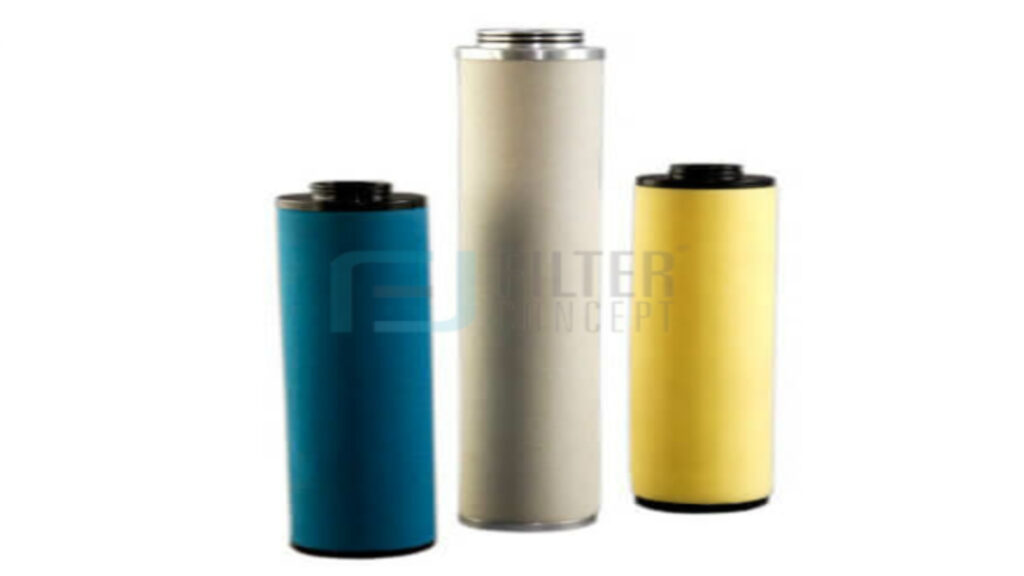
Compressed air systems are widely used in industries such as manufacturing, automotive, pharmaceuticals, food processing, and construction. While compressors generate the air needed for operations, maintaining clean and contaminant-free air is equally important. This is where a compressed air filter plays a vital role. It helps remove dust, oil, moisture, and other impurities from the compressed air supply, ensuring efficient system performance and longer equipment life.
What Is a Compressed Air Filter?
A compressed air filter is a device designed to clean compressed air before it reaches pneumatic tools, machinery, or production lines. During the compression process, air can collect contaminants from the surrounding environment and the compressor itself. Without proper filtration, these impurities may damage equipment, reduce productivity, and increase maintenance costs.
Compressed air filters are installed within the air system to trap unwanted particles and provide clean, dry air for industrial applications. They are essential for maintaining air quality and ensuring smooth operations.
Types of Compressed Air Filters
Different industries require different levels of air purity. As a result, several types of compressed air filters are available to meet specific operational needs.
1. Particulate Filters
These filters remove solid particles such as dust, rust, and dirt from compressed air. They are commonly used as the first stage of filtration.
2. Coalescing Filters
Coalescing filters eliminate oil aerosols and fine moisture droplets. They combine tiny liquid particles into larger drops, making them easier to remove from the system.
3. Activated Carbon Filters
These filters are designed to remove oil vapors and odors from compressed air. They are often used in industries where air purity is critical, such as food processing and pharmaceuticals.
4. Moisture Filters
Moisture filters help remove water from compressed air systems, preventing corrosion and damage to pneumatic tools and equipment.
Benefits of Using a Compressed Air Filter
Installing the right compressed air filter offers several advantages for industrial operations.
Improved Equipment Performance
Clean air reduces wear and tear on machinery and pneumatic tools. This helps equipment operate efficiently and minimizes unexpected downtime.
Extended Equipment Lifespan
Contaminants such as moisture and oil can damage internal components over time. A quality compressed air filter protects equipment and increases its service life.
Better Product Quality
Industries like electronics, pharmaceuticals, and food manufacturing require contamination-free air. Proper filtration prevents impurities from affecting the final product.
Reduced Maintenance Costs
Clean compressed air systems experience fewer breakdowns and require less frequent repairs. This lowers maintenance expenses and improves productivity.
Energy Efficiency
Blocked or dirty filters can reduce airflow and force compressors to work harder. Replacing filters regularly helps maintain system efficiency and reduces energy consumption.
How to Choose the Right Compressed Air Filter
Selecting the correct compressed air filter depends on several factors. Understanding your application requirements can help you make the right decision.
Air Quality Requirements
Different applications require different air purity levels. Sensitive industries may need advanced filtration systems for cleaner air.
Flow Rate
Choose a filter that matches the airflow capacity of your compressor system. An undersized filter may reduce system performance.
Operating Pressure
Ensure the filter is compatible with your system’s operating pressure to avoid performance issues.
Filter Efficiency
Look for filters with high filtration efficiency to remove contaminants effectively while maintaining proper airflow.
Maintenance Needs
Some filters require frequent replacement or cleaning. Selecting easy-to-maintain filters can save time and operational costs.
Maintenance Tips for Compressed Air Filters
Proper maintenance is essential for achieving the best performance from a compressed air filter.
- Inspect filters regularly for dirt buildup or clogging.
- Replace filter elements according to manufacturer recommendations.
- Monitor pressure drops within the system.
- Drain collected moisture from filters when necessary.
- Use high-quality replacement parts for reliable performance.
Routine maintenance ensures the filter continues to provide clean air and protects the overall compressed air system.
Conclusion
A compressed air filter is an essential component of any compressed air system. It helps maintain clean air, improves equipment performance, reduces maintenance costs, and supports energy efficiency. Whether used in manufacturing plants or sensitive production environments, proper air filtration ensures reliable operations and better productivity. By choosing the right filter and maintaining it regularly, businesses can maximize the performance and lifespan of their compressed air systems.
