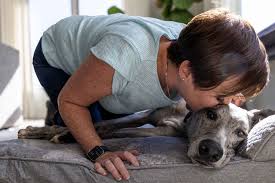
Making end-of-life decisions for a pet can feel emotionally difficult and mentally exhausting. Many families struggle with knowing how to prepare while keeping their pet calm and comfortable. Planning ahead helps reduce stress on the day itself and allows owners to focus on care, comfort, and support. Understanding what to expect can make the process easier for families facing euthanasia for cats or euthanasia for dogs.
Knowing When the Time May Be Right
Pet owners often notice gradual changes before discussing euthanasia with a veterinarian. A decline in mobility, appetite, or breathing can affect a pet’s quality of life. Some animals also become withdrawn or anxious during normal activities. Veterinarians usually assess pain levels, medical conditions, and overall comfort before recommending options. Tracking good and difficult days can also help owners make informed decisions. Cats may hide more often or stop grooming, while dogs may struggle to walk or maintain regular movement.
Preparing Your Pet and Home
Creating a calm environment can help pets remain relaxed during the appointment. Many families choose familiar spaces where the animal already feels safe and comfortable.
Keep the Environment Calm
Soft bedding, favourite toys, and quiet surroundings may help reduce anxiety. Cats often prefer enclosed and peaceful areas, while dogs usually feel calmer near familiar people.
Limit Stress Before the Appointment
Avoid unnecessary travel, loud noises, or unfamiliar visitors before the procedure. Families arranging at-home care often prepare one quiet room where the veterinarian can work comfortably.
Offer Comfort and Reassurance
Pets usually respond well to gentle touch and calm voices. If the veterinarian approves, owners can also offer favourite treats or meals before the appointment.
Deciding Who Should Be Present
Families should discuss attendance before the appointment day. Some people prefer private goodbyes, while others feel more comfortable with family nearby for support. Children may also have questions about the process. Honest and age-appropriate conversations often help them understand the situation more clearly. Some veterinarians also encourage owners to consider whether other pets should briefly see the animal afterwards, as this may reduce confusion in homes with multiple pets.
Understanding the Euthanasia Process
Understanding the procedure beforehand often helps reduce fear and uncertainty for pet owners. Veterinarians usually explain each step before beginning. In most cases, pets first receive medication that helps them relax or fall asleep peacefully. The veterinarian then administers the final medication while the family remains nearby. Families considering euthanasia for cats at home often choose quiet spaces with minimal distractions. Owners should also understand that small body movements may happen naturally after passing. Veterinarians normally explain these reactions in advance to prevent unnecessary distress.
Planning Aftercare Decisions
Aftercare arrangements are easier when families discuss options before the appointment. Planning ahead prevents rushed decisions during emotional moments. Options may include:
- Private cremation
- Communal cremation
- Burial, where legally permitted
- Paw print or fur keepsakes
Families arranging euthanasia for dogs often ask veterinarians about memorial options and local regulations before finalising plans.
Conclusion
Preparing for a pet’s final moments involves both emotional and practical decisions. A calm environment, clear communication, and veterinary guidance can help families feel more prepared during a difficult time. Planning ahead also helps reduce stress for both the pet and the owner. Taking thoughtful steps before the appointment allows families to focus on comfort, dignity, and compassionate care throughout the process.
