Obesity has quietly become one of the most pressing health challenges of our time. It is no longer viewed simply as a cosmetic concern but as a chronic medical condition linked to type 2 diabetes, high blood pressure, heart disease, sleep apnoea, joint problems and certain cancers. For many people living with severe obesity, diet plans, exercise routines and medication offer only temporary relief. Studies consistently show that fewer than one in twenty people who lose a significant amount of weight through lifestyle changes alone manage to keep it off long term. This is where bariatric, or weight-loss, surgery has emerged as a proven and durable solution — and where robotic technology is now taking that solution to a new level of precision.
What is robotic bariatric surgery?
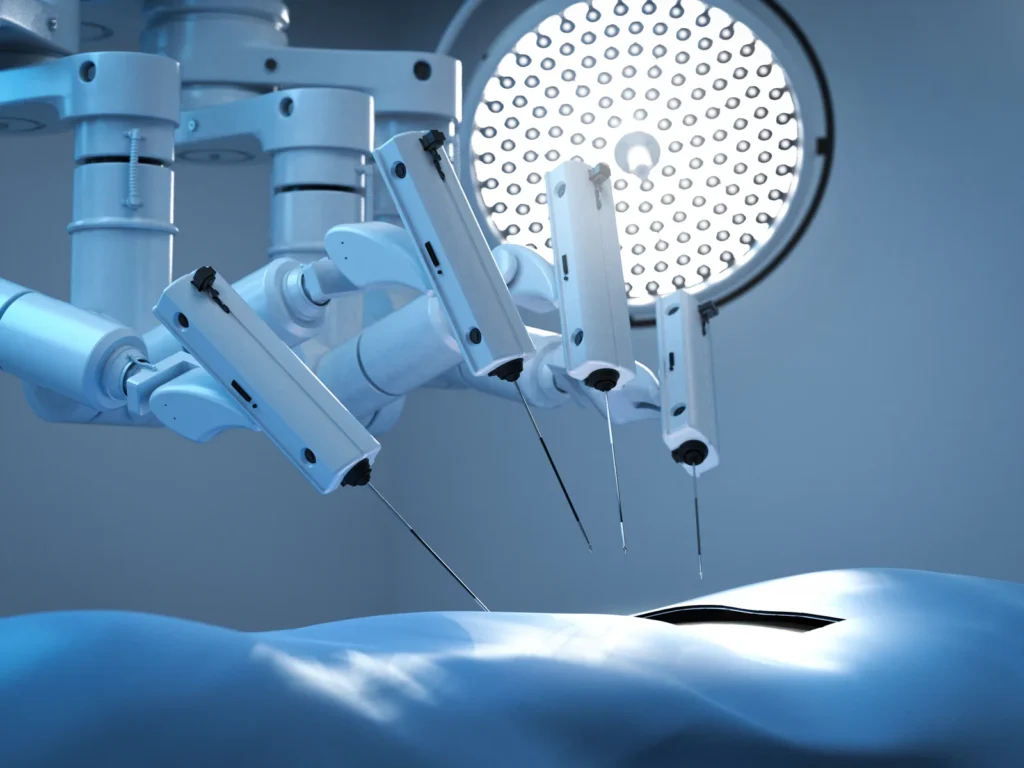
Robotic bariatric surgery is an advanced form of minimally invasive weight-loss surgery. Instead of making one large incision, the surgeon operates through a few small keyhole openings using a robotic surgical system. It is important to clear up a common misunderstanding: the robot does not perform the operation on its own. The surgeon remains in complete control at all times, seated at a console and guiding tiny, wristed instruments that translate every hand movement into precise actions inside the body.
The system gives the surgeon a magnified, high-definition three-dimensional view of the operating area, along with instruments that can rotate and bend far beyond the range of the human wrist. For a procedure that takes place deep within the abdomen, this combination of vision and dexterity can make a meaningful difference.
How it differs from traditional approaches
Weight-loss surgery has evolved through three broad stages. Open surgery, the oldest method, involves a long incision and a longer recovery. Laparoscopic, or keyhole, surgery reduced incision size dramatically and became the standard for most bariatric procedures. Robotic surgery builds on the laparoscopic foundation, adding enhanced visualisation, steadier movements and greater control in tight or hard-to-reach spaces.
The most common procedures performed robotically include sleeve gastrectomy, in which a large portion of the stomach is removed to create a smaller, sleeve-shaped pouch, and gastric bypass, which reroutes the digestive tract to limit food intake and absorption. Revision surgeries — operations performed on patients who have had previous weight-loss procedures — are often where the robotic approach is especially valuable, because scar tissue from earlier surgery makes the anatomy more complex to navigate.
The benefits patients notice
While every patient and every body is different, the potential advantages of a robotic approach are well documented:
• Smaller incisions and minimal scarring
• Reduced blood loss during the operation
• Less post-operative pain for many patients
• Shorter hospital stays, often just one to two days
• A quicker return to everyday activities
• Greater surgical precision in complex or revision cases
These benefits flow largely from the precision and stability the technology offers. Fine, controlled movements reduce trauma to surrounding tissue, which in turn supports a smoother recovery.
Who is a candidate?
Bariatric surgery, robotic or otherwise, is not a quick fix or a cosmetic procedure. It is generally considered for adults with a body mass index (BMI) of 40 or above, or for those with a BMI of 35 and above who also have an obesity-related condition such as type 2 diabetes or hypertension. Candidates are usually people who have made genuine attempts to lose weight through diet and exercise without lasting success.
A thorough pre-surgical evaluation is essential. This typically includes blood tests, nutritional assessment, psychological screening and a detailed discussion of medical history. The goal is to confirm that surgery is the right step and that the patient is prepared for the lifestyle changes that follow.
Recovery and life afterwards
Recovery from robotic bariatric surgery is generally smoother than from open surgery, but it still requires commitment. In the first days and weeks, patients follow a carefully staged diet, beginning with liquids before gradually progressing to soft and then solid foods. Hydration, adequate protein intake and prescribed vitamin supplements become daily priorities.
Surgery is best understood as a powerful tool rather than a standalone cure. The most successful long-term results come from pairing the procedure with sustainable habits: balanced eating, regular physical activity and ongoing follow-up with the surgical team. Many patients see significant improvement — and sometimes complete resolution — of conditions like type 2 diabetes within months, often before they reach their target weight.
Choosing the right surgeon matters
Technology is only as good as the hands guiding it. The outcome of any weight-loss operation depends heavily on the experience, training and judgement of the surgeon and their team. Anyone considering this path should look for a qualified specialist with specific expertise in robotic bariatric surgery, a strong track record of procedures performed, and a transparent approach to discussing risks, expectations and aftercare.
It is worth asking how many procedures a surgeon has performed, what their complication rates look like, and what kind of long-term support they provide. A good surgical team treats the operation as the beginning of a relationship, not the end of one.
A realistic, hopeful outlook
Robotic bariatric surgery represents a genuine step forward in the treatment of severe obesity. It combines the proven principles of weight-loss surgery with the precision of modern technology, offering many patients a safer, smoother and more confident path toward better health. It is not a magic solution, and it asks for real commitment in return. But for people who have struggled for years against a condition that resists willpower alone, it can mark the start of a profound and lasting transformation — physically, medically and emotionally.
If you or someone you love is living with obesity and its complications, the most important step is an informed conversation with a qualified specialist. Understanding the options, the requirements and the realistic outcomes is the foundation on which every successful weight-loss journey is built.
