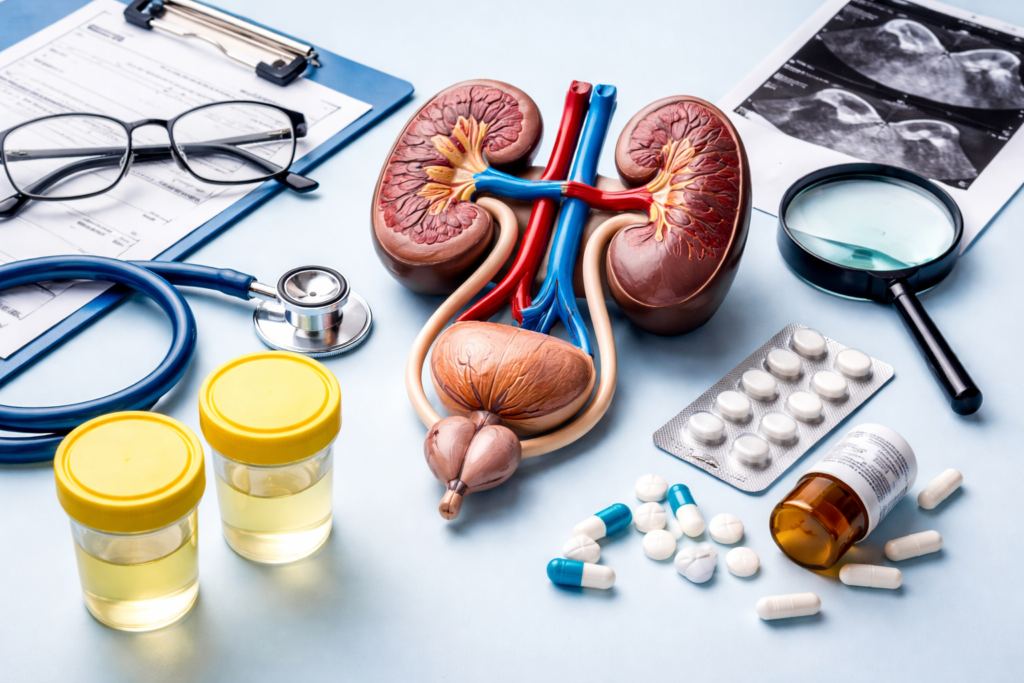
Urological health rarely makes it onto anyone’s list of New Year’s resolutions. The urinary system – the kidneys, ureters, bladder and urethra, along with the male reproductive organs – tends to be ignored until something goes wrong. Yet these organs work continuously, filtering waste, balancing fluids and regulating blood pressure around the clock. When they falter, the symptoms are easy to dismiss or feel too embarrassing to discuss. That silence is exactly why so many urological conditions are caught later than they should be.
The good news is that most urological problems are highly treatable, especially when addressed early. Understanding the common conditions, recognising the red flags, and knowing when to seek specialist care can make an enormous difference to both comfort and long-term outcomes.
The conditions that affect millions
Several urological conditions are remarkably common, cutting across age groups and genders.
Urinary tract infections (UTIs) are among the most frequent bacterial infections worldwide. They are far more common in women, but they affect men and children too. A burning sensation during urination, a frequent urge to go, cloudy or strong-smelling urine, and lower abdominal discomfort are typical signs. Most uncomplicated UTIs clear up quickly with the right antibiotics – but recurrent infections, or any UTI accompanied by fever and back pain, deserve closer attention, as the infection may have reached the kidneys.
Kidney stones form when minerals and salts in the urine become concentrated and crystallise. Anyone who has passed one rarely forgets the experience: sudden, severe pain in the side or lower back that can radiate to the groin, often with nausea and blood in the urine. Small stones may pass on their own with hydration, but larger ones can block the flow of urine and require minimally invasive treatment. Diet, fluid intake and genetics all play a role, which means many stones are preventable.
An enlarged prostate, medically known as benign prostatic hyperplasia, is an almost universal part of male ageing. As the prostate grows, it can squeeze the urethra and disrupt the flow of urine. Men may notice a weak or interrupted stream, difficulty starting, a feeling of incomplete emptying, or waking repeatedly at night to urinate. It is not cancer and does not become cancer, but it can significantly affect quality of life – and modern treatments, from medication to quick laser procedures, are highly effective.
Overactive bladder causes a sudden, hard-to-control urge to urinate, sometimes with leakage. It is common, under-reported, and very treatable through a combination of bladder training, lifestyle changes and medication. Many people simply endure it for years, assuming it is a normal part of getting older. It isn’t.
Erectile dysfunction, while often viewed purely as a health issue, is frequently an early warning sign of something larger. The small blood vessels involved in an erection can narrow before larger arteries do, which means persistent erectile difficulties can be one of the first signals of cardiovascular disease, diabetes or high blood pressure. Treating it is rarely just about restoring function – it is an opportunity to investigate overall health.
The red flags you should never ignore
While many urinary symptoms are mild and self-limiting, a few warrant prompt medical attention. Chief among them is blood in the urine. Even a single episode of visible blood – and even if it is painless and goes away on its own – should always be evaluated. It can be caused by something minor, but it is also the most common early sign of bladder and kidney cancers, where early detection dramatically improves outcomes.
Other warning signs include severe or worsening pain in the side or lower abdomen, a complete inability to urinate, fever accompanied by urinary symptoms, unexplained weight loss alongside changes in urination, and any new lump or swelling in the testicular area. None of these should be brushed aside or postponed out of embarrassment.
For men over 50 – or over 45 with a family history – conversations about prostate cancer screening are also worth having proactively. Prostate cancer often produces no symptoms in its early, most treatable stages, which is precisely why screening through a simple blood test and clinical examination matters. Most prostate cancers grow slowly, and many are curable when found early.
Prevention is genuinely within reach
A surprising amount of urological health comes down to everyday habits.
Hydration is the simplest and most powerful tool. Drinking enough water – generally two to three litres a day for most adults, unless a doctor advises otherwise – dilutes the urine, flushes bacteria from the urinary tract, and is one of the most effective ways to prevent both UTIs and kidney stones.
Diet plays a major role in stone formation. Reducing excess salt and moderating animal protein lowers the risk for many stone-formers, while a balanced intake of fruits and vegetables supports overall urinary health. For prostate and bladder health, the same principles that protect the heart – limiting processed foods, maintaining a healthy weight and staying active – apply.
Lifestyle factors matter more than most people realise. Smoking is the single largest risk factor for bladder cancer and contributes to erectile dysfunction. Limiting caffeine and alcohol can ease overactive-bladder symptoms. Regular physical activity supports healthy weight, blood flow and hormonal balance, all of which protect urological function.
Pelvic-floor exercises, often associated only with post-pregnancy recovery, benefit both men and women by strengthening the muscles that control urination and supporting recovery after certain procedures.
When to see a specialist
A useful rule of thumb: if a urinary symptom lasts more than a few days, recurs frequently, or is accompanied by pain, fever or blood, it is time to consult a doctor. While a general practitioner can manage many straightforward issues, a urologist – a specialist in the urinary and male reproductive systems – is the right person for recurrent infections, stones, prostate concerns, blood in the urine, health issues and anything that hasn’t responded to initial treatment.
Seeking help early is not an overreaction. Urological conditions that are minor and easily treated today can become serious and complicated if ignored. The organs involved are too important – and the treatments too effective – to let embarrassment or inertia get in the way.
This article is for general information only and is not a substitute for professional medical advice. Anyone experiencing persistent or severe symptoms should consult a qualified doctor.
