Introduction
Tattoo styles have evolved dramatically over the years, offering endless creative possibilities for self-expression. Among the many techniques available today, the linework tattoo has gained widespread popularity for its clean appearance, elegant simplicity, and lasting visual appeal. Rather than relying on bold shading or vibrant colors, this style focuses on carefully placed lines that create striking designs through precision and balance.
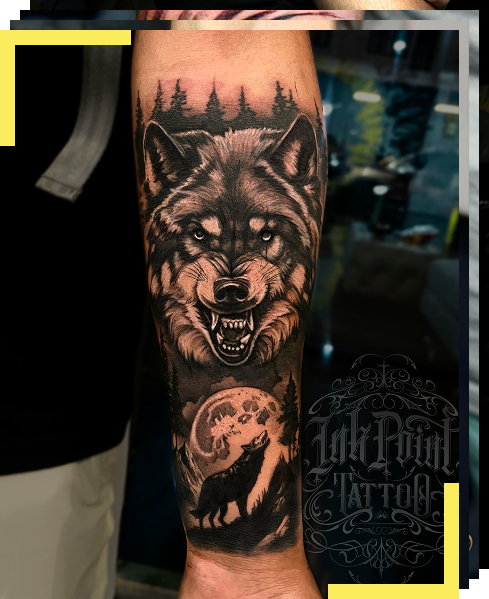
Whether someone prefers subtle symbols, intricate patterns, botanical illustrations, or large geometric compositions, linework tattoos provide incredible versatility. Their minimalist aesthetic makes them suitable for first-time tattoo enthusiasts as well as experienced collectors looking to expand their body art with sophisticated designs.
This guide explores what makes linework tattoos unique, popular design ideas, placement considerations, aftercare, and how to choose the right artist for long-lasting results.
What Is a Linework Tattoo?
A linework tattoo is created primarily using clean, consistent lines without relying heavily on shading or color. Every element of the artwork is defined through line thickness, spacing, and composition rather than tonal contrast.
Artists use precise techniques to ensure each line remains smooth, evenly saturated, and proportionate throughout the design. Because the entire tattoo depends on line quality, accuracy is essential from start to finish.
This style ranges from extremely fine, delicate illustrations to bold graphic compositions, making it one of the most adaptable tattoo techniques available today.
Why Linework Tattoos Continue to Grow in Popularity
The appeal of linework tattoos lies in their ability to communicate powerful ideas using minimal visual elements. Their clean aesthetic complements nearly every personal style while remaining timeless rather than trend-driven.
Some reasons people choose this style include:
- Elegant and refined appearance
- Suitable for both small and large designs
- Easy to personalize
- Works well with many artistic styles
- Often ages gracefully when properly executed
- Ideal for meaningful symbolic artwork
Because of their versatility, linework tattoos remain one of the most requested styles across tattoo studios worldwide.
The Art Behind Precision
Every Line Matters
Unlike heavily shaded tattoos that can disguise minor inconsistencies, linework leaves very little room for error. Even the slightest variation in depth, spacing, or angle can affect the final appearance.
Professional artists focus on:
- Consistent line thickness
- Smooth needle movement
- Balanced composition
- Proper spacing
- Accurate symmetry
- Even ink saturation
These technical skills help produce tattoos that remain visually clean for years.
Importance of Planning
Successful linework begins long before the tattoo machine starts.
Artists carefully consider:
- Body contours
- Natural muscle movement
- Skin texture
- Future aging
- Design flow
- Long-term readability
A thoughtful design process ensures the artwork complements the body’s natural shape rather than fighting against it.
Popular Linework Tattoo Designs
One of the greatest strengths of linework is its flexibility. Almost any concept can be adapted into a clean-lined composition.
Botanical Designs
Flowers, leaves, vines, and trees translate beautifully into line-based artwork. Fine details allow plants to appear graceful while maintaining a minimalist appearance.
Popular botanical choices include:
- Roses
- Lotus flowers
- Olive branches
- Ferns
- Wildflowers
- Cherry blossoms
Animals
Animal tattoos become especially striking when illustrated through detailed outlines instead of heavy shading.
Common subjects include:
- Wolves
- Lions
- Birds
- Butterflies
- Foxes
- Snakes
- Elephants
These designs often symbolize strength, freedom, wisdom, transformation, or personal growth.
Geometric Patterns
Geometric compositions combine mathematical precision with artistic creativity.
Popular ideas include:
- Sacred geometry
- Mandalas
- Symmetrical patterns
- Abstract structures
- Repeating shapes
These tattoos appeal to people who appreciate balance, harmony, and visual precision.
Nature-Inspired Artwork
Mountains, waves, forests, celestial bodies, and landscapes are frequently created using fine outlines.
Simple line compositions can capture remarkable detail while maintaining a calm and elegant aesthetic.
Symbolic Minimalism
Many people choose small tattoos representing meaningful moments or personal beliefs.
Examples include:
- Hearts
- Arrows
- Infinity symbols
- Coordinates
- Initials
- Zodiac signs
- Stars
- Moon phases
Their understated appearance makes them ideal for discreet placements.
Choosing the Right Placement
Placement significantly influences how a tattoo looks both immediately and over time.
Forearm
The forearm offers a relatively flat surface, making it ideal for clean, straight lines and detailed artwork.
Wrist
Small symbolic designs work beautifully here, although frequent movement means precision is especially important.
Upper Arm
The upper arm provides ample space for medium-sized compositions while remaining easy to conceal when desired.
Back
Large linework pieces such as mandalas, architectural illustrations, or geometric patterns benefit from the expansive canvas of the back.
Chest
Chest tattoos often carry deep personal meaning while allowing symmetrical designs to stand out beautifully.
Legs
The calf and thigh provide generous room for detailed artwork while accommod both vertical and horizontal compositions.
Does a Linework Tattoo Hurt?
Pain varies depending on:
- Individual tolerance
- Tattoo size
- Needle configuration
- Placement
- Session length
Areas with thinner skin or more nerve endings generally feel more sensitive than muscular regions.
Although discomfort is unavoidable during tattooing, many people find linework sessions manageable because they often involve less extensive shading than other tattoo styles.
Will Linework Tattoos Age Well?
A well-executed tattoo can remain attractive for many years with proper care.
Several factors influence longevity:
Artist Skill
Precise application helps prevent uneven fading or blurry lines.
Proper Placement
Areas experiencing excessive friction may show wear more quickly.
Sun Protection
Ultraviolet exposure gradually fades tattoo ink. Applying sunscreen once the tattoo has healed helps preserve clarity.
Skin Care
Healthy, moisturized skin supports better long-term appearance.
Appropriate Design Size
Very tiny details placed too closely together may gradually soften as the skin naturally changes over time.
Choosing balanced proportions allows the design to remain readable for many years.
Aftercare Tips
Proper aftercare is essential for maintaining crisp lines throughout healing.
Follow Your Artist’s Instructions
Every tattoo heals differently, so personalized guidance should always take priority.
Keep the Area Clean
Wash gently using fragrance-free soap and lukewarm water.
Moisturize Carefully
Use the recommended tattoo aftercare lotion without overapplying.
Avoid Scratching
Peeling is a normal part of healing. Picking at scabs may damage the finished tattoo.
Limit Swimming
Avoid pools, hot tubs, lakes, and oceans until the tattoo has fully healed.
Protect Against Sun Exposure
Fresh tattoos should be shielded from direct sunlight throughout the healing period.
Choosing an Experienced Artist
Because linework depends entirely on precision, selecting the right artist is one of the most important decisions in the tattoo process.
When evaluating artists, consider:
- Portfolio consistency
- Smooth, clean lines
- Experience with fine-line techniques
- Balanced compositions
- Professional hygiene standards
- Positive client reviews
- Clear consultation process
Review healed tattoo photos whenever possible, as they provide a realistic indication of long-term quality.
Common Misconceptions About Linework Tattoos
“Simple Means Easy”
Although minimalist designs may appear straightforward, executing perfectly clean lines requires exceptional technical ability.
“Small Tattoos Never Need Planning”
Even tiny tattoos require careful consideration of spacing, placement, and future aging.
“Every Artist Specializes in Linework”
Tattooing involves many specialties. An artist experienced in realism or color work may not necessarily excel at highly detailed line-based designs.
Who Is This Style Best For?
Linework tattoos are suitable for individuals who appreciate subtle elegance and timeless artwork.
They are particularly appealing for those who want:
- Minimalist aesthetics
- Symbolic personal artwork
- Detailed geometric designs
- Botanical illustrations
- Fine artistic compositions
- Tattoos that complement professional environments
- Flexible sizing options
Their adaptability makes them suitable for virtually every age group and personal style.
Final Thoughts
A thoughtfully designed linework tattoo demonstrates that remarkable artistry does not require excessive color or heavy shading. Through clean lines, balanced composition, and careful craftsmanship, this tattoo style creates meaningful artwork that remains elegant for years. Whether inspired by nature, geometry, symbolism, or personal experiences, a well-planned design can become a lasting reflection of individuality.
For those considering their next tattoo, working with experienced professionals who understand precision and artistic balance is essential. Inkpoint Tattoo Studio believes every tattoo should combine technical excellence with personal meaning, ensuring each design is created with care, attention to detail, and respect for your unique vision.
When artistry, planning, and proper aftercare come together, a beautifully executed tattoo becomes more than body art—it becomes a timeless expression of your story.
