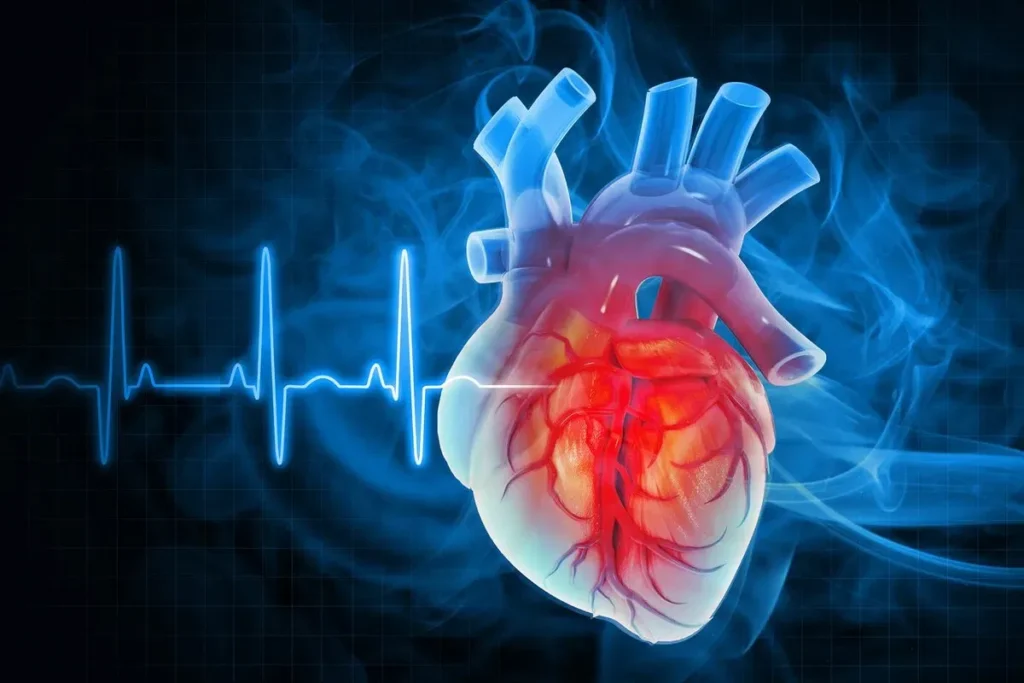
Heart disease remains one of the leading causes of death worldwide, and one of its most dangerous traits is how quietly it can develop. Arteries narrow, blood pressure creeps up, and the heart adapts to strain for years without dramatic symptoms — until the warning signs arrive all at once. The encouraging truth is that cardiac health is highly measurable and, in many cases, highly modifiable. Knowing the signals to watch for and the tests that assess your heart puts you firmly on the front foot.
Why the heart hides its problems
The heart is remarkably resilient. When one part is under strain, it compensates — working harder, adapting its rhythm, rerouting effort. This resilience is a blessing, but it also means early trouble frequently produces vague symptoms that are easy to dismiss as stress, ageing or being out of shape. By the time the signals become impossible to ignore, the underlying process has often been developing for years. That lag is exactly why proactive attention beats waiting for the body to sound an alarm, and why learning to recognise the early signs matters so much.
Warning signs worth taking seriously
No single symptom guarantees a heart problem, but several deserve attention, especially when new or combined:
- Chest discomfort — pressure, tightness or a heavy sensation, particularly during exertion, is the classic warning and should never be brushed aside.
- Breathlessness — feeling winded during activities that never troubled you before, or waking short of breath, can point to a heart struggling to keep up.
- Palpitations — a racing, fluttering or irregular heartbeat that recurs is worth investigating, even if it passes quickly.
- Unusual fatigue — persistent, unexplained tiredness with light activity is an under-recognised cardiac signal, particularly in women.
- Swelling and dizziness — swelling in the ankles or legs, or episodes of lightheadedness and fainting, can reflect circulation or rhythm issues.
Pain spreading to the arm, jaw, neck or back, or cold sweats and nausea alongside chest discomfort, are red flags that call for emergency care — not a wait-and-see approach.
The tests that assess your heart
If these signs appear, or you simply want a baseline, a handful of tests provide a clear picture — most quick, painless and non-invasive. Which of them a doctor chooses depends on your symptoms and history — sometimes a single ECG answers the question, while at other times a combination builds the fuller picture.
- Electrocardiogram (ECG) — a five-minute test recording the heart’s electrical activity through electrodes on the skin, detecting rhythm abnormalities and signs of reduced blood supply.
- Echocardiogram — an ultrasound of the heart showing its chambers, valves and pumping strength in real time, with no radiation involved.
- Treadmill (stress) test — because some problems only surface under exertion, this monitors the heart while you walk at increasing intensity, revealing issues invisible at rest.
- Holter monitoring — a portable device worn for 24 to 48 hours that captures rhythm during ordinary daily life, catching intermittent irregularities a brief ECG can miss.
Alongside these, a lipid profile and a simple blood pressure reading quantify two of the biggest modifiable risks — both inexpensive, fast, and among the most predictive numbers in all of medicine.
Who should be especially vigilant
Certain groups carry higher cardiac risk and benefit from earlier, closer attention. A family history of heart disease or sudden cardiac events, diabetes, high blood pressure, raised cholesterol, smoking, obesity and a largely sedentary lifestyle all tilt the odds. So do chronic stress and poor sleep, which quietly raise blood pressure over time. If several of these apply to you, treating heart checks as routine rather than reactive is one of the wisest health decisions you can make — and it is rarely as inconvenient as people assume. Even without symptoms, a periodic check offers something valuable in itself: peace of mind backed by real numbers rather than guesswork.
Risk factors you can actually measure
Much of cardiac risk is quantifiable — and what you can measure, you can manage. Blood pressure, cholesterol balance, blood sugar and body weight are all trackable numbers that respond to changes in diet, activity, sleep and stress. Family history and age can’t be changed, but they raise the value of monitoring the factors that can. The point isn’t to fear the numbers; it’s to know them, so that small adjustments today prevent large problems tomorrow.
Prevention is a series of small, repeatable choices
Protecting your heart rarely requires dramatic measures. Regular activity, a diet rich in whole foods and light on processed salt and sugar, not smoking, moderating alcohol, managing stress and sleeping well form the unglamorous foundation. None of these habits demands perfection; consistency matters far more than intensity. A daily walk, a few more home-cooked meals, an earlier bedtime — modest changes sustained over time reshape your risk more than occasional dramatic efforts ever will.
When to get checked
There’s no need to wait for symptoms. A baseline assessment in your thirties or forties, repeated at sensible intervals, establishes what normal looks like for you — which makes any future change far easier to spot. If you carry risk factors, earlier and more regular checks are wise. And if warning signs appear, prompt evaluation is always the right call; many cardiac conditions are far more manageable when caught early than when they finally present as an emergency.
The bottom line
Your heart works tirelessly and complains rarely, which is exactly why deliberate attention matters. Learn the warning signs, know the tests that assess cardiac health, and track the handful of numbers that predict risk. Heart disease may be common, but it is also among the most preventable and detectable of conditions — and the earlier you look, the more you can do. Treat it the way you would any irreplaceable machine you depend on daily — with regular attention, honest measurement, and small, timely maintenance.
