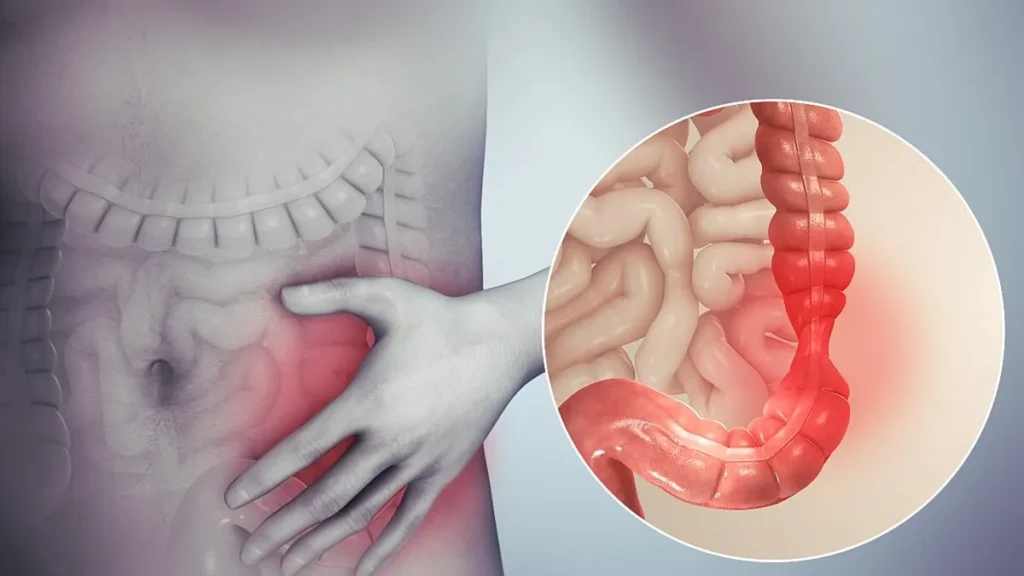
For millions of people, the digestive system seems to follow its own unpredictable rules — a stomach that cramps before an important meeting, days of bloating with no obvious cause, or a bathroom routine that swings between extremes. If this sounds familiar, you may be experiencing irritable bowel syndrome, one of the most common yet most misunderstood digestive conditions in the world. The good news is that while IBS can be frustrating, it is manageable, and understanding it is the first step toward feeling in control again.
What IBS Is — and Isn’t
Irritable bowel syndrome is a disorder of how the gut functions rather than a disease that damages it. In people with IBS, the digestive system is unusually sensitive, and the muscles of the intestine may contract too strongly or too weakly, leading to a range of uncomfortable symptoms. Importantly, IBS does not cause permanent harm to the bowel and does not increase the risk of more serious diseases. This distinction matters: IBS is real and its symptoms are genuine, but it is a problem of function, not structure. Understanding that difference can be reassuring, because it means the condition can usually be managed well without any lasting damage to the body.
Recognising the Symptoms
IBS shows up differently in different people. The most common symptoms include abdominal pain or cramping, bloating, excessive gas, and changes in bowel habits. Some people experience mainly constipation, others mainly diarrhoea, and many alternate between the two. A hallmark of IBS is that abdominal discomfort often eases after a bowel movement. Symptoms tend to come and go, flaring during certain periods and settling during others.
The Different Faces of IBS
Doctors often group IBS into subtypes based on the most prominent change in bowel habit. Some people have IBS with a tendency toward constipation, where stools are hard and infrequent. Others have IBS with a tendency toward diarrhoea, marked by loose, urgent, and frequent stools. A third group experiences a mixed pattern, alternating between the two. Knowing which pattern fits you is more than a label — it helps guide the most useful dietary and lifestyle adjustments, since what soothes a constipation-prone gut can sometimes aggravate a diarrhoea-prone one. This is also why there is no single “IBS diet” that works for everyone; the right approach depends on your particular pattern of symptoms.
What Triggers a Flare
While the exact cause of IBS is not fully understood, most people can identify things that make their symptoms worse. Common triggers include:
- Certain foods, such as fatty meals, spicy dishes, caffeine, or specific carbohydrates that ferment in the gut
- Large or irregular meals
- Periods of stress, anxiety, or poor sleep
- Hormonal changes
- A recent gut infection or a course of antibiotics
Because triggers are so individual, identifying your own is one of the most valuable things you can do. One dietary approach that has gained strong support involves temporarily reducing certain fermentable carbohydrates — often called FODMAPs — that draw water into the bowel and produce gas as they ferment. Many people find that carefully cutting back on these foods, and then reintroducing them one at a time, helps pinpoint exactly which items cause trouble. Because it can be quite restrictive, this approach is best followed with proper guidance rather than indefinitely on your own.
Managing IBS Day to Day
There is no single cure, but the right combination of everyday habits forms the foundation of effective long-term IBS management, and small, consistent adjustments often add up to real relief.
1. Keep a symptom diary. Recording what you eat, your stress levels, and your symptoms helps reveal patterns and personal triggers that are otherwise easy to miss.
2. Eat regularly and mindfully. Regular meal times, smaller portions, and eating slowly all help settle an irritable gut. Skipping meals and then overeating tends to make things worse.
3. Adjust fibre thoughtfully. Fibre helps many people, but the type matters. Soluble fibre, found in oats and many fruits and vegetables, is often gentler than the insoluble kind. Changes should be made gradually.
4. Stay hydrated and active. Drinking enough water and moving regularly both support healthy bowel function and can ease bloating and constipation.
5. Address stress directly. Because the gut and brain are so closely linked, managing stress through relaxation, adequate sleep, or regular exercise often improves symptoms as much as any dietary change.
The Mind–Gut Connection
One of the most important things to understand about IBS is the powerful relationship between the brain and the digestive system. The gut has its own dense network of nerves and is in constant communication with the brain. This is why stress and strong emotions can trigger very real physical symptoms, and why anxiety about symptoms can, in turn, make them worse. Recognising this connection is not about dismissing the condition as “all in your head” — it is about appreciating that calming the mind can genuinely calm the gut. For this reason, approaches that reduce stress are increasingly seen not as optional extras but as a central part of managing the condition well.
When to Seek Help
Although IBS itself is not dangerous, its symptoms can overlap with other conditions that need to be ruled out. You should see a doctor if you notice any warning signs that are not typical of IBS, such as:
- Blood in the stool
- Unexplained weight loss
- Symptoms that begin later in life
- Persistent, worsening pain
- Fever or signs of anaemia, such as unusual tiredness
A doctor can confirm the diagnosis, rule out other causes, and help you build a management plan suited to your particular pattern of symptoms. In some cases, a procedure such as a colonoscopy may be recommended to exclude other conditions before settling on an IBS diagnosis, which can be reassuring in itself.
The Bottom Line
Living with a sensitive gut can feel unpredictable, but IBS is far from unmanageable. By learning your personal triggers, eating regularly and mindfully, caring for your mental wellbeing, and seeking help when warning signs appear, most people find they can significantly reduce the impact IBS has on their daily lives. Your gut may have a mind of its own — but with the right knowledge and habits, you can work with it rather than against it.
