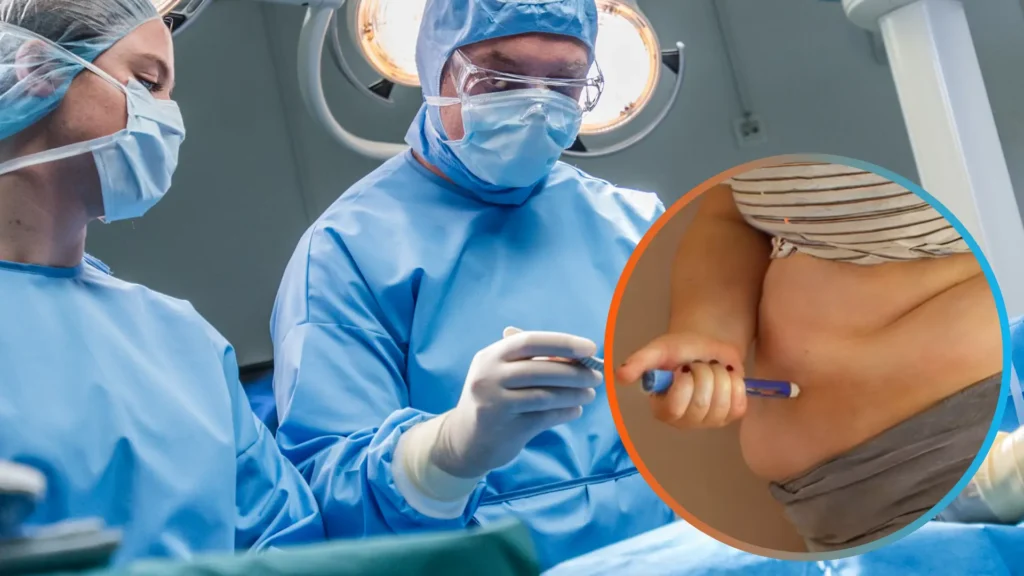
For decades, type 2 diabetes was described to patients as a progressive, lifelong condition. The expected path was medication, then more medication, then insulin, with complications arriving steadily over the years. That picture is now being rewritten. A growing body of evidence shows that certain surgical procedures originally designed for weight loss can produce dramatic and lasting improvements in blood sugar control — often within days of the operation, long before significant weight is lost. This field is known as metabolic surgery, and it represents one of the most important shifts in the management of type 2 diabetes in a generation.
What metabolic surgery actually means
Metabolic surgery refers to gastrointestinal operations performed with the specific goal of improving metabolic disease, particularly type 2 diabetes, rather than weight reduction alone. The procedures overlap heavily with bariatric surgery, but the intent and patient selection differ. The aim is to correct the hormonal and digestive signalling that drives insulin resistance.
This distinction matters because it changed how the medical community thinks about eligibility. Historically, surgery was reserved for people with very high body mass index. Today, several international diabetes organisations recognise metabolic surgery as a legitimate treatment option for people with type 2 diabetes at lower BMI thresholds, especially when blood sugar remains poorly controlled despite optimal medication.
Why the results appear so quickly
One of the most striking observations is timing. Many patients see their blood sugar normalise within days of surgery, while still in hospital and before meaningful weight loss has occurred. Some leave hospital on substantially reduced doses of their diabetes medication, or none at all.
This cannot be explained by calorie restriction alone. Research points to changes in gut hormones — signalling molecules produced in the intestine that influence insulin secretion and appetite. Rerouting or resizing parts of the digestive tract alters how and where food is sensed, which changes hormone release, improves the pancreas response and reduces insulin resistance. Shifts in bile acid circulation and the gut microbiome are also believed to play a role.
The main procedures used
Several operations are performed with metabolic goals in mind:
- Sleeve gastrectomy, which reduces the stomach to a narrow tube, limiting intake and altering hunger hormones
- Gastric bypass, which creates a small stomach pouch and reroutes a portion of the small intestine
- Mini gastric bypass, a technically simpler single-anastomosis variation of the standard bypass
- Ileal interposition and duodenojejunal bypass, procedures designed specifically to change the sequence in which food meets different segments of the intestine
The right choice depends on the individual: duration of diabetes, remaining pancreatic function, body weight, other medical conditions and personal preference all factor into the decision.
Realistic expectations
The word remission is used carefully in this field. Many patients achieve normal blood sugar without medication, and a substantial proportion maintain that state for years. However, remission is not the same as a permanent cure. Diabetes can return over time, particularly in people who had the condition for many years before surgery or who regain significant weight.
The strongest predictors of durable success tend to be a shorter duration of diabetes before surgery, better preserved insulin production and sustained lifestyle change afterwards. This is why early referral matters. Waiting until diabetes has been present for fifteen or twenty years often means less benefit than acting earlier.
Technology and precision in the operating room
These are technically demanding operations performed deep within the abdomen, and the way they are carried out has evolved considerably. Most are now done through keyhole incisions, and many centres offer robotic weight-loss surgery, which gives the surgeon magnified three-dimensional vision and instruments with a greater range of motion than the human wrist. For patients, the practical translation is usually smaller incisions, less pain and a faster return to normal life.
Patients researching their options will encounter a range of terminology, and it is worth understanding the difference between procedures aimed primarily at weight reduction and those framed as metabolic surgery for diabetes. The overlap is significant, but the evaluation process, the goals discussed beforehand and the way success is measured afterwards can differ meaningfully.
What the process involves
A responsible surgical pathway begins with a thorough assessment. This typically includes blood work to evaluate pancreatic function and nutritional status, a review of diabetes history and current medication, cardiac and respiratory screening, dietary counselling and psychological evaluation. The purpose is to establish whether surgery is genuinely appropriate and to prepare the patient for what follows.
Recovery is usually straightforward with minimally invasive techniques, often involving a hospital stay of one to two days. The dietary progression moves from liquids to soft foods to solids over several weeks. Diabetes medication is adjusted carefully, sometimes rapidly, which is why close medical supervision in the early period is essential.
Follow-up is not optional. Regular monitoring of blood sugar, vitamin B12, iron, calcium and vitamin D is standard practice, and lifelong supplementation is usually required after bypass-type procedures. Skipping these reviews is the most common reason patients run into avoidable problems years down the line.
The long view
Metabolic surgery is not a shortcut and it is not right for everyone. It carries real risks, requires lifelong nutritional attention and demands genuine commitment to follow-up. But for people whose diabetes has resisted years of medication and effort, it offers something that few other interventions can: the realistic prospect of coming off insulin, protecting kidneys, eyes and nerves from long-term damage, and reclaiming a level of health that had begun to feel out of reach.
Anyone considering this route should seek out an experienced multidisciplinary team — surgeon, endocrinologist, dietitian and physician working together — and should expect a frank discussion of both the possibilities and the limitations before making any decision.
