Learning to drive is an exciting step for a teenager, but it can also bring plenty of questions. What should a new driver learn first? How much practice is needed? What skills matter most before the road test? The right teenage driving lessons can give young drivers the instruction and practice they need to answer these questions and become safer, more prepared drivers.
Teen driver training should cover basic vehicle control, traffic rules, parking, turning, lane changes, intersections, safe decision-making, and road test skills. Regular practice with a parent can then help a teen gain more experience.
Why Is Professional Driver Training Important for Teens?
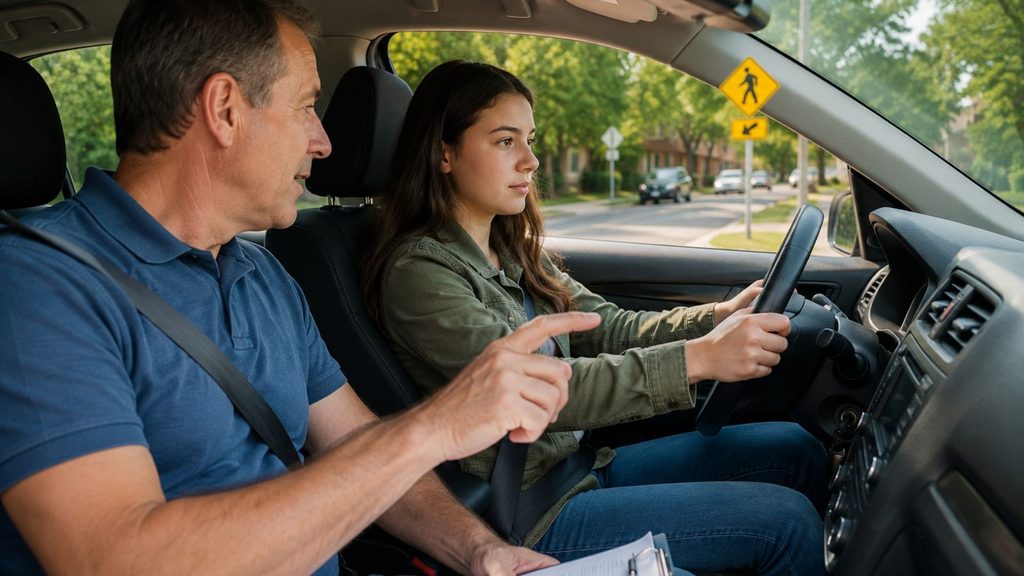
Learning from a parent is helpful, but teaching a new driver can sometimes be difficult. Parents may find it hard to explain driving habits clearly, and teens may feel more comfortable receiving instruction from a professional.
A professional instructor can provide a structured learning process. Each lesson can focus on specific skills instead of simply driving around without a clear goal.
The National Safety Council recommends starting young drivers in simple, lower-risk situations before gradually introducing more challenging driving conditions, such as busy roads, nighttime driving, and poor weather.
What Should a Teen Learn First?
New drivers should begin with basic vehicle control. Before dealing with busy traffic, a teen should feel comfortable controlling the car.
Early lessons may cover:
- Starting and stopping smoothly
- Steering and maintaining lane position
- Using mirrors
- Making safe turns
- Braking correctly
- Following traffic signs and signals
- Checking surroundings
- Understanding basic road rules
These skills create the foundation for more advanced driving. Amar Driving School’s teen program focuses on helping students develop practical driving skills through structured instruction.
How Can Teens Improve Road Awareness?
Good driving is not only about controlling the steering wheel and pedals. Teens also need to understand what is happening around them.
An instructor can teach students to look ahead, check mirrors, watch intersections, identify possible hazards, and make decisions before a situation becomes dangerous.
For example, a teen should learn to reduce speed when approaching a busy intersection and look for pedestrians, cyclists, and other vehicles. Before changing lanes, the driver should check mirrors and blind spots instead of moving immediately.
Regular practice helps these actions become natural parts of driving.
Which Skills Should Teens Practice Before the Road Test?
Road test preparation should start well before test day. Waiting until the last few lessons can make it harder to correct mistakes.
Parking
Parking requires good steering control and awareness of the vehicle’s position. Teens should practice parking slowly and carefully while checking their surroundings.
Three-Point Turns
Students should learn how to complete a three-point turn safely while checking traffic and maintaining control of the vehicle.
Lane Changes
A proper lane change involves signaling, checking mirrors, checking blind spots, and moving only when it is safe.
Intersections
Intersections require careful attention. Teens should practice stopping correctly, checking traffic, following signs, and making safe turns.
Reversing
Backing up requires patience and awareness. Students should practice using mirrors and checking around the vehicle before and during the maneuver.
These skills can also help students feel more prepared when they take their New Jersey road test.
What Is the Role of Drivers Education in New Jersey?
Many parents search for drivers education in new jersey when their teenager is ready to begin the licensing process. Classroom learning and behind-the-wheel instruction serve different purposes.
Driver education can help teens understand traffic rules, signs, safe driving practices, and licensing information. Practical lessons allow students to apply that knowledge while actually operating a vehicle.
Families searching for drivers education in new brunswick should also look for training that includes practical driving experience, not just classroom information.
Parents should always check current New Jersey requirements because licensing rules and procedures may change.
How Can Parents Help Their Teen Practice?
Professional instruction works best when combined with supervised practice at home.
After a driving lesson, parents can help their teen practice the same skills. Start in familiar, quieter areas and slowly introduce more traffic and different road conditions.
Parents can help teens practice:
- Turning and stopping
- Parking
- Lane changes
- Following traffic signals
- Driving through intersections
- Maintaining a safe speed
- Checking mirrors and blind spots
The National Safety Council recommends increasing driving difficulty gradually as a young driver’s skills improve.
Parents should also set clear rules about distractions, passengers, phone use, and other situations that can affect safe driving.
Why Is One-on-One Instruction Helpful?
Every teen learns at a different pace. One student may feel comfortable with traffic but struggle with parking. Another may understand the rules but feel nervous when driving around other vehicles.
Individual instruction gives the instructor more time to focus on the student’s specific needs.
Amar Driving School provides teen driver training that includes practical skills, road test preparation, and behind-the-wheel instruction. Its website states that the school has more than 20 years of experience, has trained over 10,000 students, and provided more than 100,000 hours of driving instruction.
When Should Teens Start Road Test Preparation?
Road test preparation should not be saved for the final day or two before the exam.
Once a student becomes comfortable with basic vehicle control, they can begin practicing skills that may be important during the road test. These include parking, turns, lane changes, stopping, reversing, and proper observation.
As the test gets closer, focused practice can help identify areas that still need improvement.
A final review can also help the student understand what to expect and approach the test with better preparation.
What Makes a Teen a Safer Driver?
Passing the road test is important, but it should not be the only goal.
A good young driver should understand how to:
- Stay focused on the road
- Follow traffic rules
- Maintain a safe speed
- Watch for hazards
- Check mirrors regularly
- Avoid distractions
- Make decisions without rushing
- Adjust to changing traffic conditions
These habits can help teens handle everyday driving after they receive their license.
Helping Your Teen Prepare for the Road
Learning to drive takes time, practice, and patience. Professional instruction can give teens a clear starting point, while supervised practice gives them more opportunities to use their skills.
Parents and instructors can work together by setting realistic goals and giving the teen enough time to improve. With the right training, a new driver can develop better vehicle control, stronger road awareness, and greater readiness for the New Jersey road test.
Start With the Right Driving Program
Choosing the right teenage driving lessons can give your teen a strong foundation for learning safe driving skills. Amar Driving School offers teen driving programs, behind-the-wheel instruction, and road test preparation for new drivers in Princeton and surrounding New Jersey communities. Parents can learn more about the program and choose training that fits their teen’s needs.
