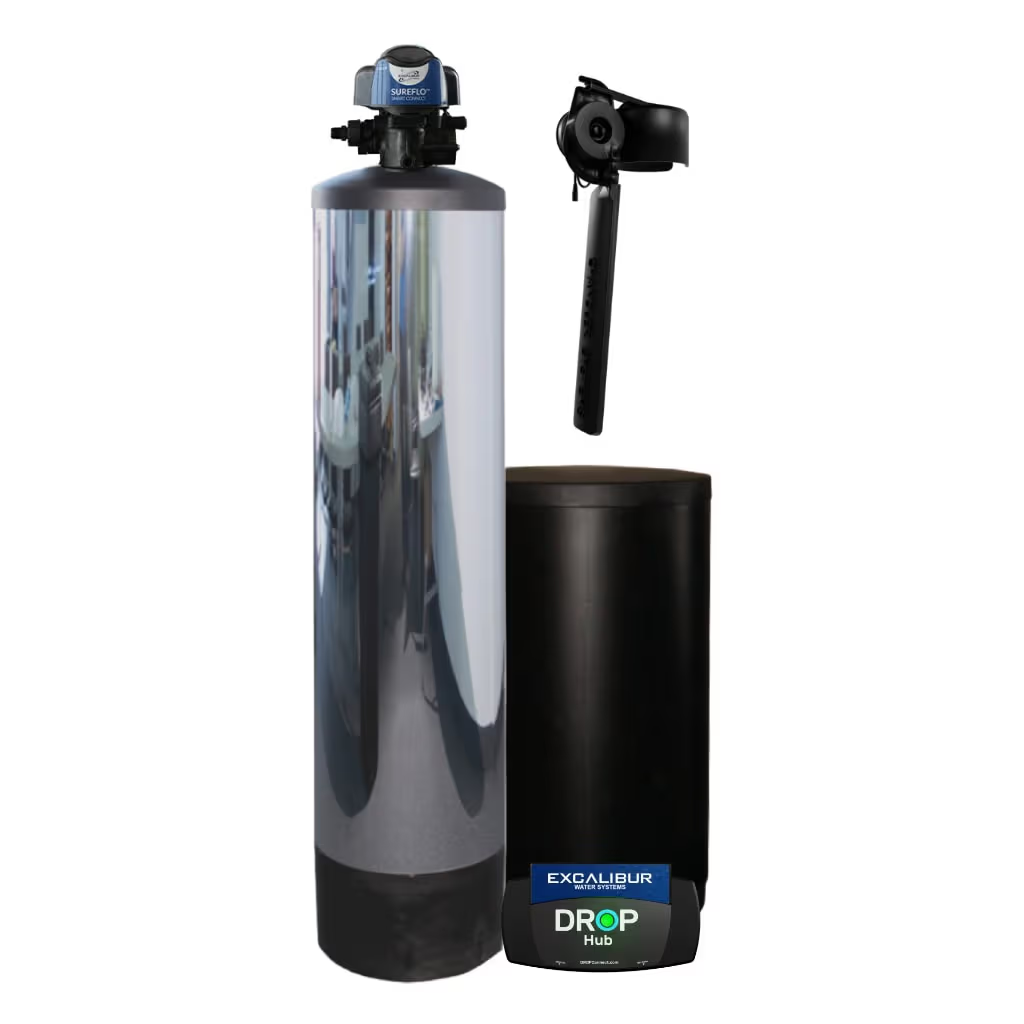
Clean, reliable water is essential for every household. From drinking and cooking to bathing and cleaning, water plays a role in nearly every daily activity. While municipal water treatment facilities work hard to provide safe water, many homeowners still explore additional solutions to improve water quality at home. This is where a water home filtration system can make a difference.
With so many options available, choosing the right system can feel overwhelming. Different filtration technologies are designed to address different water concerns, and what works for one household may not be the best choice for another. Understanding your needs and learning how filtration systems work can help you make a confident and informed decision.
Why Home Water Filtration Matters
Water can contain various substances that affect its appearance, taste, odor, and overall quality. Depending on your location and water source, you may notice concerns such as sediment, chlorine taste, hard water minerals, or other impurities.
A properly selected water filtration home system can help improve water quality by reducing unwanted contaminants before they reach your taps. The result may be cleaner water for drinking, cooking, and everyday household use.
Beyond improving water quality, filtration systems can also contribute to a more enjoyable experience when using water throughout the home.
Start With a Water Quality Assessment
Before selecting a filtration system, it is important to understand what is actually in your water.
Many homeowners make the mistake of purchasing equipment without first identifying their specific water concerns. Since water quality varies from one area to another, the best solution begins with accurate information.
A water assessment can help identify factors such as:
- Sediment levels
- Chlorine content
- Hard water minerals
- Taste and odor concerns
- Other water quality issues
Knowing what needs to be addressed allows you to choose a filtration system designed for your household’s unique requirements.
Understand the Different Types of Water Filtration Systems
Not all filtration systems work the same way. Different technologies are designed to target different contaminants.
Sediment Filtration Systems
Sediment filters are often the first stage of treatment. They help remove visible particles such as dirt, sand, rust, and debris from the water supply.
These filters are particularly useful in protecting plumbing fixtures and other treatment equipment from larger particles.
Activated Carbon Filters
Activated carbon is one of the most common filtration materials used in residential systems.
Carbon filters can help reduce:
- Chlorine
- Certain chemicals
- Unpleasant tastes
- Unwanted odors
Many homeowners choose carbon filtration because it often improves the overall taste and smell of drinking water.
Reverse Osmosis Systems
Reverse osmosis is a more advanced treatment technology commonly used for drinking water applications.
These systems use a semipermeable membrane to reduce a wide range of dissolved impurities. Reverse osmosis units are often installed under kitchen sinks and may include multiple filtration stages.
Whole-Home Water Filtration Systems
A whole-home system treats water as it enters the house, providing filtration throughout the entire plumbing network.
This type of water home filtration system can benefit every faucet, shower, appliance, and fixture in the home.
Determine Your Household Water Usage
The size of your household plays an important role when selecting a filtration system.
Questions to consider include:
- How many people live in the home?
- How much water is used each day?
- Are there multiple bathrooms?
- Do you want filtered water throughout the house or only at specific locations?
A system that is too small may struggle to keep up with demand, while an oversized system may provide unnecessary capacity.
Choosing a properly sized system helps ensure efficient operation and consistent water quality.
Decide Between Point-of-Use and Whole-Home Systems
One of the most important decisions is determining where treatment is needed.
Point-of-Use Systems
These systems treat water at a specific location, such as a kitchen sink.
Advantages include:
- Targeted treatment
- Lower initial cost
- Convenient drinking water improvement
Whole-Home Systems
Whole-home systems treat water before it enters household plumbing.
Advantages include:
- Filtered water throughout the home
- Protection for appliances and fixtures
- Consistent water quality at every tap
The right choice depends on your goals and budget.
Consider Maintenance Requirements
Every filtration system requires maintenance to continue performing effectively.
Before making a purchase, consider:
- Filter replacement schedules
- Maintenance costs
- Service requirements
- System accessibility
A system that is easy to maintain is more likely to deliver long-term performance.
Regular maintenance helps ensure that filtration equipment continues operating as intended.
Evaluate Long-Term Value
While price is often a major factor, focusing solely on upfront cost may not provide the best long-term results.
Instead, consider overall value, including:
- System lifespan
- Water treatment performance
- Maintenance expenses
- Warranty coverage
- Professional support
A quality water filtration home system can provide years of reliable service when properly selected and maintained.
Look for Professional Guidance
Water treatment is not always a one-size-fits-all solution.
Professional water specialists can help:
- Analyze water quality
- Recommend appropriate equipment
- Explain treatment options
- Ensure proper installation
- Provide ongoing support
Expert guidance often helps homeowners avoid investing in systems that may not fully address their water concerns.
Common Mistakes to Avoid
When selecting a water home filtration system, avoid these common mistakes:
Choosing a System Without Testing Water
Without understanding your water quality, it is difficult to select the most effective treatment solution.
Focusing Only on Price
The least expensive system may not provide the level of treatment your household requires.
Ignoring Maintenance Requirements
Every filtration system requires upkeep. Be sure you understand ongoing maintenance responsibilities before making a purchase.
Buying More Treatment Than Necessary
Some homeowners invest in complex systems that address issues they do not actually have. Water testing helps prevent unnecessary expenses.
Overlooking Professional Installation
Proper installation plays an important role in system performance and reliability.
Benefits of Choosing the Right Filtration System
Selecting the right system can provide several benefits:
- Improved water quality
- Better tasting drinking water
- Reduced unwanted odors
- Cleaner water throughout the home
- Protection for plumbing fixtures
- Enhanced confidence in household water
Because every home is different, the ideal solution is one that addresses your specific water quality concerns.
Frequently Asked Questions
What is a water home filtration system?
A water home filtration system is designed to reduce contaminants and improve water quality before the water is used for drinking, cooking, bathing, and other household activities.
How do I know which filtration system is right for my home?
The best system depends on your water quality, household size, and treatment goals. Professional water testing can help identify the most suitable option.
Are whole-home filtration systems better than under-sink systems?
Neither option is automatically better. Whole-home systems treat all household water, while under-sink systems focus on a specific location such as the kitchen.
How often should filters be replaced?
Replacement schedules vary by system type, water quality, and usage. Manufacturers typically provide recommended maintenance intervals.
Can a water filtration system improve drinking water taste?
Yes. Many filtration systems, especially activated carbon filters, help reduce substances that affect water taste and odor, resulting in a more pleasant drinking experience.
