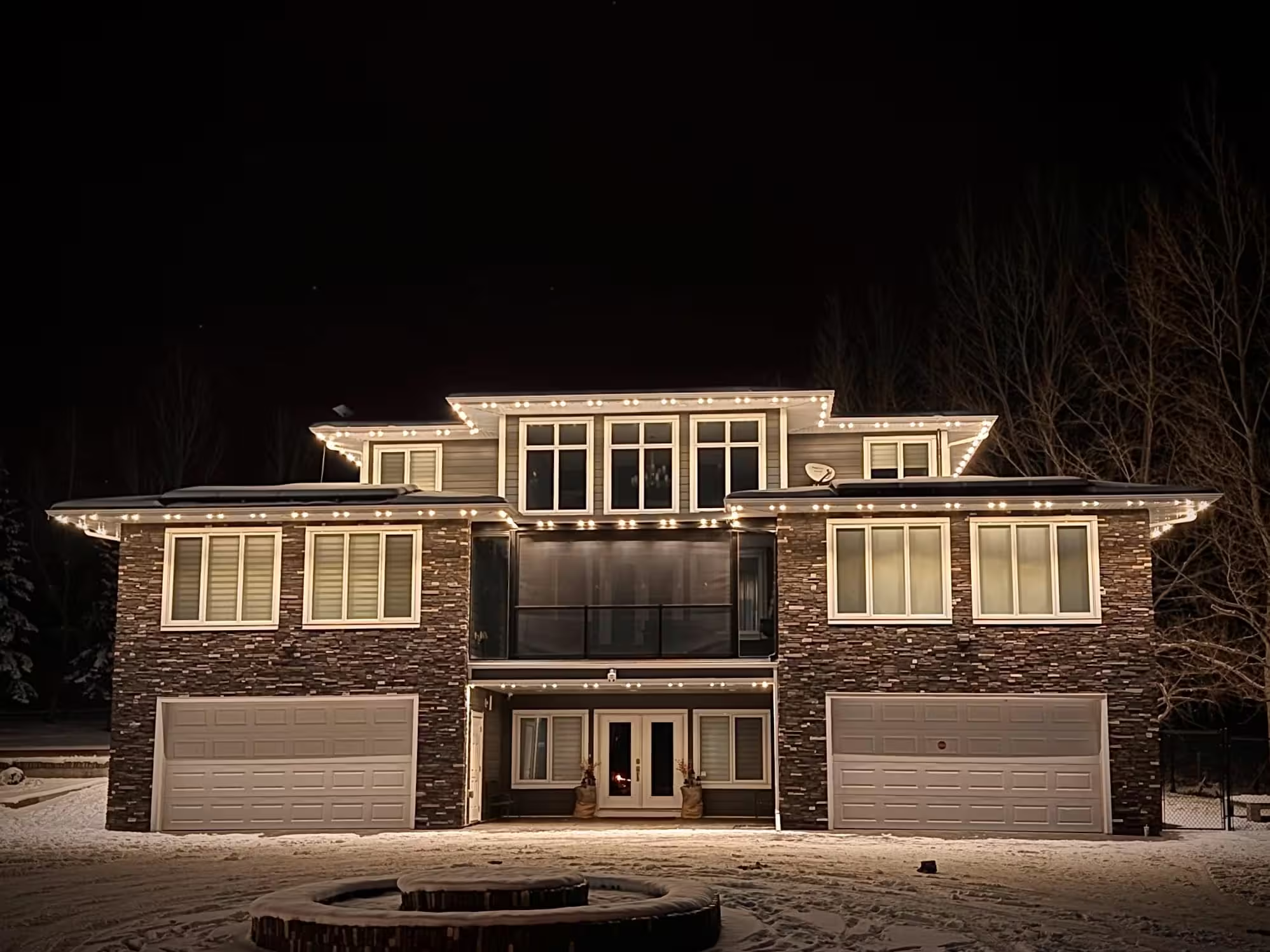
The right lighting can change the way your home looks and feels without requiring a major renovation. A room with the same furniture, wall colour, and flooring can feel completely different when the lighting is changed. This is why many Calgary homeowners are paying more attention to ambience lighting when planning their interiors.
Ambience lighting in Calgary is not simply about making a room brighter. It is about creating a comfortable level of light that suits the space, the time of day, and the way you use your home. With the right combination of fixtures and light levels, you can make a living room feel more relaxing, a bedroom feel calmer, and an entryway feel more welcoming.
What Is Ambience Lighting?
Ambience lighting, also called ambient lighting, is the general layer of illumination in a room. It provides enough light to move around comfortably and creates the overall mood of the space.
Unlike task lighting, which focuses on a particular activity, or accent lighting, which highlights a specific feature, ambient lighting is designed to spread light more evenly.
Common sources include:
- Ceiling fixtures
- Recessed lights
- Pendant lights
- Chandeliers
- Wall-mounted fixtures
- Floor and table lamps
- Dimmable LED fixtures
A good lighting plan often combines several of these options rather than relying on one bright ceiling fixture.
Why Ambience Lighting Matters in Calgary Homes
Calgary experiences significant changes in daylight throughout the year. During summer, homes can receive plenty of natural light in the evening. In winter, shorter days mean interior lighting becomes much more important.
Well-planned ambient interior lighting can help make your home feel comfortable when natural daylight is limited. Instead of filling a room with harsh overhead light, you can use softer layers that create a more balanced atmosphere.
Lighting can also complement the interior features of your home. Wood flooring, textured walls, artwork, cabinets, furniture, and architectural details can all look different depending on where and how light is placed.
Create a Comfortable Living Room
The living room is one of the easiest places to experiment with ambience lighting. It is usually used for several activities, including relaxing, watching television, reading, and spending time with family.
A single ceiling fixture may provide enough general illumination, but adding floor lamps, table lamps, wall lights, or recessed fixtures can make the room feel more layered.
For a relaxed atmosphere, consider warm-toned lighting and dimmable fixtures. You can use brighter illumination during the day and reduce the brightness in the evening.
If your living room has artwork or architectural features you want to emphasize, small accent lights can be added without making the entire room brighter.
Make the Bedroom More Relaxing
Bedrooms generally benefit from softer lighting. Bright overhead fixtures can be useful when cleaning or getting dressed, but they may not create the relaxing atmosphere you want before bedtime.
Consider combining a central ceiling fixture with bedside lamps or wall-mounted lights. Dimmable options give you more control over brightness.
Warm ambient lighting can make bedrooms feel comfortable and peaceful. Choosing fixtures with simple designs can also help maintain a calm appearance rather than making the room feel visually busy.
Brighten the Kitchen Without Overdoing It
Kitchens need good visibility, but that does not mean every light needs to be extremely bright.
Ambient lighting can provide general illumination, while task lighting can be directed toward countertops, sinks, and cooking areas. Under-cabinet lights are especially useful because they illuminate work surfaces without requiring stronger overhead lighting.
Pendant fixtures over an island can provide both function and style. Their design should complement the cabinets, countertops, and overall interior.
This layered approach makes ambient lighting for home spaces more practical because each type of light has a clear purpose.
Add Warmth to Hallways and Entryways
Hallways and entryways are sometimes overlooked when homeowners plan their lighting. However, these spaces connect different areas of the home and can influence the first impression visitors receive.
A pendant or ceiling fixture can provide general illumination in an entryway. Wall sconces or decorative lamps can add another layer of light.
For a narrow hallway, recessed fixtures can offer an uncluttered appearance. You can also use accent lighting to highlight artwork, photographs, or a feature wall.
The goal is to make these areas feel connected to the rest of your home rather than treating them as purely functional spaces.
Choose the Right Colour Temperature
Colour temperature plays an important role in ambience lighting.
Warm white light is often suitable for living rooms, bedrooms, dining areas, and other spaces where comfort is a priority. Neutral white can work well in kitchens, home offices, and areas where you want a cleaner appearance.
There is no single colour temperature that works perfectly for every room. What matters is how the lighting works with your wall colours, flooring, furniture, and other fixtures.
If several connected rooms are visible at the same time, keeping the lighting tones reasonably consistent can create a more cohesive appearance.
Use Dimmers to Change the Mood
Dimmers are one of the simplest ways to make your lighting more flexible.
Instead of having a light either completely on or completely off, you can adjust the brightness according to your needs. A higher setting may be useful while cleaning or working, while a lower setting can create a softer atmosphere during dinner or a quiet evening.
Dimmers are particularly useful for ambient interior lighting because ambient fixtures often remain part of the room’s overall atmosphere throughout the day.
Consider LED Lighting
LED lighting is a popular choice for modern homes because LED fixtures are available in many styles, brightness levels, and colour temperatures.
LED bulbs and fixtures can be used in recessed lights, pendants, sconces, lamps, and other indoor applications. Their versatility makes them suitable for creating different lighting layers throughout a home.
When choosing LED lighting, do not focus only on brightness. Look at colour temperature, fixture design, dimming compatibility, and how the light will interact with the rest of the room.
Think About the Whole Home
One of the biggest mistakes homeowners can make is choosing lighting for each room without considering how the spaces connect.
A warm and comfortable living room may look out of place next to a hallway filled with very cool, bright light. Similarly, a dramatic dining room fixture may not work well if it clashes with the surrounding lighting.
A whole-home approach can create a smoother transition between rooms. Consider the entrance, hallway, kitchen, living room, dining area, bedrooms, and other frequently used spaces as parts of one overall lighting plan.
When to Consider Professional Lighting Help
Some lighting projects are straightforward, while others require more planning. If you are changing multiple fixtures, adding recessed lighting, installing dimmers, or electrical connections, professional assistance can help ensure the work is planned and installed properly.
For homeowners looking for ambience lighting in Calgary, a lighting professional can also help evaluate the room layout, ceiling height, existing fixtures, natural light, and desired atmosphere before recommending solutions.
This can be especially useful when you want your lighting to look intentional rather than like a collection of unrelated fixtures.
Frequently Asked Questions
What is the difference between ambience lighting and ambient lighting?
They generally refer to the same concept. Both describe the main layer of general lighting that illuminates a room and helps establish its overall atmosphere.
What is the best ambience lighting for a living room?
A combination of ceiling fixtures, recessed lights, floor lamps, table lamps, or wall sconces can work well. Dimmable warm lighting is a popular choice for creating a comfortable living room atmosphere.
Is warm light better for home ambience?
Warm light is often preferred in relaxing areas such as living rooms and bedrooms because it creates a softer, more inviting appearance. The ideal choice depends on the room and existing décor.
Can LED lights be used for ambient interior lighting?
Yes. LED fixtures are available in many brightness levels, colour temperatures, and designs, making them suitable for ambient, task, and accent lighting.
How can I improve ambience lighting in my Calgary home?
Start by identifying areas that feel too dark or overly bright. Then consider adding lighting layers, using dimmers, selecting suitable colour temperatures, and choosing fixtures that complement your home’s interior.
Should every room use the same lighting?
Not necessarily. Different rooms have different purposes. However, using complementary lighting styles and colour temperatures can help create a consistent look throughout the home.
