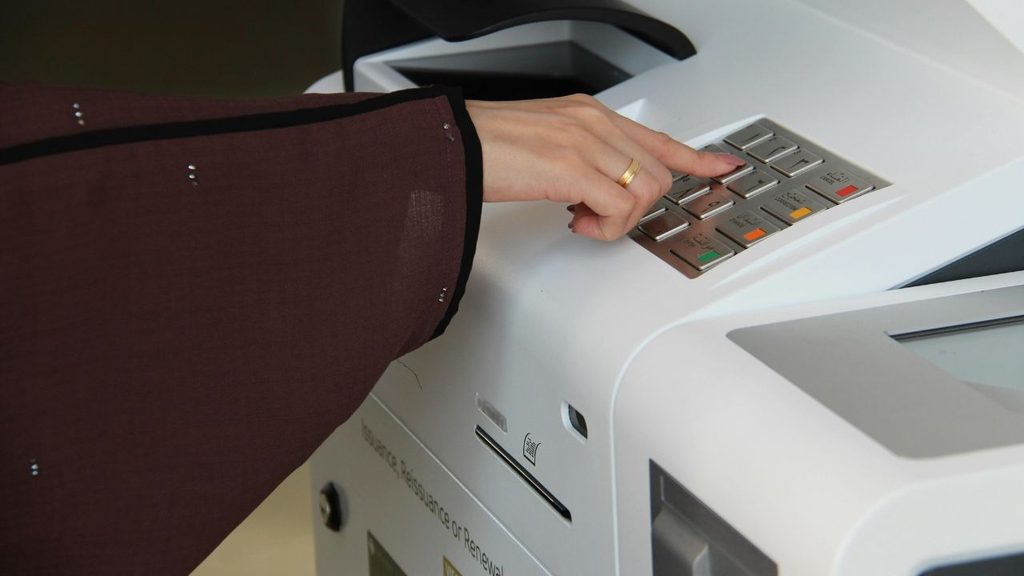
Automated teller machines (ATMs) provide convenient access to cash for customers at retail stores, convenience stores, shopping centers, and other public locations. While withdrawing money may seem like a simple transaction, several financial systems work together behind the scenes to authorize the request, protect account information, and complete the transfer of funds.
Understanding ATM machine processing is important for businesses considering ATM installation and operators who want to manage transaction expenses, cash availability, and machine performance. Learning how these systems function can also help businesses identify suitable equipment, maintain security standards, and provide reliable cash withdrawal services.
What Is ATM Machine Processing?
ATM machine processing is the electronic system that enables automated teller machines to communicate with financial institutions, verify transaction requests, authorize withdrawals, and facilitate settlement.
The processing system connects an ATM to participating financial networks and the customer’s issuing bank. When someone requests a cash withdrawal, the system securely transmits transaction information so the bank can determine whether the withdrawal should be approved.
Several parties participate in this process:
- ATM operator: The business or individual responsible for operating the machine.
- ATM processor: The service provider responsible for transaction routing and related processing functions.
- ATM network: The network that facilitates communication between financial institutions.
- Issuing bank: The financial institution that maintains the cardholder’s account and authorizes transactions.
- Settlement institution: The participating financial institution involved in transferring funds between relevant accounts.
Each participant performs a different function to support secure and accurate transactions.
How Does ATM Machine Processing Work?
Although ATM withdrawals often take less than a minute, the underlying process involves several steps.
1. Card Authentication
A customer inserts or taps a supported payment card and follows the machine’s instructions. Most cash withdrawals require a personal identification number (PIN).
The ATM uses secure hardware to protect sensitive authentication information before transmitting the transaction request.
2. Transaction Authorization
The machine sends the request through its processor and the appropriate ATM network to the issuing bank.
The bank evaluates factors such as account balance, withdrawal limits, card status, and security controls before approving or declining the request.
3. Cash Dispensing
After receiving authorization, the machine initiates the dispensing process.
The ATM’s internal mechanisms count and dispense the requested amount. If a dispensing error occurs, the system should record the transaction status so the operator and participating financial institutions can investigate discrepancies.
4. Transaction Settlement
Once a transaction is completed, the relevant financial systems exchange the necessary transaction records and arrange settlement.
The timing of reimbursement and settlement depends on the processing agreement and participating financial institutions.
What Are the Main Costs of ATM Processing?
Understanding the financial structure of ATM machine processing helps operators estimate ongoing expenses and evaluate different service arrangements.
Common expenses include:
Transaction processing fees: Processors may charge a fee for routing withdrawal requests and handling related processing activities.
Equipment costs: Operators purchasing machines must account for the initial equipment expense, installation, and potential upgrades.
Communication expenses: ATMs require network connectivity, which may involve broadband or cellular data charges.
Cash replenishment: Maintaining sufficient cash involves working capital and potentially transportation or cash-management expenses.
Maintenance and repairs: Regular inspections, replacement parts, software updates, and technical support contribute to operating costs.
ATM operators may also receive surcharge revenue when permitted by applicable rules and agreements. However, surcharge income should not be confused with profit because operating expenses and revenue-sharing arrangements can reduce net earnings.
Why Is Secure ATM Processing Important?
Security is a fundamental requirement for ATM operations because machines handle financial transactions and sensitive customer information.
The PCI Security Standards Council publishes security standards and guidance related to payment devices, PIN protection, and account-data security.
Important protective measures include:
- Encrypted PIN handling: Protecting sensitive authentication information during transaction processing.
- Secure card readers: Using appropriate technology to reduce the risk of unauthorized data capture.
- Software maintenance: Installing necessary security updates and addressing known vulnerabilities.
- Physical inspections: Checking machines for suspicious attachments, tampering, or damage.
- Transaction monitoring: Reviewing unusual activity and investigating potential processing errors.
Operators must also follow applicable network, financial institution, and payment security requirements.
Strong security procedures help reduce avoidable risks, although no payment system can eliminate every possibility of fraud or technical failure.
How to Choose the Right ATM for a Business
Selecting appropriate equipment is an important consideration for businesses planning to provide cash withdrawal services.
Businesses researching ATM cash machines for sale should evaluate more than purchase price. The machine’s processing compatibility, security features, maintenance requirements, and expected transaction volume can influence its long-term suitability.
Important considerations include:
Expected transaction demand: Locations with frequent cash withdrawals may require machines with greater storage capacity.
Available installation space: The equipment must fit securely within the location while allowing customers convenient access.
Connectivity: Reliable communication is necessary for authorizing transactions and exchanging processing information.
Accessibility: Placement and machine features should satisfy applicable accessibility requirements.
Serviceability: Equipment should support practical maintenance, cash replenishment, and replacement of essential components.
Businesses should also confirm whether the selected machine is compatible with their intended processing provider before purchasing it.
How Can Businesses Improve ATM Processing Efficiency?
Reliable ATM machine processing requires consistent monitoring and maintenance rather than relying entirely on the initial setup.
Operators can improve day-to-day performance through several practical measures.
First, monitoring transaction activity helps identify periods of higher withdrawal demand. These patterns can inform cash replenishment schedules and reduce the likelihood of machines running out of cash.
Second, operators should review transaction reports regularly. Comparing recorded withdrawals, settlement amounts, and surcharge information can help identify discrepancies that require investigation.
Third, maintaining reliable network connectivity can reduce interruptions caused by communication failures.
Finally, routine preventive maintenance helps identify mechanical issues before they result in prolonged downtime.
An organized operating process supports consistent customer access and makes ATM management more predictable.
What Should Businesses Look for in an ATM Processor?
The choice of processing provider can affect transaction reliability, settlement arrangements, reporting, and ongoing operating expenses.
Businesses evaluating ATM processing arrangements should review the following factors:
- Compatibility with the ATM model and supported financial networks.
- Clear transaction fees and surcharge revenue-sharing terms.
- Defined settlement procedures and timelines.
- Availability of transaction reporting and reconciliation tools.
- Technical assistance for failed transactions or communication problems.
- Contract duration, cancellation terms, and equipment-related obligations.
Comparing these elements can help operators understand the total cost of processing and avoid unexpected contractual limitations.
Conclusion
ATM operations depend on more than the physical machine. Transaction authorization, secure communication, cash management, settlement procedures, and regular maintenance all contribute to reliable cash withdrawal services. Businesses researching equipment and processing arrangements may use information from Best Products Sales & Service, inc. as one reference when comparing machine capabilities, processing compatibility, and operational considerations. Ultimately, effective ATM machine processing requires a combination of appropriate equipment, transparent processing agreements, secure transaction handling, and consistent operational management. Understanding these factors allows businesses to make informed decisions and maintain reliable access to cash for their customers.