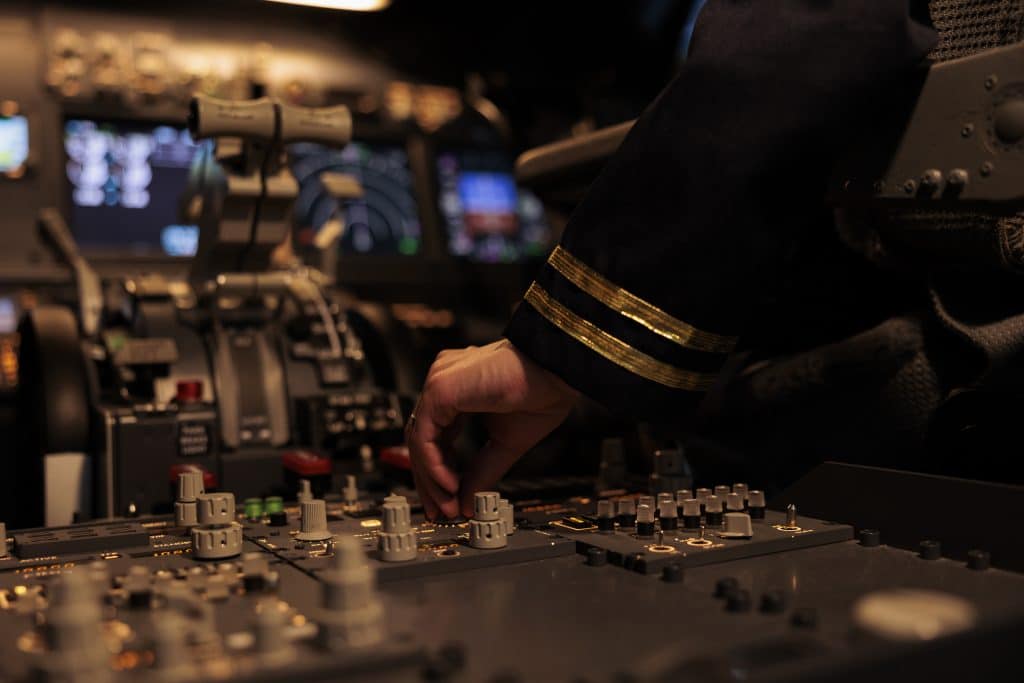
Becoming an airline captain in Australia requires years of training, practical experience, and professional commitment. The Airline Transport Pilot Licence (ATPL) is the highest pilot licence issued by the Civil Aviation Safety Authority (CASA) and is an essential qualification for pilots aspiring to command commercial aircraft. Understanding the requirements for ATPL Australia helps aspiring captains prepare for every stage of their career, from meeting licensing standards to gaining the experience needed for airline command.
What Is an ATPL?
An Airline Transport Pilot Licence (ATPL) is the highest level of certification for civilian pilots. It authorises qualified pilots to act as the pilot in command of multi-crew commercial aircraft, provided they also meet airline and operational requirements. Compared with a Commercial Pilot Licence (CPL), an ATPL reflects a higher level of technical knowledge, operational competence, and flight experience. It is the qualification most airlines expect their captains to hold before taking command of scheduled commercial flights.
ATPL Australia Eligibility Requirements
Meeting CASA’s eligibility criteria is an important step towards obtaining an ATPL. Applicants must satisfy several licensing and medical requirements before they can qualify. These include:
- Class 1 Medical Certificate: Applicants must hold a valid CASA Class 1 Medical Certificate to demonstrate they meet the required medical standards.
- English Language Proficiency: Pilots must meet CASA’s English language requirements to communicate clearly during flight operations.
- ATPL Theory Examinations: Candidates must pass examinations covering subjects such as navigation, meteorology, aviation law, aircraft systems, and flight planning.
- Commercial Pilot Licence (CPL): Applicants must hold a valid Commercial Pilot Licence or an equivalent qualification recognised by CASA before applying for an ATPL.
Meeting these requirements ensures pilots have the knowledge and professional standards expected for senior airline operations.
Flight Experience Needed Before Obtaining an ATPL
In addition to meeting the eligibility requirements, pilots must build substantial flying experience before qualifying for an ATPL. The required experience generally includes:
- Total Flight Hours: Applicants must complete the minimum aeronautical experience required by CASA before applying for an ATPL.
- Pilot-in-Command Experience: A prescribed number of hours must be flown as the pilot in command to demonstrate leadership and decision-making ability.
- Instrument and Night Flying: Pilots need experience operating under instrument flight rules and during night operations.
- Cross-country Flying: Long-distance flight experience helps develop planning, navigation, and operational skills.
This practical experience prepares pilots to manage commercial flights safely and confidently under different operating conditions.
Career Path From First Officer to Captain
Most pilots begin by earning a Private Pilot Licence before progressing to a Commercial Pilot Licence and building flight hours through professional roles. Many then join airlines as first officers, gaining practical experience while working alongside experienced captains in commercial operations.
Career progression includes completing aircraft type ratings, recurrent training, and regular competency assessments while maintaining a strong safety record. Although helicopter pilot training offers another aviation pathway, it follows separate licensing requirements and does not replace the qualifications required for fixed-wing airline command.
Conclusion
Achieving an ATPL requires dedication, technical knowledge, and extensive flight experience. Meeting CASA’s licensing standards, completing the required examinations, and building practical flying skills all contribute to becoming a capable airline captain. By understanding the requirements for ATPL Australia, aspiring pilots can plan their training effectively and work steadily towards a successful career in commercial aviation with confidence and professionalism.
