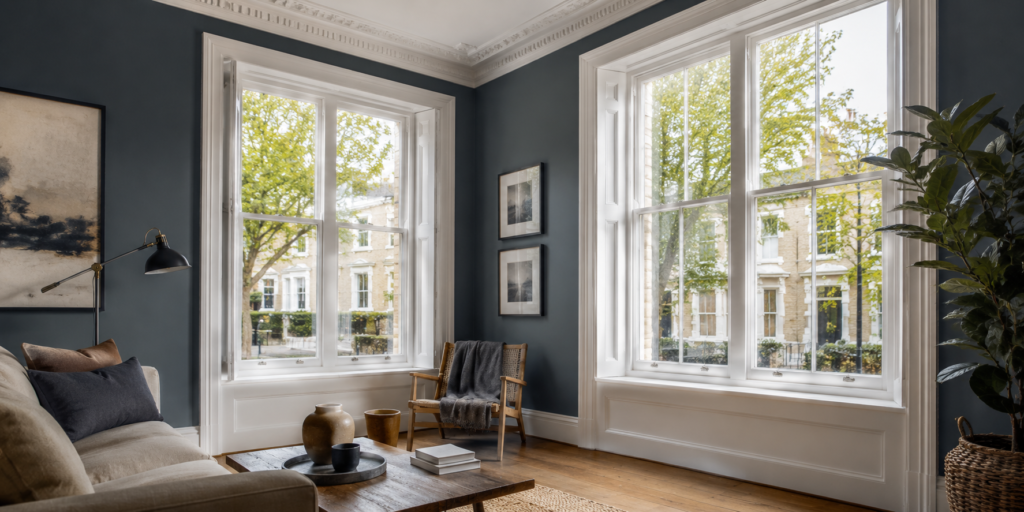
Traditional timber windows define the architectural soul of period homes. From grand Georgian townhouses to ornate Victorian terraces and symmetrical Edwardian villas, sliding box sash windows provide an unmistakable elegance that modern plastic replacements simply cannot replicate.
Maintaining these iconic architectural features requires specialised care, precise joinery, and a deep understanding of period property preservation. Over decades of exposure to timber contraction, seasonal moisture, and settling brickwork, timber windows often suffer from draughts, rattling sashes, sticking frames, and decaying timber sills.
Restoring, double glazing, and properly maintaining Sash Windows in North London allows homeowners to dramatically boost thermal efficiency, eliminate unwanted street noise, and preserve authentic character while adding significant market value to their period properties.
Architectural Heritage of Sash Windows Across Historic Districts
The architectural landscape of historical neighbourhoods owes much of its visual charm to period timber windows. During the Georgian era, sliding sashes featured multi pane layouts such as six over six configurations supported by delicate glazing bars, reflecting the glass manufacturing limits of the eighteenth century. As glassmaking technology advanced in the Victorian period, larger single panes with sturdier decorative sash horns became the standard style. By the Edwardian era, architects combined multi pane upper sashes with large single pane lower sashes to maximize natural interior lighting.
Preserving these distinct architectural styles demands meticulous attention to detail. Indiscriminately replacing original timber frames with modern plastic alternatives destroys original proportions, diminishes kerb appeal, and frequently degrades the resale value of historical properties. Local planning authorities across designated conservation areas maintain strict regulations to ensure streetscapes preserve their original architectural integrity. Retaining authentic box frames while repairing damaged elements ensures your home retains its historical value while remaining fully compliant with local conservation guidelines.
Understanding the precise era of your property allows for tailored restoration strategies. Whether dealing with original hand blown crown glass or later Victorian joinery, sympathetic refurbishment respects historic manufacturing methods while introducing modern performance enhancements. Protecting these architectural elements ensures that period properties remain beautiful, structural, and authentic for future generations.
Common Operational Problems Affecting Period Timber Windows
Despite their remarkable durability, historic timber windows experience natural wear over decades of constant use and weather exposure. One of the most common issues is sash cord failure, which occurs when internal natural fibre cords fray, snap, or jump off their cast iron pulleys. When a cord breaks, the counterbalancing lead weight drops into the weight pocket within the box frame, rendering the window heavy, uneven, or completely impossible to operate safely.
Rotten timber sills and lower box frames present another significant structural challenge. External window sills bear the brunt of rainfall, pooling water, and UV degradation. If paint seals crack or fail, moisture penetrates deep into the wood fibres, creating wet rot that softens the timber structural frame. Left unaddressed, timber rot spreads upward into the side jambs and lower sash rails, causing extensive timber breakdown and compromising structural integrity.
Rattles, draughts, and sticking sashes stem from seasonal timber movement and paint build up. Years of repeated painting without proper surface preparation clog pulley wheels, seal meeting rails together, and bind sashes within their staff beads. Conversely, timber shrinkage creates wide gaps between sashes and frames, allowing cold winter air, street noise, and moisture ingress to penetrate living spaces unchecked.
Professional Draught Proofing Solutions for Superior Thermal Comfort
Historic single glazed windows are notorious for heat loss and draughts, leaving rooms uncomfortably cold during winter months. Traditional timber sashes were originally manufactured with deliberate clearances between moving timber parts to permit smooth operation. Over time, these necessary operational gaps become major pathways for thermal leakage, heat dissipation, and rising heating bills.
Modern draught proofing systems solve thermal inefficiency without altering the external appearance of period windows. Specialist craftsmen carefully remove existing sashes from their box frames, machine discrete grooves along top rails, bottom rails, meeting rails, and staff beads, and insert durable nylon brush pile weather strips. These concealed seals bridge gaps completely, eliminating draughts and preventing window rattles during heavy winds.
Installing a comprehensive draught proofing system dramatically improves home comfort and energy efficiency. By sealing air leakage paths, homeowners reduce internal heat loss by up to seventy percent, lower annual energy bills, and create a quieter interior environment. Draught proofing also acts as a barrier against outdoor dust, pollen, and airborne pollution, making interior living spaces significantly healthier.
Upgrade Options for Double Glazing Existing Sash Frames
Many period homeowners assume that achieving high thermal efficiency requires replacing their original windows entirely. However, advanced joinery techniques allow existing timber sashes to be upgraded with modern double glazing while retaining original box frames and surrounding interior architraves. Retrofitting double glazed units preserves authentic proportions while introducing high performance insulation.
Specialist glass options, including ultra thin vacuum glazing and slimline double glazed units, are designed specifically for historic windows. Slimline units feature narrow cavity spaces filled with insulating inert gases like krypton or argon, combined with low emissivity glass coatings. These compact units fit into original sash profiles, matching original timber rebate depths without requiring thick, unsightly frames.
Double glazing original sashes significantly enhances thermal insulation, achieving U values comparable to modern newly manufactured windows. Beyond retaining indoor heat, double glazing dramatically improves acoustic insulation, reducing traffic noise and city sounds. This upgrade transforms cold, noisy rooms into peaceful, energy efficient living spaces without compromising historic charm.
Complete Sash Window Repair and Restoration Proces
Craftsmen strip accumulated paint layers, inspect internal weight pockets, and thoroughly examine timber frames for hidden rot. Damaged wood on sills or sash rails is excised down to sound timber and repaired using durable hardwoods like Accoya or high strength epoxy resin systems. Sash cords are replaced with heavy duty wax damped cotton cords reinforced with polyester cores, and pulleys are thoroughly cleaned, lubricated, or replaced with polished brass fittings.
Once timber repairs, draught seal machining, and re glazing are complete, the sashes are carefully rehung within the restored box frame. Lead counterweights are precisely rebalanced to match the exact weight of the newly glazed sashes, ensuring effortless fingertip operation. Finally, fresh perimeter seals are fitted, and the timber receives microporous paint coatings that allow the wood to breathe while offering robust weather protection.
When Complete Replacement Outweighs Timber Restoration
While restoring original timber is always preferred for historic preservation, there are scenarios where complete replacement becomes the most practical and cost effective long term solution. Severe structural decay, extensive wood rot penetrating core box frames, or previous unsympathetic alterations may render existing windows beyond viable repair. In such cases, bespoke new timber windows offer complete historical accuracy alongside modern performance.
New replacement windows are manufactured using premium, sustainably sourced timbers like Accoya, which offers exceptional dimensional stability and resistance to rot. Advanced timber treatments ensure new sashes will not swell, twist, or warp when exposed to changing weather conditions. Bespoke joinery replicates original mouldings, horn details, and glazing bar profiles, ensuring seamless integration with existing neighborhood architecture.
Complete window replacement allows for full integration of high performance double or triple glazing, advanced multi point locking hardware, and factory applied protective paint finishes guaranteed for decades. Opting for custom crafted timber replacements restores structural integrity, maximizes thermal efficiency, and provides long lasting kerb appeal for period properties.
Dedicated Expertise from London Sash Windows & Doors
For homeowners seeking expert timber window services, partnering with dedicated specialists ensures your investment delivers lasting comfort, beauty, and historical authenticity. London Sash Windows & Doors provides comprehensive timber window solutions, combining traditional British joinery craft with cutting edge thermal technology to protect and elevate period homes across the region.
The team at London Sash Windows & Doors handles every aspect of window care, from delicate timber repairs, draught proofing retrofits, and double glazing upgrades to full bespoke window replacements. Their skilled craftsmen understand the unique architectural requirements of Georgian, Victorian, and Edwardian properties, ensuring all work respects original aesthetics and meets strict conservation standards.
By prioritizing sympathetic restoration, sustainable timber selection, and meticulous installation standards, London Sash Windows & Doors helps property owners reduce energy bills, eliminate draughts, and preserve unique period features. Discover how their specialist joinery solutions can transform your living space by visiting.
Frequently Asked Questions
Can sash windows in conservation areas be double glazed?
Yes, sash windows in conservation areas can frequently be double glazed using specialist slimline double glazing or vacuum insulated glass. These slim glass units fit directly into traditional timber profiles, preserving original sightlines while satisfying local planning authority regulations for historic preservation.
How often should timber sash windows be painted and serviced?
Timber sash windows should be repainted every five to seven years using high quality microporous paint that allows timber to breathe. Regular servicing every few years ensures sash cords, pulleys, and draught proofing brush seals remain clean, lubricated, and operating smoothly.
What is the difference between draught proofing and full restoration?
Draught proofing focuses on machining concealed brush pile seals into window components to eliminate gaps, cold air ingress, and noise. Full restoration includes draught proofing alongside structural timber rot repairs, sash cord replacement, weight rebalancing, frame re aligning, and complete timber refinishing.
Why are my sash windows rattling during strong winds?
Rattling occurs when operational gaps between timber sashes and staff or parting beads become enlarged due to timber shrinkage, wear, or missing seals. Installing a modern draught proofing system fills these operational gaps with flexible brush seals, stopping rattles entirely.
Is it better to repair existing timber sash windows or replace them?
Repairing original timber windows is usually preferable because it retains historical character, avoids costly structural alterations, and satisfies conservation guidelines. Replacement is recommended only when timber box frames suffer irrecoverable rot or structural damage beyond economic repair.
Conclusion
Preserving and enhancing period timber sash windows is one of the most rewarding investments a homeowner can make. By addressing timber rot, replacing worn counterbalancing cords, and installing modern draught proofing and slimline double glazing, period property owners can enjoy thermal comfort and quiet interior living without sacrificing historical authenticity. Specialist restoration honors original British craftsmanship while delivering modern energy efficiency, ensuring your period windows remain functional, beautiful, and valuable architectural assets for decades to come.