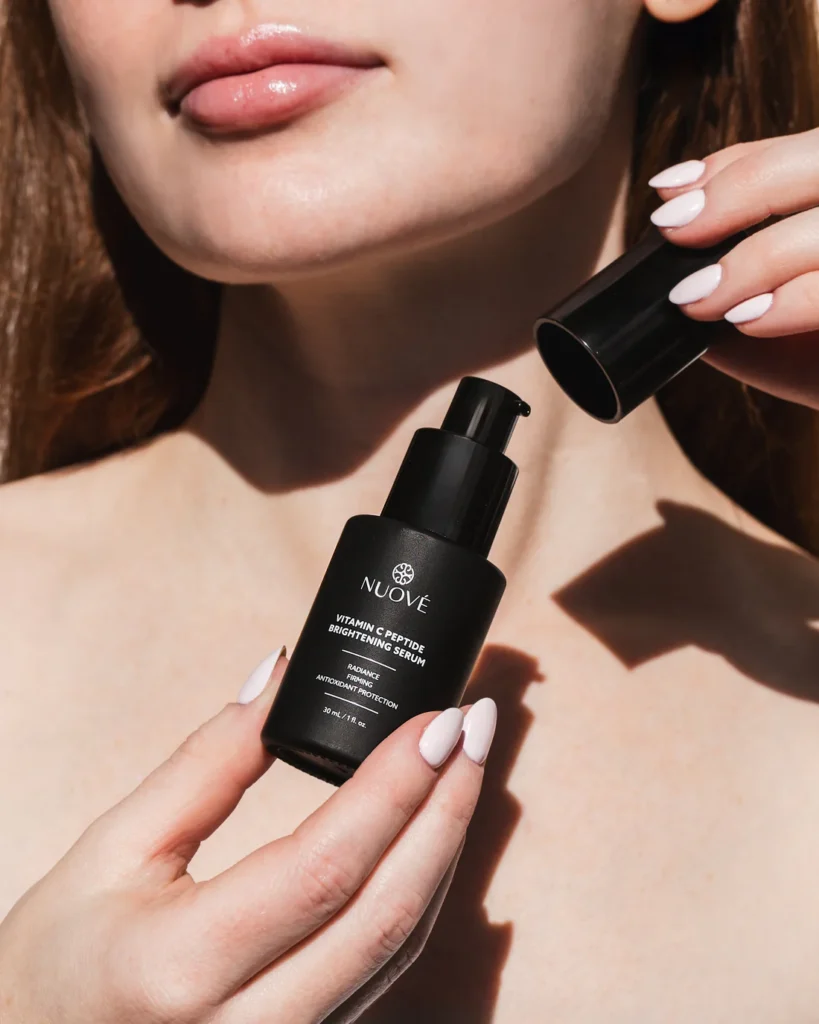
Your skin barrier works like a shield. It keeps moisture in and irritants out. When this shield weakens, you notice dryness, redness, and sudden sensitivity. A skin barrier serum helps rebuild that protection by restoring lost lipids and hydration.
Many people damage their barrier without realizing it. Over-exfoliation, harsh weather, strong activities, and stress all play a role. Recovery takes the right ingredients and consistent care, not aggressive treatments.
This guide explains how repair works and what you can do today.
Signs Your Skin Barrier Needs Repair
Your skin often gives clear warnings before serious damage happens. You only need to recognize them early.
Common symptoms include:
- Tightness after washing your face
- Flaking or rough texture
- Redness or burning sensation
- Breakouts that appear suddenly
- Stinging when applying normal products
Healthy skin feels calm and balanced. Damaged skin feels reactive and uncomfortable. That difference matters.
Ignoring these signs often makes the problem worse. Early repair saves time and frustration.
What Causes Barrier Damage
Many daily habits slowly weaken your skin without obvious signs.
Frequent causes include:
- Overuse of exfoliating acids or scrubs
- High-strength retinoids without proper support
- Hot showers or harsh cleansers
- Pollution and sun exposure
- Lack of hydration and poor sleep
Environmental stress breaks down protective lipids. Once those lipids drop, water escapes faster. That leads to dehydration and irritation.
Repair focuses on restoring what your skin lost.
How a Skin Barrier Serum Supports Recovery
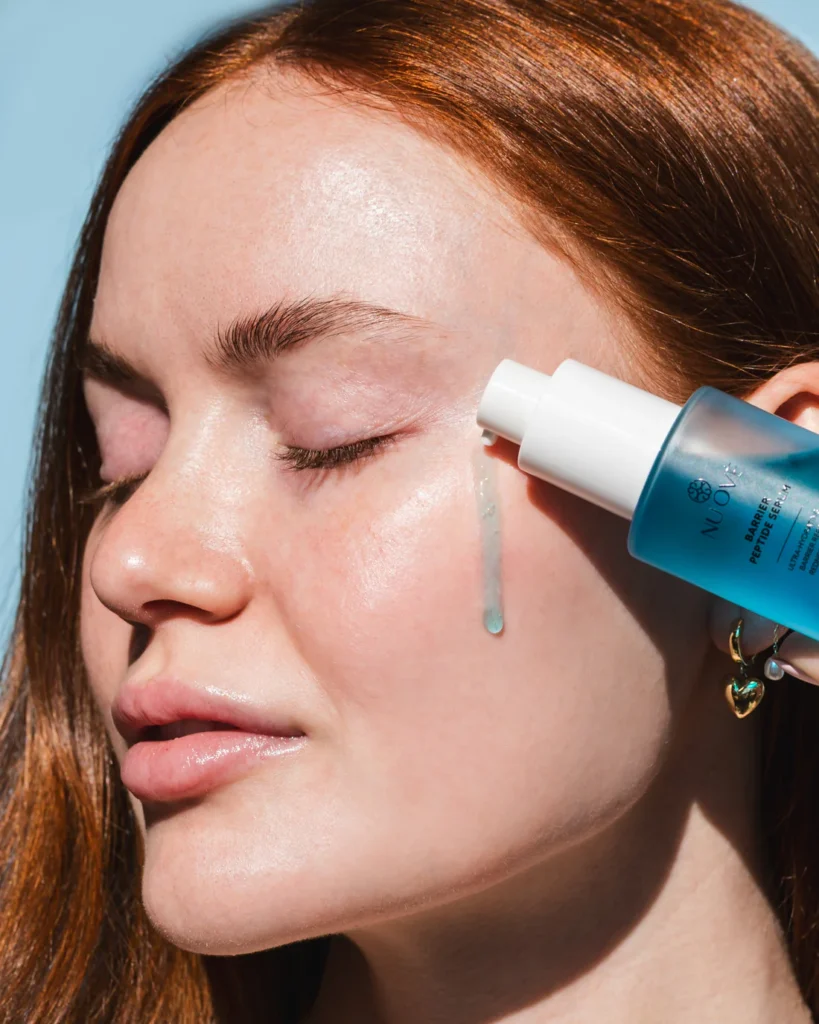
A well-formulated skin barrier serum targets the root problem. It does not only hydrate the surface. It rebuilds function.
These formulas often contain three core categories:
1. Lipid Replenishers
Ceramides, fatty acids, and cholesterol replace missing barrier components. They fill microscopic gaps between skin cells.
2. Hydration Boosters
Humectants like hyaluronic acid and glycerin pull moisture into skin layers. Hydrated skin heals faster and feels smoother.
3. Repair Actives
Niacinamide, panthenol, and peptides support regeneration. They calm inflammation and improve resilience.
Together, these ingredients restore balance over time. Consistency matters more than quantity.
Barrier Serum vs Moisturizer: Understanding the Difference
Many people confuse treatment serums with creams. Each serves a different purpose.
A barrier serum delivers concentrated active ingredients. It penetrates deeper and focuses on repair.
A moisturizer mainly seals hydration. It forms a protective layer that reduces water loss.
Using both creates better results. The serum repairs. The cream protects.
Skipping either step slows recovery.
Key Ingredients That Accelerate Healing
Certain ingredients repeatedly show strong results in barrier repair routines.
Look for:
- Ceramides — restore structure and reduce moisture loss
- Niacinamide — supports lipid production and reduces redness
- Panthenol (Vitamin B5) — improves hydration and healing
- Squalane — softens skin and strengthens protection
- Centella asiatica — calms irritation and supports repair
- Peptides — encourage skin renewal and elasticity
Gentle formulas work better than harsh ones. Irritation delays healing.
How to Use a Barrier Repair Routine Correctly
Application order changes effectiveness. Small mistakes reduce results.
Follow this simple routine:
- Use a mild, non-stripping cleanser
- Apply hydrating toner if needed
- Apply repair serum on slightly damp skin
- Seal with a nourishing moisturizer
- Use sunscreen every morning
Morning protection matters as much as night repair. Sun exposure slows healing.
Patience is essential. Barrier repair usually takes several weeks.
Lifestyle Factors That Influence Recovery Speed
Products help, but habits also matter. Skin reflects internal balance.
Focus on:
- Drinking enough water daily
- Sleeping at least seven hours
- Eating healthy fats and antioxidants
- Managing stress levels
- Avoiding over-exfoliation during recovery
Your body repairs skin while you sleep. Poor sleep slows improvement.
Small daily changes create visible results.
Mistakes That Delay Barrier Healing
Some habits undo progress even with good products.
Avoid these common mistakes:
- Using multiple actives at once
- Washing your face too often
- Skipping moisturizer after serum
- Testing new products frequently
- Ignoring sun protection
Recovery requires stability. Constant changes confuse your skin.
Less is often more during repair phases.
Who Benefits Most From Barrier Support Products
Barrier repair is not only for sensitive skin. Many skin types benefit.
You may need support if you:
- Use retinol or exfoliating acids regularly
- Experience seasonal dryness or irritation
- Have acne treatments that cause peeling
- Notice redness after cleansing
- Recently had professional skin procedures
Even oily skin can suffer barrier damage. Oil and hydration are different.
Balanced skin always performs better.
How Long Recovery Usually Takes
Skin renewal cycles last about four weeks. Barrier repair often follows similar timing.
Mild damage may improve within two weeks. Severe damage can take six weeks or longer.
Consistency speeds results. Switching products frequently slows progress.
Track changes weekly instead of daily. Gradual improvement is normal.
Choosing the Right Formula for Your Needs
Not every product works the same. Ingredient balance matters more than hype.
Look for formulas that are:
- Fragrance-free or low irritation
- Rich in ceramides or lipids
- Hydrating without heavy clogging oils
- Suitable for sensitive skin
Texture also matters. Lightweight layers absorb better during repair.
Comfort encourages consistency.
Why Prevention Matters After Recovery
Once your barrier heals, maintenance keeps it strong.
Continue using supportive ingredients regularly. Avoid returning to aggressive routines quickly.
Healthy skin tolerates actives better. Repair first, then optimize.
Long-term skin health depends on barrier strength.
Support Your Skin Before Damage Gets Worse
Barrier damage rarely fixes itself without intervention. Early action prevents chronic sensitivity and discomfort. Using a targeted skin barrier serum can help restore balance and resilience faster when combined with gentle habits.
If you want dependable support, formulas designed with repair ingredients and skin comfort in mind make a difference. Many people choose solutions like those from Nuové because they focus on barrier health and hydration together. Consistent care today prevents bigger issues later.
Your skin responds to what you do daily. Start now instead of waiting for symptoms to worsen.
Visit us to explore options that support stronger, healthier skin.
Frequently Asked Questions
1. How do I know if my skin barrier is damaged?
Look for tightness, redness, flaking, and stinging after applying products. These signs often indicate barrier disruption.
2. Can oily skin use barrier repair products?
Yes. Oily skin can still lack hydration and barrier strength. Lightweight formulas work well without clogging pores.
3. How often should I use a repair serum?
Most people benefit from twice daily use. Morning and night application supports faster recovery.
4. Should I stop exfoliating during barrier repair?
Yes. Pause strong exfoliants until your skin feels calm and stable again. Over-exfoliation delays healing.
5. How long before I see visible improvement?
Mild cases improve within two weeks. More severe damage may take four to six weeks with consistent care.
