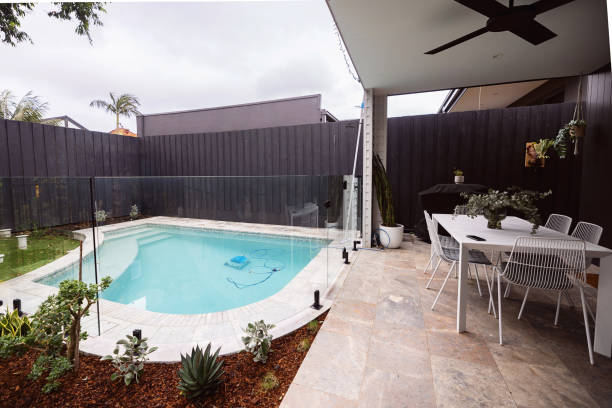
A swimming pool requires more than an attractive design to remain clean, comfortable, and enjoyable. Its equipment plays an important role in maintaining water quality, supporting proper circulation, controlling temperature, and keeping the entire system running smoothly. Over time, pumps, filters, heaters, and other components can wear out or become less efficient. When this happens, upgrading the equipment can be a valuable part of improving your swimming pool.
Pool Remodeling provides an opportunity to evaluate the condition of existing equipment and determine which upgrades can improve performance. Instead of focusing only on the pool’s appearance, homeowners can use remodeling to address hidden problems, improve energy efficiency, and make regular maintenance easier.
Understanding the benefits of upgrading pool equipment can help you make informed decisions and create a swimming environment that is practical, comfortable, and easier to manage.
Improved Water Circulation
Proper water circulation is essential for maintaining a clean and enjoyable swimming pool. The circulation system moves water through the filtration equipment, helping remove dirt, debris, and other unwanted particles.
Older pumps may struggle to provide consistent circulation because of worn components, unsuitable settings, or inefficient operation. Poor circulation can allow debris to collect in certain areas and make water maintenance more difficult.
Upgrading the pool pump during remodeling can help improve water movement throughout the pool. Modern pumps may offer adjustable operating speeds, allowing them to circulate water according to the pool’s needs.
A properly selected pump can also work more effectively with the existing plumbing and filtration system. This helps support consistent circulation without requiring the equipment to operate harder than necessary.
Before replacing a pump, it is important to assess the pool’s size, plumbing layout, filter capacity, and circulation requirements. Choosing equipment that matches the system can improve performance and help maintain suitable water conditions.
Better Energy Efficiency
Pool equipment can contribute significantly to household energy consumption. Pumps, heaters, and other electrical components may operate regularly, making their efficiency an important consideration.
Older equipment may use more energy than necessary because of outdated technology, worn parts, or inefficient settings. Replacing these components during Pool Remodeling can provide an opportunity to improve energy performance.
Variable-speed pumps are a popular upgrade because they can operate at different speeds depending on circulation needs. Running a pump at a lower speed for suitable tasks may reduce energy consumption compared with operating a less efficient pump continuously at a high speed.
Modern heating systems may also offer improved efficiency, depending on the equipment selected and the conditions in which it operates.
However, energy savings depend on several factors, including equipment sizing, operating schedules, electricity costs, and maintenance practices. A professional can help compare suitable options and determine which upgrades may offer the greatest benefit.
Improving efficiency can make pool ownership more manageable while supporting responsible energy use.
Cleaner and Clearer Pool Water
Water quality is one of the most important aspects of pool ownership. A swimming pool should have properly maintained water that is clear, balanced, and suitable for swimming.
Filtration equipment helps capture dirt, small particles, and other debris that enter the water. When filters become worn, damaged, or unsuitable for the pool, maintaining clear water may become more difficult.
Upgrading the filtration system can improve the way unwanted particles are removed. Depending on the existing setup, suitable options may include modern cartridge filters, sand filters, or other compatible filtration technologies.
A new filter must be selected according to the pool’s circulation requirements and the type of pump being used. Incorrect sizing can reduce performance and create unnecessary strain on the system.
It is also important to remember that filtration alone cannot maintain safe swimming water. Regular testing, appropriate chemical treatment, cleaning, and proper circulation remain necessary.
By improving filtration and ensuring that all components work together, homeowners can make routine water maintenance more effective and support a more pleasant swimming experience.
More Comfortable Water Temperature
Water temperature can strongly influence how much people enjoy their swimming pool. If the water feels too cold, swimmers may avoid using the pool, even when the weather is pleasant.
An aging heater may struggle to maintain a consistent temperature, take longer to warm the water, or require frequent repairs. Remodeling provides an opportunity to inspect the heating system and determine whether an upgrade is appropriate.
Modern pool heating options include heat pumps, gas heaters, and other systems designed for different operating conditions. Each option has its own installation requirements, operating costs, and performance characteristics.
A heat pump may offer energy-efficient heating under suitable conditions, while a gas heater may be useful when rapid heating is a priority. The best choice depends on how frequently the pool is used, the desired temperature, and the surrounding climate.
Upgrading the heating system can improve temperature control and make swimming more comfortable. Proper maintenance and suitable equipment settings also help support reliable operation.
Easier Pool Maintenance
Regular pool maintenance involves cleaning the water, checking chemical balance, removing debris, inspecting equipment, and ensuring that circulation remains effective. Aging or inefficient equipment can make these tasks more difficult.
For example, a pump that does not circulate water properly may contribute to uneven water quality. An unsuitable filter may require more frequent cleaning, while an outdated control system may make equipment management less convenient.
Upgrading pool equipment can simplify many routine tasks. Modern pumps, filters, and compatible automation systems may offer more convenient operation and better control over important pool functions.
Some automation systems allow homeowners to manage circulation schedules, lighting, heating, and other compatible features through a central control interface.
These systems do not eliminate the need for regular inspection and maintenance. However, they can make it easier to follow consistent operating schedules and identify certain equipment problems.
When planning an equipment upgrade, consider how much time you want to spend maintaining the pool. Choosing systems that are straightforward to operate and service can make pool ownership more convenient.
Reduced Risk of Unexpected Equipment Failures
Pool equipment experiences regular use and exposure to water, chemicals, sunlight, and changing environmental conditions. Over time, these factors can contribute to wear and reduce the reliability of individual components.
A failing pump, damaged filter, or malfunctioning heater can interrupt pool use and create additional repair demands. Equipment problems may also affect other parts of the system if they are not addressed promptly.
During remodeling, a professional can inspect the existing equipment and identify components that are worn, damaged, or nearing the end of their useful life.
Replacing equipment based on its actual condition can help reduce the likelihood of unexpected breakdowns. It also provides an opportunity to check related components, electrical connections, plumbing, and control systems.
Not every older component needs immediate replacement. Some equipment may continue to perform well with proper servicing. A professional assessment can help distinguish between components that need attention and those that can remain in use.
Planning upgrades during a broader renovation may also make it easier to coordinate installation work and address related issues before they become more disruptive.
Improved Pool Safety
Pool equipment contributes to the safe operation of the entire swimming environment. Electrical systems, pumps, drains, heaters, and automated controls must function correctly and be installed according to applicable safety requirements.
Older or damaged components may present risks if they are poorly maintained or no longer meet current requirements.
Remodeling provides an opportunity to inspect these systems and address problems that could affect safe operation. A qualified professional can check electrical equipment, bonding and grounding, circulation components, and applicable drain safety features.
Pool lighting can also be reviewed during the renovation. Properly installed lighting can improve visibility around the pool and help swimmers identify steps and other important features.
Automation and monitoring features may offer additional convenience, but they should not replace regular inspections or essential safety measures.
It is important to use qualified professionals for electrical work and other specialized installations around swimming pools. Appropriate installation and ongoing maintenance help protect swimmers and support reliable equipment performance.
More Convenient Pool Operation
Managing pool equipment can become complicated when every component requires separate adjustments. Older systems may have limited controls, making it difficult to coordinate circulation, heating, and lighting.
Upgrading compatible equipment during Pool Remodeling can provide a more convenient way to manage these functions.
Modern control systems may allow homeowners to set operating schedules, adjust temperatures, and control lighting from a centralized interface. Some systems also provide alerts when certain operating conditions require attention.
Convenient controls can help homeowners maintain consistent routines without constantly adjusting individual components.
Before investing in automation, consider which functions you actually need. A simple control system may be sufficient for a basic pool, while a larger pool with heating and decorative features may benefit from more advanced controls.
Choosing a system that matches your pool and lifestyle can improve convenience without adding unnecessary complexity.
Better Long-Term Value
Upgrading pool equipment can support the long-term value of your swimming pool by improving performance, efficiency, and overall usability.
A pool with properly functioning equipment is generally easier to maintain than one that depends on worn or poorly matched components. Efficient systems may also help control operating costs, depending on how the pool is used.
Combining equipment upgrades with resurfacing, decking improvements, or other remodeling work can create a more coordinated renovation plan.
However, the value of an upgrade depends on the condition of the existing system, the cost of installation, and the benefits it provides. It is important to compare options carefully rather than replacing equipment simply because newer models are available.
A professional inspection can help you prioritize improvements, understand installation requirements, and select equipment that suits your needs.
Conclusion
Upgrading pool equipment during remodeling offers several benefits, from improved circulation and cleaner water to greater energy efficiency, easier maintenance, and more comfortable swimming conditions.
Pool Remodeling is an ideal opportunity to assess the entire pool system and determine which components would benefit from repair or replacement. By choosing suitable pumps, filters, heaters, lighting, and control systems, homeowners can improve the way their swimming pool operates.
Before starting a project, consult a qualified pool professional to evaluate the existing equipment and recommend appropriate upgrades. With careful planning, compatible components, and regular maintenance, you can create a swimming pool that is easier to manage, more efficient to operate, and enjoyable to use for years to come.