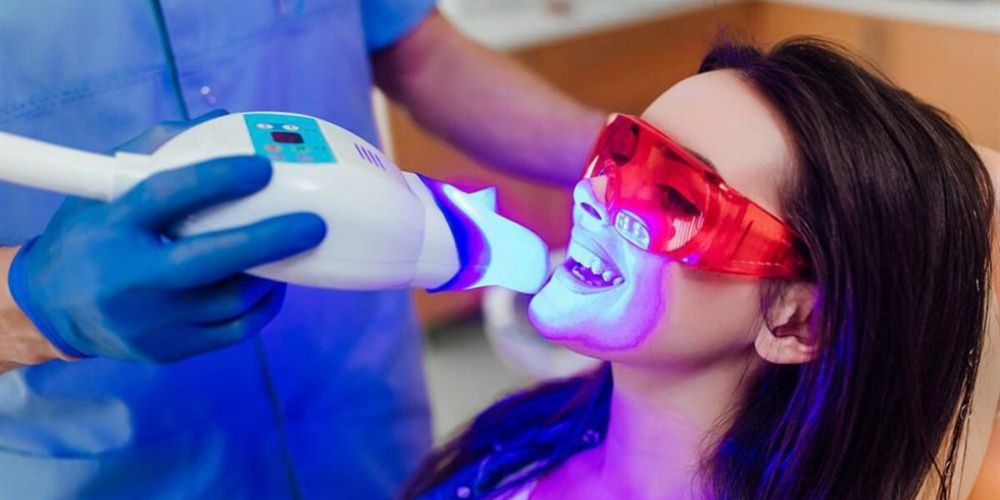
Smoking can have a noticeable effect on the appearance of your teeth. Over time, tobacco smoke can leave yellow or brown stains on the teeth, making them look dull and less bright. For people who smoke regularly, these stains can become more noticeable and harder to remove with normal brushing alone.
Many smokers wonder whether professional teeth whitening can still give them good results. The answer is yes. Smokers can benefit from teeth whitening, although the results may depend on the type of stains, the condition of the teeth, and how often a person smokes.
If you are considering Teeth Whitening Brisbane, it is helpful to understand how smoking affects your teeth, what whitening can do, and how you can maintain your results.
How Does Smoking Stain Your Teeth?
Cigarettes contain substances such as nicotine and tar that can affect the colour of your teeth. Nicotine may become yellow when it comes into contact with oxygen, while tar contains dark particles that can stick to the tooth surface.
With regular smoking, these substances can build up over time. This can cause teeth to change from a natural white shade to yellow, brown, or darker shades.
At first, the staining may only affect the outer surface of the teeth. These surface stains can often respond well to professional cleaning and whitening. However, long-term smoking can sometimes lead to deeper discoloration, which may be more difficult to lighten.
Can Smokers Have Their Teeth Whitened?
Yes, smokers can have their teeth professionally whitened. Whitening treatments can help reduce many types of stains caused by tobacco, food, drinks, and other everyday habits.
However, it is important to have realistic expectations. Teeth whitening can make natural teeth look brighter, but it cannot prevent new stains from forming. If you continue to smoke regularly after treatment, your teeth may gradually become stained again.
The results can also vary between individuals. Someone with mild surface staining may see a clear improvement, while someone with years of heavy staining may need a more personalised treatment plan.
Before starting Teeth Whitening Brisbane, a dental professional can examine your teeth and recommend a suitable option based on their condition.
Why Professional Whitening May Be Helpful
There are many whitening products available for use at home. These include whitening toothpaste, strips, gels, and other products. Some may help reduce minor surface stains, but they may not be enough for more noticeable tobacco staining.
Professional whitening starts with an assessment of your teeth and gums. This allows the dentist to check for problems such as tooth decay, gum issues, damaged enamel, or existing dental work.
This step is important because whitening is designed to change the colour of natural teeth. Fillings, crowns, veneers, and other restorations may not respond to whitening in the same way as natural tooth enamel.
A professional can also explain what level of whitening may be possible and how to use or care for your teeth after treatment.
What Happens During Teeth Whitening?
The exact whitening process can vary depending on the treatment chosen. Usually, the dentist will first examine your teeth and discuss your concerns and expectations.
If your teeth and gums are suitable for whitening, your teeth may be cleaned before the treatment. Removing surface buildup can provide a cleaner starting point for the whitening process.
A whitening product is then applied according to the recommended procedure. Depending on your treatment plan, whitening may be completed in the dental practice or with customised products that you use at home under professional guidance.
You will also receive instructions about caring for your teeth after treatment. Following these instructions can help reduce sensitivity and support more even results.
Is Teeth Whitening Safe for Smokers?
Teeth whitening can be suitable for smokers when it is properly assessed and carried out according to professional instructions. However, smoking can affect overall oral health, so it is important to consider the condition of your teeth and gums before beginning treatment.
Some people experience temporary sensitivity after whitening. Mild gum irritation can also occur in some cases. These effects are generally temporary, but anyone who already has sensitive teeth should discuss this with their dentist before treatment.
If you have cavities, gum problems, damaged teeth, or other oral health concerns, these issues may need to be treated before whitening.
Teeth whitening is a cosmetic treatment and should not be used to cover up an untreated dental problem.
Why Aftercare Matters for Smokers
After whitening, taking care of your teeth is important for maintaining the results. This is particularly relevant for smokers because tobacco can cause new stains to develop.
Smoking soon after whitening may make it harder to maintain the brightness of your teeth. Tobacco can continue to leave staining substances on the tooth surface, which can gradually affect the colour again.
If you smoke, reducing your tobacco use can help limit further staining. Quitting smoking can provide even greater benefits for your oral and general health.
After Teeth Whitening Brisbane, your dentist may recommend avoiding certain foods and drinks for a short period and following a specific oral care routine. Following these recommendations can help your teeth stay brighter for longer.
How Long Will the Results Last?
There is no fixed period for how long teeth whitening results will last. Several factors can affect the results, including your diet, oral hygiene, smoking habits, the original level of staining, and the type of whitening treatment used.
For smokers, results may not last as long because regular exposure to tobacco can cause new discoloration.
Good oral hygiene can help maintain a brighter smile. Brushing twice a day, cleaning between your teeth, attending regular dental check-ups, and having professional cleaning when recommended can all support your oral health.
If staining returns over time, your dentist can advise whether further whitening is appropriate. It is important not to use whitening products more often than recommended, as excessive use may increase tooth sensitivity.
Can Whitening Remove All Tobacco Stains?
Teeth whitening can reduce many tobacco stains, but it may not remove every type of discoloration completely.
Surface stains often respond well to whitening. Deeper or long-term discoloration may be harder to treat and may require a different approach.
The condition of your enamel can also affect the result. Teeth that are worn, damaged, or affected by other dental problems may not respond in the same way as healthy natural teeth.
This is why a dental assessment is useful before treatment. It can help determine the likely results and whether whitening is the most suitable option for your teeth.
What If You Have Fillings, Crowns, or Veneers?
If you have dental restorations, tell your dentist before starting a whitening treatment. Whitening products generally work on natural tooth enamel and may not change the colour of fillings, crowns, or veneers.
This can sometimes result in a difference in colour between natural teeth and restorations after whitening.
A dentist can assess your existing dental work and explain how whitening may affect the appearance of your smile. If you are planning new restorations, the final shade can also be considered as part of your overall treatment plan.
Tips for Maintaining a Brighter Smile
Taking good care of your teeth can help maintain whitening results. Some simple habits include:
- Brush your teeth twice a day.
- Clean between your teeth regularly.
- Attend routine dental check-ups.
- Have professional cleaning when recommended.
- Drink plenty of water.
- Limit foods and drinks that can cause staining.
- Follow your dentist’s aftercare instructions.
- Reduce or stop smoking if possible.
These habits can help reduce the buildup of plaque and stains and support better oral health.
When Should You See a Dentist Before Whitening?
A dental check-up is recommended before whitening, especially if you have noticeable or long-lasting discoloration. It is also important to speak with a dentist if you have tooth pain, bleeding gums, bad breath, sensitivity, or visible damage.
Not every change in tooth colour is caused by smoking. Discoloration can sometimes be related to decay, enamel wear, dental injuries, medications, or other dental conditions.
A professional assessment can help identify the cause of the discoloration and determine whether whitening is suitable for you.
For smokers, this assessment also provides an opportunity to check the health of the teeth and gums before beginning cosmetic treatment.
Final Thoughts
Smokers can still achieve noticeable results from professional teeth whitening, although the outcome depends on the level of staining, the condition of the teeth, and ongoing smoking habits. While whitening can help brighten natural teeth, continued smoking may cause new stains to appear over time.
If you are considering Teeth Whitening Brisbane, it is a good idea to have your teeth assessed by a dental professional first. This can help determine whether whitening is suitable for you and what type of treatment may provide the results you are looking for.
White And Bright is a professional teeth whitening provider that helps clients improve the appearance of stained or discoloured teeth through suitable whitening treatments. With professional guidance, proper aftercare, and good oral hygiene, smokers can work towards maintaining a brighter and healthier-looking smile.
