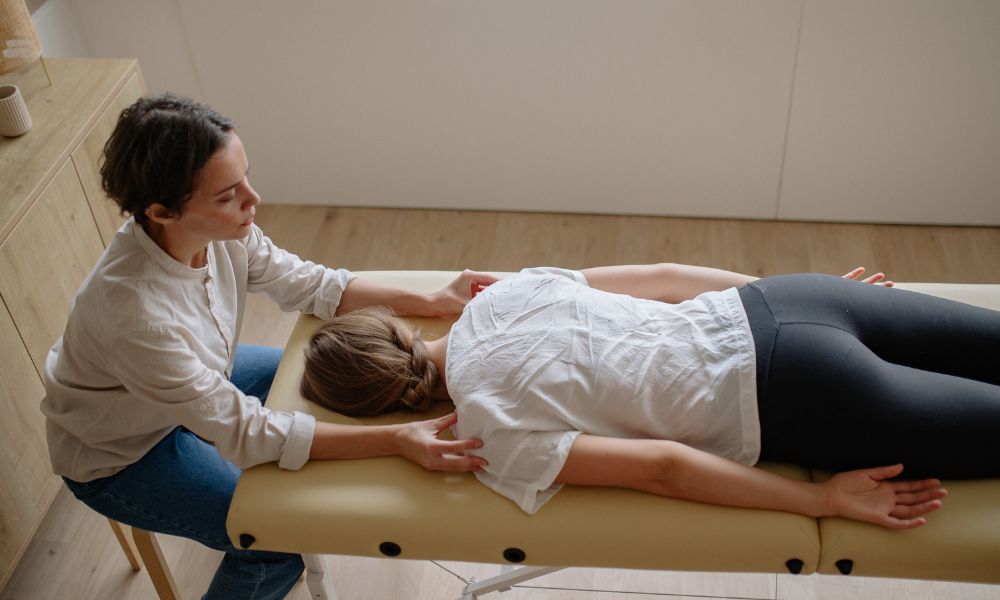
Active Release Technique is a hands-on treatment method that focuses on soft tissues such as muscles, tendons, ligaments, fascia, and nerves. Many people consider this approach when they experience muscle tightness, stiffness, limited movement, or discomfort after physical activity. It uses targeted pressure and movement to work on specific areas that may feel tight or restricted.
People choose Active Release Technique for different reasons based on their daily activities, exercise habits, work routines, and movement needs. Some may be active in sports, while others may spend long hours sitting at a desk or doing repeated physical tasks. Understanding these common reasons can help people decide whether this type of treatment may be useful for their needs.
What Is Active Release Technique?
Active Release Technique is a hands-on method that focuses on areas of soft tissue that may have become tight or restricted. During a session, a practitioner uses controlled pressure on a specific area while guiding the body through certain movements.
The treatment is adjusted based on the person’s needs. The practitioner may focus on one area or several connected areas depending on the person’s symptoms, activity level, and movement patterns.
Muscle Tightness and Stiffness
Muscle tightness is one of the common reasons people look for soft tissue treatment. Muscles can become tight after exercise, physical work, repeated movements, or staying in one position for a long time.
Tightness may make simple movements feel less comfortable. A person may notice stiffness when getting out of a chair, walking, stretching, exercising, or turning their body.
Active Release Technique focuses on specific soft tissues that may feel tight or restricted. The goal is to support more comfortable movement and help the person use the affected area more freely.
Support for Active People
People who exercise regularly often place repeated demands on their muscles and other soft tissues. Running, cycling, strength training, swimming, and sports can all involve repeated movements.
Some active people choose Active Release Technique as part of their recovery routine. It can be used along with stretching, strength exercises, warm-ups, cool-downs, rest, and other healthy habits.
The focus is usually on areas that feel tight or may be affecting comfortable movement during physical activity.
Repetitive Daily Activities
Repetitive movements can affect the same muscles and soft tissues again and again. Typing, lifting, reaching, driving, using tools, and other repeated tasks can place extra stress on certain areas.
Over time, a person may notice tightness or discomfort in a specific part of the body. This can lead them to look for a treatment that focuses directly on the soft tissues involved.
Active Release Technique provides a targeted approach that can be adjusted to the areas affected by repeated activity.
Improving Movement and Flexibility
Limited movement can affect both exercise and everyday tasks. A person may find it harder to bend, reach, rotate, squat, or perform certain activities comfortably.
Soft tissue tightness may be one factor that makes movement feel restricted. Active Release Technique may be used as part of a plan focused on supporting flexibility and comfortable movement.
It can also be combined with regular stretching and mobility exercises. These activities may help a person continue working toward better movement as part of their daily routine.
Discomfort From Sitting for Long Periods
Many people spend several hours each day sitting at a desk, working on a computer, driving, or using a phone. Staying in one position for long periods can contribute to tension in different parts of the body.
The neck, shoulders, upper back, lower back, and hips may feel tight after extended sitting. Some people may also notice that they feel stiff when they stand up or start moving again.
Active Release Technique may be considered when soft tissue tightness is affecting comfortable movement. Regular movement breaks, better posture, and a suitable work setup can also support better daily movement.
Support After Physical Strain
Physical strain can happen during exercise, sports, work, or normal daily activities. When muscles and other soft tissues are placed under repeated or heavy demands, a person may experience tightness or discomfort.
Some people choose Active Release Technique as part of their recovery routine. The treatment allows attention to be given to specific areas instead of applying the same approach to the entire body.
However, not every type of pain or injury should be treated with manual therapy alone. If discomfort is severe, ongoing, or caused by an injury, a proper professional assessment is important.
Supporting Sports and Exercise Recovery
Regular exercise can be helpful for overall health, but repeated activity can also leave muscles feeling tired or tight. Athletes and recreational exercisers may look for ways to support their recovery while continuing their normal activities.
Active Release Technique may be included in a recovery plan when certain soft tissues feel restricted. It can work alongside proper rest, hydration, stretching, mobility work, and strength training.
The goal is to help people maintain comfortable movement so they can continue participating in the activities they enjoy.
Areas Commonly Treated
The areas addressed during Active Release Technique can vary from person to person. A practitioner may focus on areas that are affected by daily activities, exercise, or repeated movements.
Common areas may include:
- Neck and shoulders
- Upper and lower back
- Hips
- Arms and forearms
- Thighs
- Calves
- Feet
The practitioner may also look at how different areas work together because tightness in one area can sometimes affect movement in another.
Posture-Related Muscle Tension
Poor or fixed posture can place extra demands on certain muscles. Sitting at a desk, looking down at a phone, or working in the same position for long periods may contribute to muscle tension.
The neck, shoulders, back, and hips can be common areas where people notice this type of tightness.
Active Release Technique may be considered as part of a broader approach to improving movement comfort. Along with hands-on care, taking regular breaks, changing positions, adjusting a workstation, and adding suitable exercises can help support better movement habits.
A Targeted Approach to Soft Tissue Care
One reason people choose Active Release Technique is that it focuses on specific areas rather than treating the entire body in the same way.
During a session, the practitioner can work on areas that feel tight or restricted while guiding certain movements. This makes the treatment more focused on the person’s individual concerns.
The approach may be useful for people who want targeted soft tissue care as part of their regular wellness or recovery routine.
Combining Treatment With Healthy Habits
Active Release Technique works best when considered as part of a wider approach to movement and recovery. Regular exercise, stretching, strength training, proper rest, and healthy daily habits can all play a role.
People should also pay attention to how they use their bodies during work, exercise, and other daily activities. Small changes, such as taking movement breaks or improving posture, can help reduce repeated strain.
If a person has ongoing or severe discomfort, professional advice should be considered before starting any new treatment approach.
Who May Consider Active Release Technique?
Different types of people may consider this type of treatment. It may be of interest to people who exercise regularly, individuals with physically demanding jobs, office workers, or anyone who notices soft tissue tightness affecting normal movement.
Common reasons for considering it include:
- Muscle tightness
- Stiffness
- Limited movement
- Repeated physical activity
- Exercise-related muscle tension
- Long periods of sitting
- Recovery support
- General mobility concerns
The right treatment depends on the person’s needs and the reason behind their discomfort or movement problem.
Final Thoughts
Active Release Technique can be a useful option for people looking for targeted soft tissue care. Muscle tightness, repetitive activities, exercise, long periods of sitting, and physical strain are some of the common reasons people consider this approach.
For those interested in learning more about this type of treatment, SF Custom Chiropractic can be a helpful resource for understanding available care and discussing individual movement concerns with a qualified professional.
The best approach depends on each person’s condition, daily routine, and goals. Along with professional care, regular movement, proper exercise, rest, and healthy habits can help support comfortable movement and overall physical well-being.
