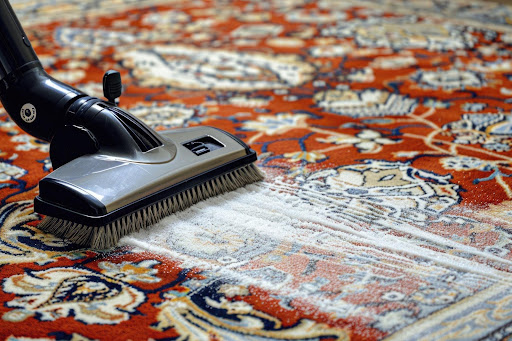
Persian carpets are valued for their intricate patterns, carefully woven structures, and distinctive character. Their natural fibers, detailed knots, and decorative colors require more than routine vacuuming to remove accumulated dust, stains, and residue. Proper deep cleaning Persian Carpets focuses on removing embedded contaminants while maintaining the rug’s structure, appearance, and overall condition through suitable handling and treatment.
Regular professional care can help preserve a Persian rug’s visual appeal and extend its usable life. Cleaning requirements can vary according to fiber, construction, age, staining, and previous treatments. A suitable process therefore begins with assessment rather than immediately applying water, shampoo, or extraction equipment.
Why Persian Carpets Require Specialized Cleaning
Persian and Oriental carpets can contain delicate wool or silk fibers that respond differently to moisture, cleaning products, friction, and drying conditions. Handmade construction also means that excessive agitation or unsuitable treatment may affect the pile, color, or structural integrity. Professional evaluation helps determine the appropriate approach before cleaning begins.
Dubai homes can also expose rugs to fine dust and everyday debris that gradually settle between fibers. Surface vacuuming may remove loose particles, but embedded material can remain deeper within the carpet. A structured cleaning service can address accumulated dirt while taking the rug’s construction and condition into consideration.
Key Considerations Before the Cleaning Process
Before any treatment begins, professional technicians need to understand what they are handling. Fiber composition, rug construction, staining, color condition, and visible damage can influence the cleaning method. This preliminary assessment is particularly important for handmade pieces because apparently similar carpets may require different treatment.
Several factors can affect the recommended cleaning approach:
- Fiber type, including wool or silk
- Handmade or woven construction
- Existing stains and discoloration
- Fringe, edges, holes, or insect-related damage
- Previous repairs or restoration work
- Overall level of accumulated soil
Fiber-Specific Treatment
Wool and silk do not respond identically to cleaning solutions or moisture. A suitable process considers the material before treatment, helping technicians select an approach that addresses soil while respecting the fiber’s characteristics.
Color and Dye Assessment
Persian carpets can feature detailed coloration that requires careful handling. Checking the condition of colors before cleaning helps reduce the possibility of unwanted color movement or changes during treatment.
Structural Inspection
Knots, fringes, edges, holes, and other visible areas can provide important information about a rug’s condition. Identifying existing weaknesses before washing helps ensure that cleaning is approached with appropriate care.
Stain Identification
Food, beverage, household, and other marks may require different treatment strategies. Identifying the nature and location of staining allows targeted attention instead of applying the same process across the entire carpet.
How Professional Persian Carpet Washing Works
A professional cleaning process can involve several controlled stages rather than a single washing action. The carpet may first be assessed and prepared before dirt and debris are addressed. Rug shampooing can then help loosen embedded soil, while appropriate cleaning techniques work through the fibers without treating every carpet identically.
After washing, proper handling remains important. Drying, grooming, and final inspection contribute to the finished result. The carpet should be returned only after the cleaning process has been completed appropriately. This sequence helps maintain consistency from collection through delivery while allowing attention to both cleanliness and presentation.
Repair and Restoration Can Complement Cleaning
Cleaning is not always the only requirement for an older or heavily used Persian rug. Existing holes, split areas, damaged fringes, insect-related deterioration, and color concerns can affect the carpet’s overall appearance. Addressing these issues alongside cleaning can provide a more complete form of carpet care when restoration is appropriate.
Specialized repair work may include mending holes, repairing fringes, removing color runs, and reweaving damaged sections. These services require craftsmanship because the objective is not simply to conceal visible damage. The repair should complement the existing carpet structure and preserve its established appearance as closely as practical.
Fringe Repair
Fringes form an important part of many Persian carpets and can become worn or unravelled through regular use. Professional fringe repair can address damaged sections while helping maintain the rug’s finished appearance and edge integrity.
Hole Repair
Holes can develop from wear, accidental damage, or other causes. Skilled mending and reweaving can restore affected sections, helping the carpet remain functional while preserving as much of its original character as possible.
Insect Damage Treatment
Insects can cause deterioration in carpet fibers and may leave visible damage that requires attention. Specialized repair services can address affected areas and restore sections where suitable treatment is possible.
Color Restoration
Fading or color-related damage can change the appearance of an otherwise well-preserved rug. Professional color restoration can help improve affected areas while working to maintain harmony with the carpet’s existing palette.
Collection, Workshop Care, and Return
Loose Persian and Oriental rugs can benefit from a controlled workshop process where cleaning and repair work can be carried out by experienced craftsmen. Collection also reduces the need for the rug owner to transport a delicate piece independently. Proper handling is important throughout movement because edges, fringes, and older sections may require additional attention.
A defined collection and return procedure also creates greater convenience for residential customers. The service includes collection, measurement-based pricing, cleaning or repair work, and packaged return. The stated process provides for return in approximately four days, with customers notified before delivery, allowing them to plan around the service.
Final Thoughts
Could a carefully handled cleaning process preserve the character of a treasured Persian rug while addressing years of accumulated dirt? MoonLightCarpet Washing brings decades of experience and skilled craftsmen to Persian and Oriental rug care, with services covering handmade carpet cleaning, rug shampooing, stain removal, carpet repair and restoration, insect-damage treatment, fringe repair, hole mending, and color fixing. The company also provides collection and return, with rugs insured from collection until they are returned, while its workshop handles both silk and wool pieces. For owners seeking top Persian rug cleaning experts in Dubai, choosing a provider with specialized craftsmanship, suitable equipment, restoration capabilities, and careful handling can make professional carpet maintenance a more dependable part of long-term rug care.