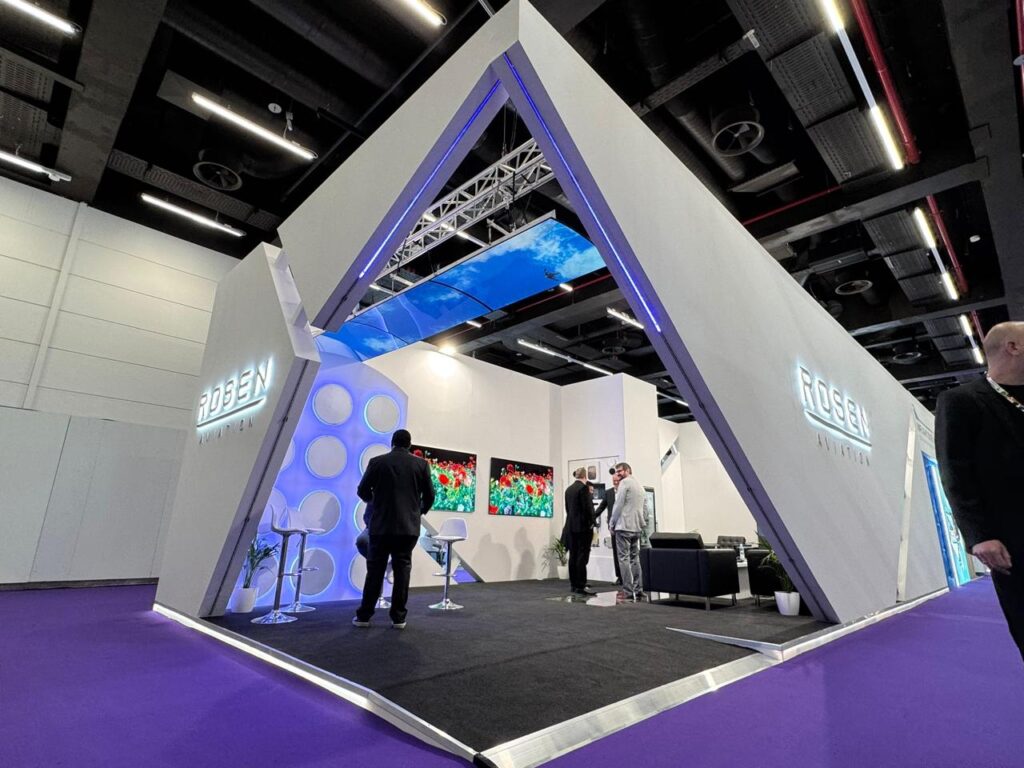
A guide for exhibitors who want their booth ready on time, on budget and on brand
Every exhibitor knows the feeling. The show date is fixed, the floor space is paid for, and the booth is still stuck in review. The render looked amazing three weeks ago, yet the build team says it cannot be made the way it was drawn, the budget has jumped, and the shipping window is closing.
This problem has a common root cause: the exhibit design and the exhibit build are handled by two different companies that do not work as one team. When a designer creates a beautiful concept and hands it to a separate fabricator, gaps appear. Those gaps cost time and money, and they often show up when there is no time left to fix them.
In this guide, we look at why splitting 3D exhibit design from fabrication causes delays, where the biggest risks hide, and how exhibitors can avoid them before the next show.
The Traditional Split: Designer Here, Fabricator There
Many exhibitors still work in two steps. First, they hire a design studio or freelance designer to produce renders of the stand. Then they take those files to a fabricator, or ask several fabricators for quotes, to build the booth.
On paper, this seems sensible. You choose the most creative designer and the most affordable builder. In practice, it creates a handoff, and every handoff is a place where information gets lost, assumptions go unchecked and responsibility becomes unclear.
Where the Delays Actually Come From
1. The design is not built with production in mind
A designer working alone may create a stunning 3D exhibition stand design with curved walls, floating signs, thin spans and complex lighting. The visuals impress everyone in the meeting. But if the designer does not know how the booth will be manufactured, shipped and assembled, the concept may include features that are costly, slow or simply impractical to build.
When the fabricator reviews the files, they raise questions. Can this panel be made at that size? Will this structure support the weight? Does it fit in a standard crate? Each question leads to a revision, and each revision takes days.
2. The first quote is a surprise
Because the designer is not responsible for the price of the build, the concept may be designed without a clear budget. The fabricator then sends a quote that is much higher than expected. Now the team has to go back to the designer to simplify the booth, which means new renders, new approvals and a new quote. This cycle can repeat more than once.
3. Files and formats do not match
A 3d trade show booth design that looks perfect in a rendering is not the same as a set of production drawings. Fabricators need dimensions, material specifications, finishes, connection details, graphic files and electrical plans. If the designer delivers only visuals, the fabricator has to recreate large parts of the design from scratch, and that is where mistakes and delays creep in.
4. Nobody owns the problem
When something goes wrong, each party points at the other. The designer says the fabricator misread the concept. The fabricator says the design was incomplete. The exhibitor sits in the middle, waiting and paying, while the clock keeps ticking toward show day.
5. Show rules arrive too late
Venue and show organizer rules affect height limits, hanging signs, fire-safe materials, electrical requirements and sight lines. A designer who has not worked on the specific show may overlook them. A fabricator may only catch the issue after the design is approved. A late discovery means redesign work at the worst possible time.
6. Approval loops multiply
With two companies involved, every change has to travel through more people. A simple adjustment, such as changing a counter size or moving a screen, may require the designer to update the render, the fabricator to update the build plan, and the exhibitor to approve both. Multiply that by a dozen changes and weeks disappear.
What the Delay Really Costs
Delays are not only about frustration. They have real consequences for your show:
- Rush fees. Faster production, expedited freight and overtime labor all cost more.
- Compromised quality. Shortened timelines often lead to cut corners, simpler finishes or untested elements.
- Missed advance deadlines. Late shipments can mean higher drayage rates, surcharges and show service penalties.
- Team stress. Marketing and sales teams spend their final weeks chasing updates instead of preparing for the event.
- Lost opportunity. In the worst case, the booth arrives incomplete, or not at all.
Why Integrated Design and Build Works Better
When the same team handles both design and production, many of these problems disappear. This does not mean creativity suffers. It means creativity works within real-world limits from day one.
Design with production knowledge. Designers and fabricators sit in the same conversations, so a concept is checked for buildability, weight, shipping and assembly early. Impractical ideas are adjusted before anyone falls in love with them.
One source of truth. The renders, drawings and production files all come from the same team, so nothing is lost in translation.
Faster revisions. If you change a feature, one team updates the design and the build plan together.
Clear accountability. One partner is responsible for the final result, so you know who to call.
Better budget control. Cost feedback is built into the design process, so you see realistic numbers early, not after the concept is approved.
A strong 3d exhibit design process, in other words, is not just about how a booth looks. It is about how it moves from screen to show floor.
What Good 3D Design Should Include
Whether you work with an integrated partner or not, a useful design package should go beyond pretty pictures. Look for:
- Realistic 3D renders from multiple angles, including aisle-level views that show how visitors will actually see the booth.
- Dimensioned drawings with clear measurements and floor plans.
- Material and finish specifications for every major surface.
- Lighting, power and technology plans showing where screens, outlets and fixtures will go.
- Graphic specifications with sizes, bleeds and file formats.
- Shipping and installation notes that explain how the exhibit packs, travels and goes together.
A well-prepared 3d exhibition stand design package like this reduces the guesswork that causes delays later on.
Questions to Ask Before You Hire
Before you commit to a design partner or a builder, ask:
- Who will be responsible if the design and build do not match?
- Does the design team check buildability and cost during the concept stage?
- Will we receive production-ready drawings, not just renders?
- Have you worked on this specific show and venue before?
- How many revision rounds are included, and how long does each take?
- What is the timeline from approval to delivery?
Clear answers to these questions show you whether a partner can manage the full journey.
If You Must Work With Separate Teams
Sometimes a split is unavoidable, for example when your brand agency owns the creative direction. If that is your situation, you can still reduce the risk:
- Bring the fabricator in early. Share the concept before the design is finalized so they can flag issues.
- Share your budget up front. Give both teams the same number from the start.
- Agree on deliverables. Define exactly which files the designer will hand over, including production drawings.
- Appoint one project lead. Someone on your side should coordinate between the two teams and keep a single timeline.
- Build in buffer time. Add extra weeks for revisions and approvals.
Final Thoughts
A beautiful booth only helps if it arrives on time, fits the venue and stays within budget. Separating 3d trade show booth design from fabrication creates handoffs, revisions and gaps in responsibility that slow projects down just when speed matters most. By choosing a partner who connects design and build, or by managing a split team very carefully, you can protect your schedule, your budget and your brand.
Before your next show, ask yourself a simple question: does the team that designs my booth also stand behind how it is built? If the answer is no, now is the time to fix it.