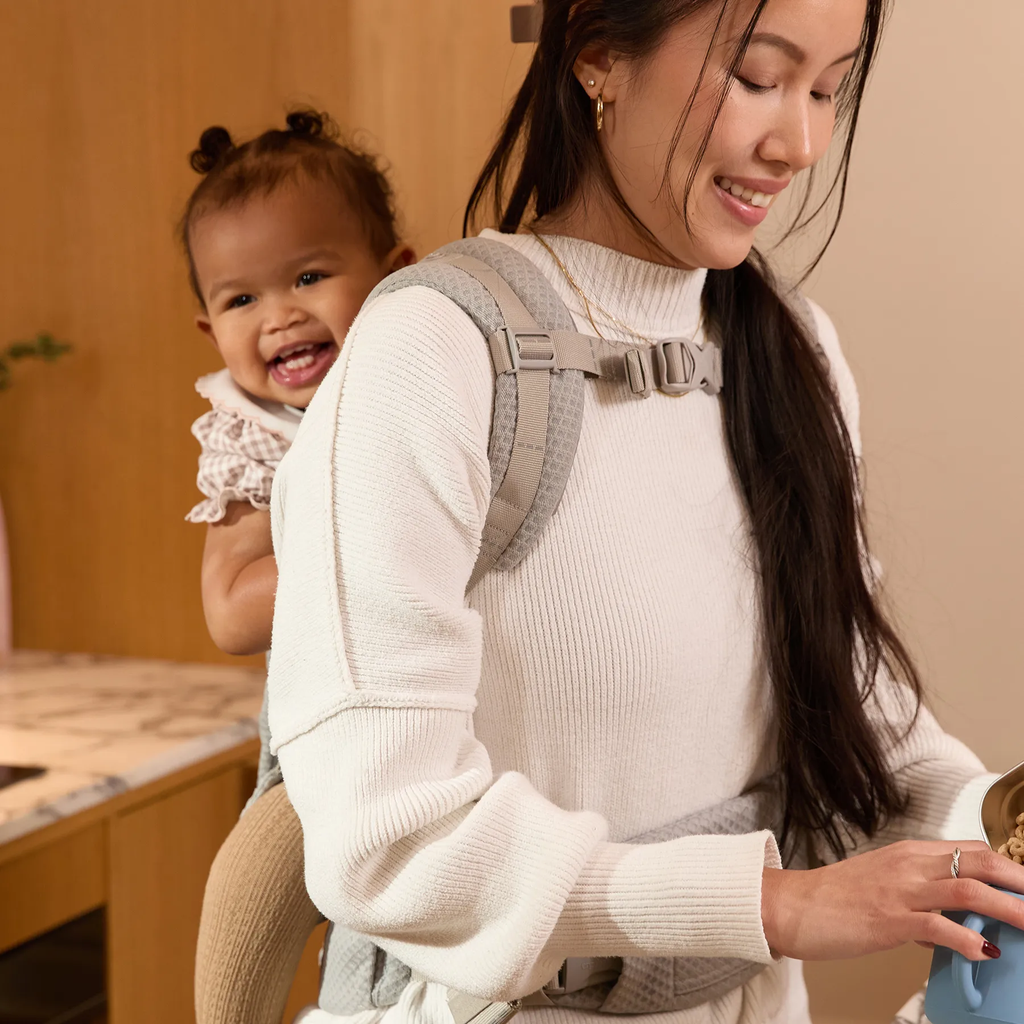
An ergonomic baby carrier can make carrying an infant more comfortable while supporting healthy positioning for both the baby and the caregiver. Proper design helps distribute weight across the shoulders, back, waist, and hips instead of placing excessive pressure on one area. Features such as adjustable straps, padded waist belts, supportive panels, and a wide seat can improve overall comfort during daily activities. Baby carriers also differ in structure, materials, carrying positions, and weight limits, making design an important consideration. Understanding how these features work can help families select a suitable carrier that provides practical support without restricting natural movement.
Why Ergonomic Design Matters
An ergonomic baby carrier is designed around natural body alignment. A poorly fitted carrier can create pressure around the shoulders, lower back, or waist, especially during longer carrying periods. A well-designed model distributes the baby’s weight across several areas of the body, reducing concentrated pressure.
For infants, ergonomic positioning also matters because developing hips require appropriate support. A carrier with a supportive seat can help maintain a natural position rather than allowing the legs to hang straight down. Proper positioning can also improve stability and comfort during everyday movement.
Features That Support the Baby’s Hips
Hip-friendly construction is one of the most important elements of an ergonomic carrier. A suitable carrier should provide support from behind the baby’s thighs while allowing the knees to remain higher than the bottom. This position is often described as an “M” position because the legs form a shape resembling the letter M.
Important design features include:
· A wide, supportive seat that extends beneath the thighs
· Adjustable panels that accommodate different infant sizes
· Adequate leg support without excessive pressure
· A stable seat that keeps the baby’s hips in a natural position
· Flexible materials that allow comfortable movement
A carrier should also match the baby’s developmental stage and recommended weight range. Newborns generally require more head and neck support than older babies.
Back Support for the Caregiver
Back support is another major consideration when selecting a baby carrier. Carrying a growing baby for extended periods can place significant strain on the lower back if weight distribution is uneven.
A structured waist belt can transfer some of the baby’s weight toward the hips, which are better suited to carrying heavier loads than the shoulders alone. Padded shoulder straps can further reduce pressure around the neck and upper shoulders.
Useful back-support features include:
1. Wide waist belts: A broader belt can spread pressure over a larger area.
2. Adjustable shoulder straps: Proper adjustment helps maintain balanced weight distribution.
3. Supportive lumbar panels: Additional structure around the lower back can improve comfort.
4. Balanced weight distribution: A carrier should keep the baby’s weight close to the caregiver’s body.
5. Secure fastening systems: Stable buckles and adjustment points help prevent unnecessary shifting.
How Adjustable Straps Improve Comfort
Adjustability allows a baby carrier to fit different body shapes and carrying preferences. Shoulder straps that are too loose can cause the baby to pull away from the body, increasing strain. Straps that are too tight can create uncomfortable pressure.
A properly adjusted carrier should hold the baby close enough to maintain stability without restricting breathing or natural movement. Waist and shoulder adjustments should be checked whenever the carrier is used, particularly after changing clothing layers or switching between caregivers.
Importance of a Wide Baby Carrier Seat
The seat design directly affects hip positioning. Narrow seats may allow the baby’s legs to hang downward, while a wider ergonomic seat can provide support beneath the thighs.
A good seat should provide sufficient support without forcing the hips into an unnatural position. Adjustable seat widths can be especially useful because infants grow rapidly during the first year.
The carrier should also provide enough flexibility for normal leg movement. Excessively rigid construction may restrict movement, while insufficient support may allow the baby to shift into an unstable position.
Materials and Padding
Material selection influences both comfort and ventilation. Breathable fabrics can help reduce heat buildup during warm weather, while soft padding can reduce pressure around the shoulders and waist.
Durable fabrics are useful for frequent use because a baby carrier can experience regular washing, folding, and adjustment. Padding should provide support without making the carrier unnecessarily bulky.
Lightweight materials may also reduce the overall load. However, low weight should not come at the expense of structural support, secure fastening, or appropriate positioning.
Front and Back Carrying Positions
Different carrying positions can distribute weight differently. Front carrying is commonly used during infancy, while back carrying may become practical as a baby grows and develops stronger head and trunk control.
Each position requires appropriate carrier design and correct adjustment. The manufacturer’s instructions should be followed for age, weight, developmental stage, and approved carrying positions.
Forward-facing carrying also requires additional attention because not every baby carrier supports that position. The baby’s airway, hip position, and overall stability should remain priorities regardless of carrying direction.
Signs of Proper Positioning
Several practical checks can help identify whether a baby carrier is positioned correctly:
· The baby’s face remains visible and unobstructed.
· The chin does not press against the chest.
· The back receives appropriate support.
· The hips remain comfortably supported.
· The knees stay higher than the bottom when the carrier is designed for that position.
· The carrier feels secure without excessive pressure.
· The baby’s weight remains close to the caregiver’s body.
Regular checks are particularly important during longer carrying sessions because straps can loosen or the baby’s position can change with movement.
Common Baby Carrier Design Problems
Some designs may create discomfort when used incorrectly or without sufficient adjustment. Narrow seats, poorly positioned waist belts, inadequate back support, and straps that cannot be adjusted properly can all affect comfort.
Another common issue is using a carrier outside the recommended weight or developmental range. A newborn-specific carrier may not provide suitable support for an older baby, while a larger structured carrier may not provide enough support for a very small infant.
Inspecting buckles, seams, straps, and fabric regularly can also help identify wear before it becomes a safety concern.
Practical Tips for Comfortable Carrying
Start with the manufacturer’s fitting instructions and adjust the waist belt before tightening the shoulder straps. Position the baby close to the body while keeping the face visible and the airway clear.
Short carrying sessions can help assess comfort before attempting longer periods. If pressure develops around the lower back or shoulders, the carrier may require adjustment or a different carrying position.
A baby carrier should never replace basic safety awareness. Regularly checking the baby’s position, temperature, breathing, and overall comfort remains important throughout use.
Final Thoughts on Ergonomic Baby Carriers
An ergonomic baby carrier can provide useful support when the design, fit, and carrying position are appropriate. Wide hip-supporting seats, adjustable straps, supportive waist belts, breathable materials, and balanced weight distribution all contribute to a more comfortable carrying experience. Proper positioning is equally important because even a well-designed carrier can become uncomfortable when fitted incorrectly. Attention to the baby’s developmental stage and the caregiver’s posture can help create a safer and more comfortable routine. Regular inspection and adjustment further support effective everyday use.
Bachaa Party: Making Everyday Baby Essentials Easier
Bachaa Party offers a convenient destination for families looking for baby essentials, including products designed for everyday childcare needs. A broad selection can make it easier to explore practical options for feeding, clothing, travel, carrying, and other stages of early childhood. For families considering a baby carrier, access to different styles and baby-care products can simplify product comparison and preparation. Bachaa Party focuses on making baby shopping more convenient by bringing useful categories together in one place. The value comes from having practical baby essentials available through a dedicated platform, helping families prepare for changing needs as babies grow.
