Sydney properties face a wide range of weather conditions throughout the year. From heavy rain and strong winds to hot sun and coastal moisture, buildings are constantly exposed to elements that can slowly cause damage. Because of this, protecting the outside of your property is not just a good idea—it’s necessary. Two common methods used for this purpose are exterior caulking and weatherproof sealing. While they may sound similar, they are not the same, and understanding the difference can help you make better decisions for your home or commercial building.
Many property owners in Australia are unsure about which option they need. Some think a simple seal around windows is enough, while others assume they need full weather protection for the entire structure. The truth lies somewhere in between. By learning how exterior caulking and weatherproof sealing work, where they are used, and what benefits they offer, you can choose the right solution and avoid unnecessary costs or future repairs.
What Is Exterior Caulking?
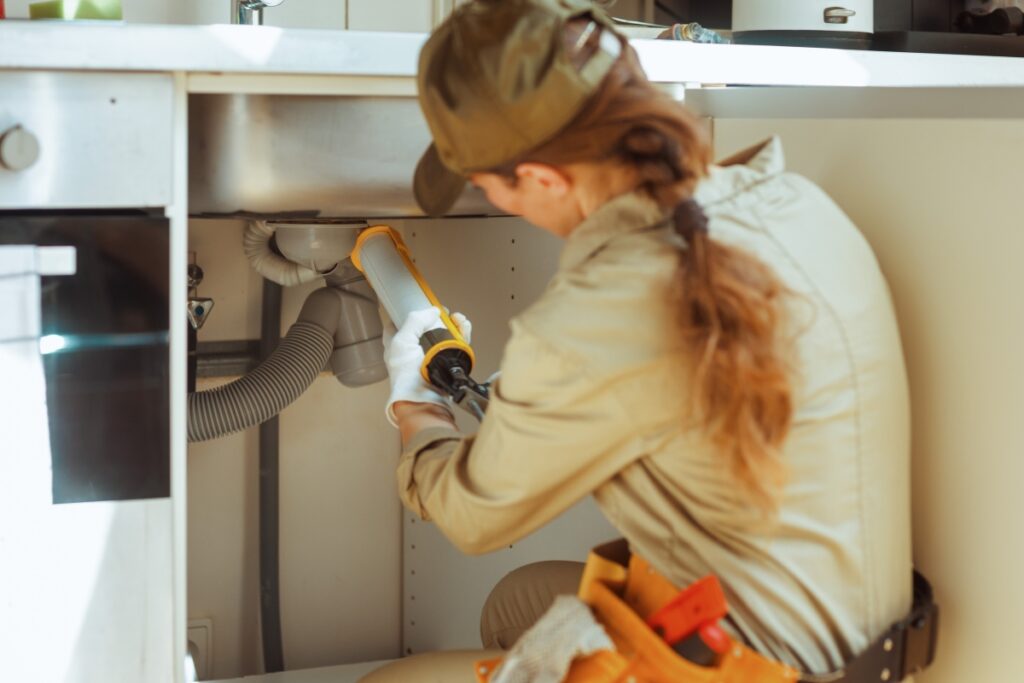
Exterior caulking is the process of sealing small gaps and joints on the outside of a building. These gaps are usually found around windows, door frames, wall joints, and other areas where two surfaces meet. Over time, these spaces can open up due to movement in the building, changes in temperature, or natural wear and tear.
The main purpose of exterior caulking is to stop water and air from entering the building. Even a small crack can allow moisture to get inside, which can lead to bigger problems like mould, rot, or internal damage. By sealing these openings, caulking acts as a protective barrier.
Another benefit of exterior caulking is improved energy efficiency. When gaps are sealed properly, it reduces air leaks. This means your heating and cooling systems don’t have to work as hard, which can help lower energy bills—something many Australian households are concerned about.
What Is Weatherproof Sealing?
Weatherproof sealing is a broader solution that focuses on protecting the entire exterior of a building. While caulking is part of this process, weatherproof sealing goes further by covering larger surfaces and addressing multiple points where damage could occur.
Weatherproof sealing Sydney services usually include sealing walls, roofs, and other exposed areas to protect against rain, humidity, UV rays, and wind. It may involve different materials such as coatings, membranes, and sealants, depending on the building’s needs.
The goal of weatherproof sealing is to create a strong outer layer that shields the building from harsh conditions. This is especially important in areas close to the coast, where salt in the air can speed up wear and damage building materials.
Key Differences Between Exterior Caulking and Weatherproof Sealing
Although both methods are used to protect buildings, they are quite different in terms of scope and application. Exterior caulking is more focused and deals with specific problem areas like joints and small gaps. It is usually part of regular maintenance and can be completed relatively quickly.
Weatherproof sealing, on the other hand, is more comprehensive. It looks at the building as a whole and aims to protect all external surfaces. This type of work often requires more planning, time, and materials.
In simple terms, exterior caulking is like fixing small cracks, while weatherproof sealing is about giving the entire building a layer of protection. Both are important, but the right choice depends on the condition of your property and the level of exposure it faces.
Why Exterior Caulking Is Important in Sydney
Sydney’s weather can be tough on buildings. Rain can find its way into even the smallest gaps, while strong sunlight can cause materials to expand, contract, and eventually crack. Over time, these small issues can turn into serious damage if not addressed.
Exterior caulking helps prevent these problems by sealing vulnerable areas. It stops water from entering and reduces the chances of mould or dampness inside the property. It also helps keep dust, insects, and outside air from getting in.
For many property owners, exterior caulking is a simple and cost-effective way to maintain their building. Regular checks and timely repairs can save a lot of money in the long run by preventing bigger issues.
The Role of Weatherproof Caulking
Weatherproof caulking is a more advanced type of caulking designed to handle harsh conditions. It is made from materials that can withstand heat, moisture, and constant movement without breaking down.
This type of caulking is often used in areas that are exposed to extreme weather or where standard caulking may not last long. It provides a stronger seal and stays flexible over time, which is important for buildings that expand and contract due to temperature changes.
Weatherproof caulking is often included in external caulking services to provide better protection and longer-lasting results. It is a good option for properties that need extra durability, especially in coastal or high-exposure areas.
Common Areas That Need Exterior Caulking
There are several parts of a building where exterior caulking is essential. Windows and doors are the most common, as gaps often appear between the frame and the wall. These areas are highly exposed to rain and wind, making proper sealing important.
Other key areas include wall joints, expansion joints, and places where different materials meet. Roof edges, vents, pipes, and utility openings are also common spots where gaps can form.
Checking these areas regularly can help you spot problems early. Fixing small gaps before they get bigger is one of the easiest ways to protect your property.
When Weatherproof Sealing Is a Better Choice
While exterior caulking works well for small repairs, there are times when weatherproof sealing is the better option. Older buildings, for example, may have multiple weak points that need more than just basic sealing.
Properties that are exposed to strong weather conditions, such as those near the ocean, may also benefit from full weatherproof sealing. This provides an extra layer of protection and helps extend the life of the building.
If you are renovating or upgrading your property, it’s also a good time to consider weatherproof sealing. Doing it during renovations can help ensure the building is fully protected moving forward.
Benefits of External Caulking Services
Using professional external caulking services can make a big difference in the quality and durability of the work. Professionals know how to identify problem areas and choose the right materials for each job.
They also have the tools and experience needed to apply caulking properly. Poorly done caulking can fail quickly, which means you may need to redo the work sooner than expected. Professional work usually lasts longer and provides better protection.
Safety is another important factor. Working on the exterior of a building, especially at heights, can be dangerous. Professionals are trained to handle these risks and complete the job safely.
Signs Your Property Needs Caulking or Sealing
There are several signs that your property may need exterior caulking or weatherproof sealing. Visible cracks or gaps around windows and doors are the most obvious. If you notice old caulking that is peeling, shrinking, or missing, it’s time to replace it.
Water stains, damp patches, or mould inside the building can also be signs of sealing problems. These issues often start from small gaps that allow moisture to enter over time.
If your home feels draughty or your energy bills are increasing, air leaks may be the cause. Proper sealing can help fix this problem and improve comfort inside your property.
How to Choose the Right Option
Choosing between exterior caulking and weatherproof sealing depends on your property’s condition and needs. If you only have a few small gaps or cracks, exterior caulking may be enough.
However, if your building shows signs of widespread wear or is exposed to harsh conditions, weatherproof sealing may be a better investment. It provides more complete protection and can help prevent future damage.
It’s always a good idea to get professional advice before making a decision. An expert can assess your property and recommend the best solution based on its condition and location.
Maintenance Tips for Better Results
Regular maintenance is key to keeping your property protected. Inspect the exterior of your building at least once a year to check for gaps, cracks, or worn-out seals.
Clean surfaces before applying new caulking to ensure it sticks properly. Using high-quality materials is also important, as they tend to last longer and perform better.
Reapplying caulking or sealing when needed will help maintain strong protection. Staying on top of these tasks can prevent costly repairs and keep your property in good condition.
Conclusion
Exterior caulking and weatherproof sealing both play important roles in protecting Sydney properties, but they are not the same. Exterior caulking focuses on sealing small gaps and joints, while weatherproof sealing provides a wider level of protection for the entire building. Understanding when to use each option can help you maintain your property more effectively.
By taking the time to inspect your building and address issues early, you can avoid major damage and keep your property safe from harsh weather conditions. Whether you need simple repairs or a more complete solution, choosing the right approach is key.
If you’re looking for reliable help and want to learn more about protecting your property, you can visit The Australian Caulking Company for professional support and guidance tailored to Australian conditions.
