Power cuts are still a common challenge in many areas, and the first thing that usually stops working is your internet. Whether you’re in the middle of an important meeting, processing online payments, or attending a virtual class, losing connectivity can be frustrating and costly. This is where a battery-powered internet router becomes incredibly useful.
Designed to function even during electricity outages, these routers ensure that your network remains active when you need it the most. Let’s break down how they work and why they’re becoming an essential part of modern connectivity setups.
What is a Battery-Powered Internet Router?
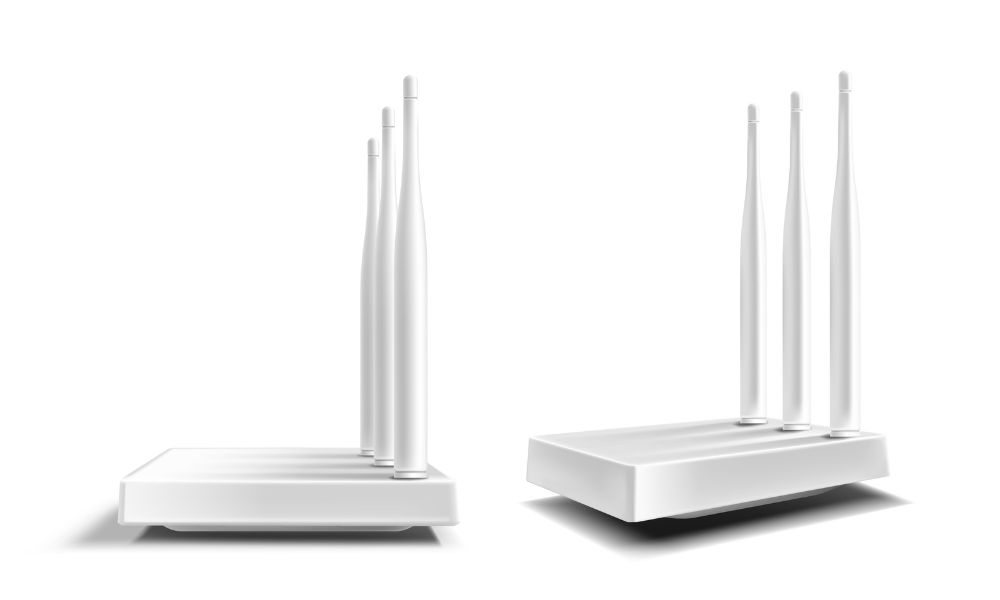
A battery-powered internet router is a device equipped with a built-in rechargeable battery or an external power backup system. Unlike standard routers that shut down immediately during a power cut, this router continues to operate using stored energy.
It acts just like a regular router but with an added advantage it keeps your Wi-Fi network running even when there is no electricity.
How Does It Work?
The working principle is simple yet effective. The router stores power in its battery while electricity is available. When a power outage occurs, it automatically switches to battery mode without interrupting the internet connection.
Here’s how the process typically works:
- The router remains plugged into a power source during normal conditions.
- Its internal battery gets charged simultaneously.
- As soon as the electricity goes off, the router switches to battery power instantly.
- Your internet connection continues without disruption.
Some advanced setups also include power backup for modems or fiber ONTs, ensuring the entire network chain remains active.
Key Benefits of Battery-Powered Routers
Uninterrupted Internet Access
The biggest advantage is continuous connectivity. You can stay online during power cuts without any manual intervention.
Ideal for Work from Home
Remote workers can continue video calls, file uploads, and communication without worrying about sudden disconnections.
Supports Online Learning
Students attending virtual classes won’t face interruptions due to electricity issues.
Backup for Business Operations
Small businesses and shops that depend on online billing or payment systems can avoid downtime and revenue loss.
Easy and Portable Solution
Many battery-powered routers are compact and easy to move, making them suitable for both home and travel use.
Types of Battery Backup Options
There are different ways routers can stay powered during outages:
Built-in Battery Routers
Some routers come with an internal battery, offering a clean and all-in-one solution.
External Power Backup (Mini UPS)
A mini UPS can be connected to your existing router and modem, supplying backup power when needed.
Power Banks for Routers
In some cases, compatible routers can even run on high-capacity power banks using USB support.
How Long Can It Run Without Electricity?
The backup time depends on the battery capacity and power consumption of the router. On average:
- Basic routers can run for 2 to 4 hours
- Advanced routers with larger batteries can last 6 to 8 hours or more
If you use a mini UPS or external battery system, backup duration can be extended further.
Who Should Consider Using It?
A battery-powered internet router is useful for many users:
Home Users
Perfect for families who rely on internet for entertainment, communication, and daily tasks.
Remote Professionals
Ensures work continuity during unexpected outages.
Small Businesses
Shops, clinics, and offices can maintain operations without interruptions.
Travelers and Field Workers
People working in remote areas or on the move can stay connected easily.
Important Features to Look For
When choosing a battery-powered router, consider these factors:
Battery Capacity
Higher capacity means longer backup time.
Fast Charging Support
Quick charging ensures the device is ready for the next outage.
Dual Power Input
Some routers support both direct power and backup simultaneously.
Compatibility with ISP Equipment
Make sure it can also support your modem or fiber device if needed.
Safety Protection
Look for features like overcharge and short-circuit protection.
Real-World Applications
Battery-powered routers are already making a difference in everyday situations. In areas with frequent power cuts, they help maintain continuous connectivity for households. Businesses use them to ensure that billing systems and customer service remain active.
They are also valuable during emergencies when communication is critical. Even during travel or outdoor work setups, these routers provide a reliable internet source without depending on constant electricity.
Limitations to Consider
While these routers are highly useful, they do have some limitations:
- Backup time is limited by battery capacity
- High-performance routers may consume more power
- Additional cost compared to standard routers
Despite these factors, the convenience and reliability they offer often outweigh the drawbacks.
The Future of Backup Connectivity
As reliance on internet connectivity continues to grow, battery-powered networking solutions are becoming more advanced. Newer devices offer longer battery life, faster charging, and better efficiency.
With increasing demand for uninterrupted connectivity, especially in regions with unstable power supply, these routers are quickly becoming a must-have rather than a luxury.
Conclusion
A battery-powered internet router is a simple yet powerful solution to one of the most common problems—losing internet during power cuts. By providing seamless backup, it ensures that your work, communication, and daily activities continue without interruption.
Whether you’re working from home, running a business, or simply staying connected, investing in a battery-powered router can give you peace of mind and reliable performance when electricity fails.
