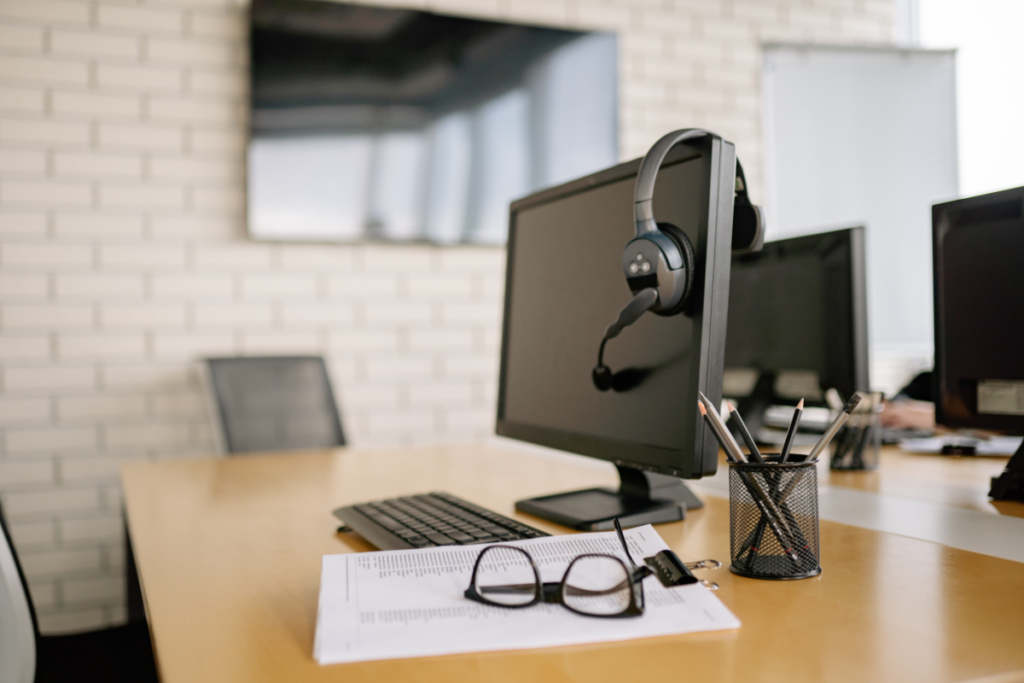
A modern workspace is no longer just about a desk and chair; it is about creating an environment that supports long hours of focused work without harming the body. One of the most overlooked yet powerful tools in this setup is a Monitor Riser. Whether you are working in an office, studying at home, or managing a hybrid setup, screen placement directly affects posture, comfort, and productivity. A poorly positioned screen forces the body into unnatural angles, leading to strain in the neck, shoulders, and spine. Over time, this discomfort reduces focus and efficiency. A Monitor Riser helps elevate the screen to eye level, encouraging a natural sitting position that aligns the spine and reduces fatigue. As more people shift towards desk-based jobs, understanding how a Monitor Riser improves physical health and mental performance has become essential for long-term productivity and well-being.
What a Monitor Riser Is and How It Works
A Monitor Riser is a simple ergonomic accessory designed to lift your computer screen to a more comfortable viewing height. It can be made of wood, metal, plastic, or even adjustable materials that allow customisation based on user needs. The main purpose of a Monitor Riser is to bring the top of the screen to eye level so that users do not need to bend their necks downward or upward for extended periods. This small adjustment significantly improves sitting posture. In most setups without a Monitor Riser, people tend to slouch or lean forward, which increases strain on the cervical spine. By placing the monitor on a raised platform, a Monitor Riser ensures that the user maintains a neutral head position. It also creates additional space beneath the monitor, which can be used for organising office supplies, keyboards, or documents, making the workspace more efficient and structured.
How a Monitor Riser Improves Posture Alignment
One of the biggest advantages of using a Monitor Riser is its direct impact on posture alignment. Poor posture is one of the leading causes of chronic neck and back pain among office workers. When a screen is too low, the body naturally bends forward, causing a condition often referred to as “tech neck”. A Monitor Riser corrects this issue by elevating the screen to a natural viewing angle. This encourages users to sit upright with shoulders relaxed and spine properly aligned. Over time, consistent use of a Monitor Riser helps train the body to maintain better posture even when away from the desk. It reduces pressure on the spinal discs and minimises muscle stiffness caused by long hours of sitting. Proper posture supported by a Monitor Riser not only prevents discomfort but also improves breathing and circulation, both of which are essential for sustained energy levels throughout the day.
Productivity Benefits of Using a Monitor Riser
A comfortable body leads to a focused mind, and this is where the Monitor Riser plays a crucial role in boosting productivity. When users are free from constant discomfort or the need to adjust their seating position, they can concentrate better on their tasks. A Monitor Riser reduces distractions caused by physical strain, allowing for deeper focus and improved workflow efficiency. Employees working in office environments often report that small ergonomic improvements, such as adding a Monitor Riser, lead to noticeable increases in output quality and speed. It also helps reduce mental fatigue, as the brain does not need to process continuous discomfort signals from the body. Over time, a Monitor Riser contributes to a more stable work rhythm, enabling longer periods of productive work without burnout or fatigue interruptions.
Ergonomics Science Behind a Monitor Riser
The effectiveness of a Monitor Riser is backed by ergonomic principles that focus on optimising human interaction with work environments. Ergonomics suggests that the top of the computer screen should be at or slightly below eye level to maintain a neutral neck position. A Monitor Riser helps achieve this alignment effortlessly. When the neck remains in a neutral position, the muscles in the upper back and shoulders experience less stress. Scientific studies on workplace ergonomics have shown that improper monitor height is directly linked to musculoskeletal disorders. By introducing a Monitor Riser, organisations can significantly reduce the risk of long-term injuries among employees. Additionally, ergonomic setups that include a Monitor Riser contribute to improved cognitive performance, as physical comfort is closely linked to mental clarity and decision-making ability.
Reducing Neck and Back Pain with a Monitor Riser
Chronic neck and back pain are common complaints among individuals who spend long hours in front of computers. A Monitor Riser addresses the root cause of this issue by correcting screen height and encouraging proper spinal alignment. Without a Monitor Riser, users often tilt their heads downward for extended periods, placing unnecessary pressure on the cervical spine. This repeated strain can lead to stiffness, headaches, and long-term musculoskeletal problems. A Monitor Riser minimizes these risks by ensuring that the screen remains at a comfortable eye level. As a result, the shoulders remain relaxed, and the lower back is supported more effectively by the chair. Over time, consistent use of a Monitor Riser can significantly reduce pain levels and improve overall physical comfort during work hours.
Monitor Riser and Eye Strain Reduction
Eye strain is another major issue faced by individuals working on screens for extended periods. A Monitor Riser helps reduce eye fatigue by positioning the screen at an optimal viewing angle and distance. When a screen is too low or too high, the eyes work harder to maintain focus, leading to dryness, irritation, and blurred vision. A properly adjusted Monitor Riser allows the user to maintain a straight gaze, reducing unnecessary eye movement and strain. This is particularly important for professionals who spend 6–10 hours daily in front of digital screens. By reducing eye strain, a Monitor Riser indirectly improves concentration and reduces the frequency of breaks needed during work, resulting in a smoother workflow and better efficiency.
Organising Workspace Efficiency with a Monitor Riser
A cluttered workspace can negatively affect focus and productivity, and a Monitor Riser helps solve this issue by creating additional storage space. The elevated platform of a Monitor Riser allows users to store keyboards, notebooks, or other office essentials underneath it, making the desk more organised. A clean and structured workspace promotes mental clarity and reduces distractions. Many modern Monitor Riser designs also include compartments, drawers, or cable management features that further enhance organisation. By improving desk layout, a Monitor Riser not only supports physical ergonomics but also contributes to a more professional and efficient working environment. This organisational benefit is especially valuable in small workspaces where maximising surface area is important.
Choosing the Right Monitor Riser for Your Needs
Selecting the right Monitor Riser depends on several factors such as desk size, monitor weight, and personal ergonomic needs. Some Monitor Riser models are fixed-height platforms, while others offer adjustable settings for greater flexibility. Material choice also matters; wooden Monitor Riser designs provide durability and aesthetics, while metal or plastic versions may offer lightweight portability. Users should also consider additional features such as storage space, cable management, and stability when choosing a Monitor Riser. A well-chosen Monitor Riser should comfortably support the monitor at eye level without wobbling or taking up excessive desk space. Investing in a high-quality Monitor Riser ensures long-term ergonomic benefits and improved productivity.
Common Mistakes and Misconceptions About Monitor Riser Use
Despite its benefits, many users either misuse or underestimate the importance of a Monitor Riser. One common mistake is setting the Monitor Riser too high or too low, which defeats its ergonomic purpose. Another misconception is that only people with back pain need a Monitor Riser, whereas in reality, it is a preventive tool for everyone who works on a computer. Some users also believe that expensive ergonomic chairs alone are enough, but without proper screen height adjustment using a Monitor Riser, posture issues can still persist. It is important to understand that a Monitor Riser works best when combined with proper chair height, keyboard placement, and regular breaks. Correct usage ensures maximum benefit and long-term comfort.
Conclusion: Why a Monitor Riser is Essential for Modern Work Life
A Monitor Riser is more than just a desk accessory; it is a fundamental ergonomic tool that significantly improves posture, productivity, and overall workplace comfort. By elevating the screen to eye level, a Monitor Riser reduces strain on the neck, shoulders, and eyes while promoting a healthier sitting position. It also enhances productivity by minimising physical discomfort and allowing users to focus better on their tasks. Additionally, a Monitor Riser helps maintain an organised and efficient workspace, which further contributes to mental clarity and workflow efficiency. In today’s screen-heavy work culture, investing in a Monitor Riser is a simple yet highly effective step towards long-term health and improved professional performance.
