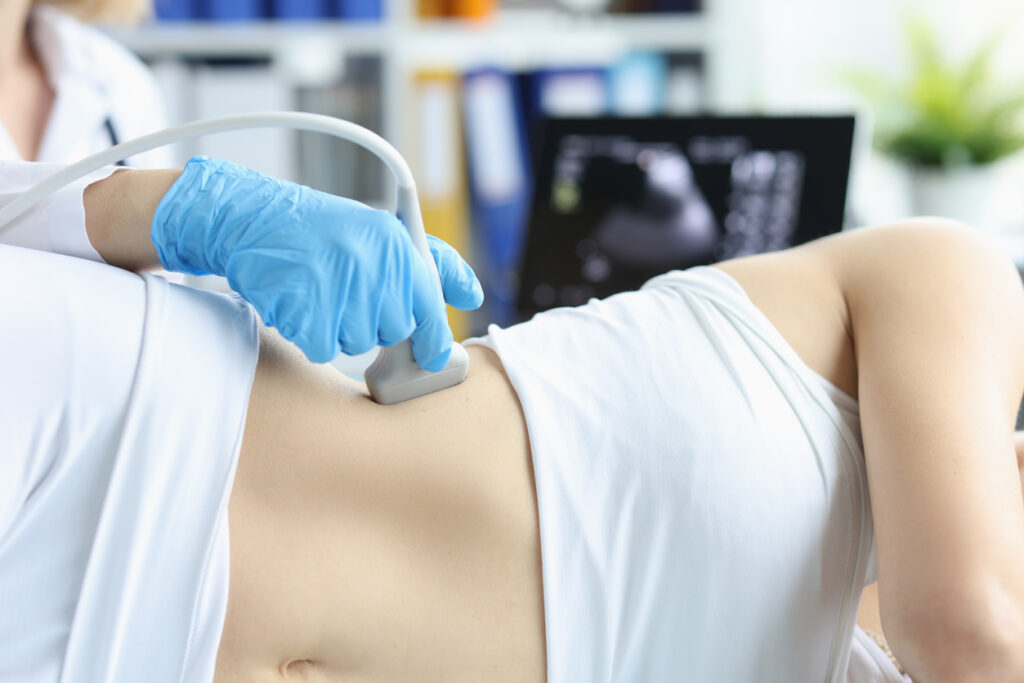
FibroScan testing is an FDA-approved non-invasive diagnostic device that laboratories use to measure liver scarring or fibrosis caused by a number of liver diseases. This test is an outpatient scan that allows for quick and painless testing and offers a non-surgical alternative to the traditional liver biopsy used to assess liver damage in cases of conditions like cancer and cirrhosis.
Although FibroScan cannot accurately confirm or rule out cancer, its accuracy for generally assessing liver health is quite popular among doctors and health experts. As per the United Kingdom’s National Health Service, around one in ten cases make it difficult to obtain the scan result, because certain conditions may interfere with it, leading to unambiguous findings. It includes ascites or a build-up of fluid in the abdomen, scarring from previous surgeries or radiation treatment, obstructions inside the bile ducts, and more. Furthermore, inflammation in the liver or congestion may also produce results that are too high. If the results of this scan are not clear or the doctor still suspects inaccuracy, they may recommend a liver biopsy to confirm the diagnosis.
According to some pieces of evidence, the measurement of this scan may be different in individuals with a higher BMI. That said, the findings may be subjective. And although Fibroscan test is unable to detect liver cancer by itself, it may help detect stiffness, scarring, or buildup of fat in the liver. If you experience these symptoms, it may be a sign of liver damage, which may also increase the risk of developing cancer.
If you already have liver cancer, which hasn’t been diagnosed as yet, the FibroScore results will show a high score. The only way to confirm the cause of the high score is through additional tests. In case of cancer suspicion, you may need a liver biopsy.
In the best practice, discuss the pros and cons of this test with your doctor, and opt for it only when they order the test.
