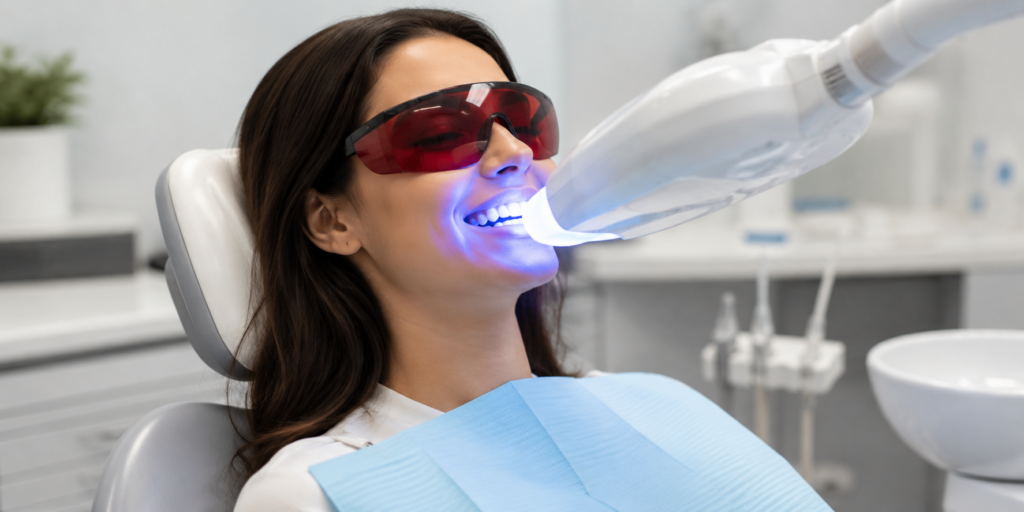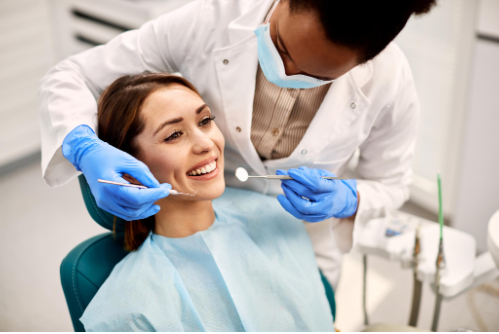
A teenager preparing for an important school event wants to correct overlapping teeth without wearing visible braces. An adult professional has a similar concern but worries about managing orthodontic appointments alongside work commitments. Both situations reflect a change in how people approach teeth straightening. Invisalign clear aligners have introduced a treatment method that combines customised dental appliances, digital planning, and removable trays, changing how suitable orthodontic cases are managed.
From Fixed Brackets To Removable Appliances
Traditional orthodontic treatment relies on brackets attached to teeth and connected by wires. These components apply pressure to guide teeth into planned positions, but they remain attached throughout treatment. Patients need to pay attention to food choices, cleaning around brackets, and adjustments during scheduled appointments.
Clear aligners follow a different method. Instead of fixed components, patients receive a sequence of transparent trays designed to fit their teeth. Each tray applies controlled pressure to selected areas, encouraging gradual movement according to a professionally developed treatment plan.
This change gives patients more flexibility in everyday activities. Aligners can generally be removed while eating, drinking anything other than water, and brushing. However, their removable nature also introduces responsibility because treatment depends heavily on following the prescribed wearing schedule.
Digital Scanning Changes The First Appointment
Orthodontic treatment traditionally involved physical impressions that captured the shape and arrangement of teeth. Digital scanning has introduced another way to collect this information. An intraoral scanner captures detailed images of dental surfaces and creates a digital representation that practitioners can examine. This technology can also help assess concerns related to an invisible line for teeth treatment.
These scans help orthodontic professionals evaluate crowding, spacing, tooth rotation, and other alignment concerns. The digital records can also support communication between the practitioner and patient by showing existing dental conditions in greater detail. This makes the initial assessment more informative.
Digital records provide a foundation for treatment planning, but they do not independently determine the right solution. A clinical examination remains necessary to evaluate gum health, bite relationships, and other factors that influence orthodontic suitability.
Tooth Movement Becomes A Planned Sequence
One important difference between aligners and conventional braces is the way treatment is organised. Clear aligner therapy uses multiple trays, with each one designed to produce specific changes in tooth positioning. Patients move to the next set according to the schedule provided by their orthodontic professional.
The sequence is developed by considering the starting position of each tooth and the intended movement. Some teeth may need to rotate, while others require adjustments in spacing or alignment. Depending on the case, attachments may also be placed on selected teeth to help the trays control particular movements.
This structured process allows treatment progress to be reviewed at different stages. If the teeth do not respond as expected, the practitioner may recommend refinements or changes to the original plan. Such supervision is important because actual tooth movement can differ from digital predictions.
Daily Removability Introduces New Responsibilities
Being able to remove orthodontic appliances changes the patient’s daily routine, but convenience should not be confused with unrestricted use. Invisalign clear aligners generally need to remain in place for approximately 20 to 22 hours daily, although the exact schedule depends on professional instructions.
Removing them for meals makes eating easier because patients do not have to avoid many of the food restrictions associated with fixed braces. However, frequent removal or forgetting to wear the trays can interrupt the planned movement sequence. Consistency is therefore an essential part of treatment.
Cleaning habits also require attention. Patients should brush their teeth before reinserting aligners and clean the trays using the recommended method. Poor hygiene can allow bacteria and food residues to accumulate, affecting both appliance cleanliness and oral health.
The Limits of Clear Aligner Therapy
Although transparent trays offer several advantages, they are not suitable for every orthodontic condition. Mild to moderate crowding and spacing concerns may be manageable with aligners, while complicated bite problems or significant tooth movements may require alternative approaches.
An orthodontic assessment helps identify these limitations before treatment begins. Practitioners examine the relationship between the upper and lower jaws, the condition of supporting tissues, existing dental restorations, and the amount of movement required. These details influence whether removable appliances are an appropriate choice.
Patients should also understand that clear aligners do not automatically produce faster results than conventional braces. Treatment duration depends on case complexity, biological response, and cooperation. A realistic plan is more valuable than selecting an appliance based only on appearance or convenience.
Early Dental Monitoring Supports Growing Smiles
Orthodontic changes are not limited to adults and teenagers. Children’s teeth and jaws continue developing as permanent teeth gradually replace baby teeth. Monitoring this transition helps dental professionals identify spacing concerns, unusual eruption patterns, and bite irregularities.
Parents searching for a pediatric dentist in Bangalore should look for professionals who understand childhood dental development and preventive care. Regular examinations can help identify concerns early and determine whether a child needs observation, habit management, or an orthodontic referral.
Early assessment does not necessarily mean that treatment must begin immediately. In many cases, monitoring growth and dental development is sufficient until the appropriate stage for intervention. The timing depends on the child’s individual condition and the nature of the concern.
Conclusion
Clear aligners have changed orthodontic treatment by introducing digital planning, removable appliances, and a more flexible daily experience for suitable patients. Nevertheless, their effectiveness depends on proper case selection, professional supervision, and consistent use. Understanding these factors helps patients approach treatment with realistic expectations.
Before making a decision, individuals should discuss their dental concerns, treatment alternatives, expected duration, and maintenance requirements with a qualified professional. A well-planned approach considers both the appearance of the smile and the functional health of the teeth.
With orthodontic consultations, digital dental technology, and specialised care available at The Silverline Dentistry in Bengaluru, patients can explore treatment options suited to their dental requirements. The right approach begins with understanding how each method works and whether it addresses the individual’s long-term oral health needs.