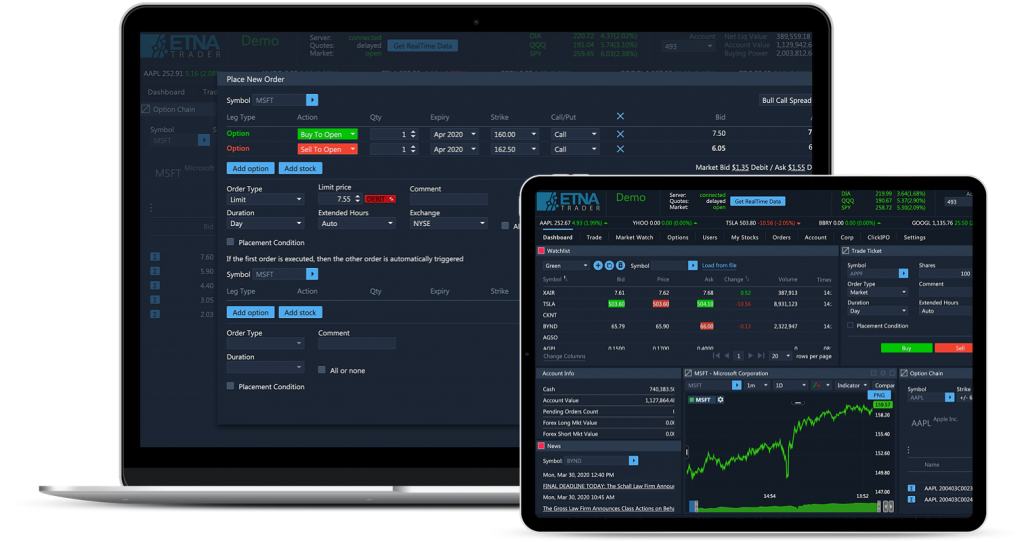
Financial markets generate a constant flow of price movements, economic developments, and market signals. For traders, making sense of this information can become difficult when analysis depends on disconnected tools or limited data. Digital trading solutions bring essential resources into a more organised environment, helping traders examine markets, compare information, and build a clearer analytical process.
An online platform for trading can combine market access with charting tools, technical indicators, real-time pricing, and other resources that support research. Rather than using technology simply to place trades, traders can use it as an analytical workspace. These capabilities show how digital solutions can make market analysis more structured, accessible, and efficient.
Understanding Digital Trading Solutions
Digital trading solutions connect traders with financial markets while providing tools for monitoring and analysing market activity. Modern platforms can support access to multiple asset classes, including, indices, commodities, shares, and other instruments. Having several markets available through one environment can make comparative analysis more convenient.
The value of these solutions extends beyond convenience. A centralised environment allows traders to organise market information, examine price behaviour, and use analytical features without constantly switching between separate systems. This can create a smoother research process and help traders focus on information relevant to their strategies.
Building a Clearer Market Analysis Process
Effective analysis begins with identifying the market being studied and understanding the factors influencing its movement. Traders may examine price trends, historical behaviour, economic developments, and market sentiment before forming an opinion. Digital tools can make these stages easier to organise by providing different forms of information within one connected environment.
-
Reviewing Live Market Prices
Real-time pricing gives traders an updated view of market conditions. Monitoring live prices can help users recognise changing movements and compare the behaviour of different instruments.
-
Studying Historical Price Behaviour
Historical data provides context for current movements. Reviewing previous price patterns can help traders understand how an instrument has behaved across different market conditions.
-
Comparing Multiple Markets
Access to several asset classes allows traders to compare market movements. This can provide additional context when evaluating currencies, commodities, indices, and shares.
-
Following Economic Events
Economic developments can influence market sentiment and price activity. Economic calendars help traders identify scheduled events that may require closer market observation.
-
Organising Relevant Information
A well-organised workspace can bring charts, watchlists, and market information together. This reduces unnecessary movement between different research resources and supports a consistent analytical routine.
Technical Tools That Strengthen Market Research
Technical analysis provides another layer for understanding financial markets. Charts can reveal price patterns, while indicators can help traders study momentum, trends, and potential changes in market behaviour. Using several analytical perspectives can provide more context than depending on a single indicator.
Modern trading environments can provide advanced charting and technical analysis capabilities, including multiple timeframes and a broad selection of indicators. These tools allow traders to examine price behaviour according to different analytical approaches and trading preferences.
Turning Market Data Into Useful Insights
Having access to market data is only the starting point. Traders need to organise and interpret information to identify meaningful patterns and understand changing market conditions. Digital trading solutions provide analytical features that can make this process more structured and easier to manage.
- Trend identification
- Momentum analysis
- Support and resistance levels
- Multiple timeframe comparison
- Historical price patterns
These tools can help traders view market behaviour from different perspectives. Combining several analytical signals can provide a broader basis for evaluating market movements and developing a more structured approach.
Real-Time Connectivity and Smarter Market Monitoring
Market analysis is not limited to historical charts. Financial conditions can change quickly when economic announcements, policy decisions, or unexpected developments affect investor sentiment. An online platform for trading can provide real-time connectivity, allowing traders to monitor these changes while keeping relevant market information accessible within their trading environment.
An integrated platform can also reduce the effort involved in tracking multiple instruments. Live prices, charts, market news, and watchlists can be arranged according to individual preferences, helping traders focus on the markets they consider most important.
Features That Improve Analytical Efficiency
The usefulness of a digital trading environment depends partly on how easily traders can access and organise its analytical features. A platform that combines several functions can help create an efficient workflow from initial market observation through detailed analysis.
- Real-time market prices
- Advanced interactive charts
- Multiple analytical timeframes
- Technical indicators
- Economic calendar access
These features can help traders organise their research without relying on numerous disconnected tools. A centralised process can make it easier to compare information and maintain consistency in market analysis.
Supporting Analysis Across Different Devices
Market analysis can take place in different settings, making device flexibility an important part of digital trading technology. Desktop platforms can provide a larger workspace for detailed chart analysis, while web and mobile access can make it easier to monitor markets away from a primary workstation.
Access across supported devices allows traders to maintain their trading environment according to their preferred routine. This flexibility can be particularly useful when traders need to monitor changing market conditions without remaining tied to one location.
Conclusion
Digital trading solutions have made market analysis more connected by bringing pricing information, technical tools, economic resources, charting capabilities, and multi-device access into integrated environments. When used thoughtfully, these features can help traders study market movements from multiple perspectives rather than relying on isolated information. An Islamic account can also be considered by traders looking for account options that suit their individual requirements and trading preferences.
For traders seeking a comprehensive digital environment, Riyadex provides access to multiple asset classes through MetaTrader 5 and supports advanced market analysis tools. Its combination of market access, analytical technology, educational resources, and trading functionality creates an environment designed to support organised research and informed trading decisions.
