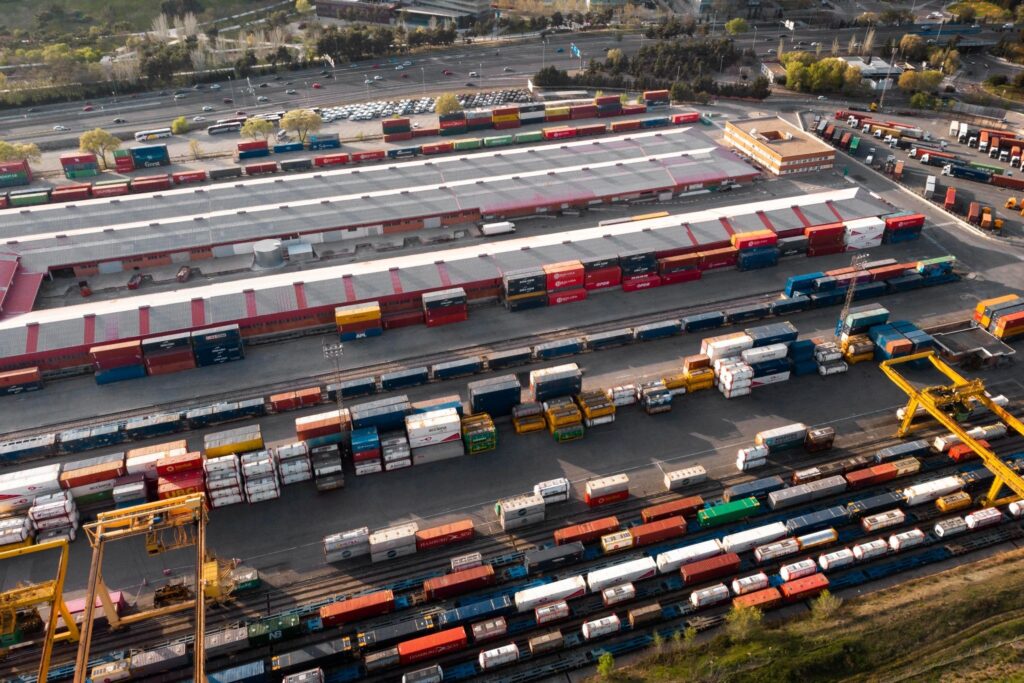
Keeping transportation costs under control is one of the biggest challenges for businesses that ship goods across Canada and the United States. Rising fuel prices, driver shortages, and increasing freight demand have made companies look for smarter ways to move cargo without affecting delivery schedules. One solution that continues to gain attention is intermodal transportation Canada.
Intermodal transportation combines multiple modes of transportation primarily trucks and rail to move freight efficiently. By using each mode where it performs best, businesses can lower shipping costs while maintaining reliable transit times. Whether you ship retail products, manufacturing materials, food products, or industrial equipment, intermodal shipping offers a practical way to improve your supply chain.
This guide explains how intermodal transportation works, why it reduces freight expenses, and why more Canadian businesses are choosing it for long-distance shipping.
What Is Intermodal Transportation?
Intermodal transportation is the movement of freight using two or more transportation methods without unloading the cargo from its shipping container. In most cases, freight is picked up by a truck, transferred onto a rail network for the long-distance journey, and then delivered by truck to its final destination.
Because the freight remains inside the same container throughout the trip, handling is minimized. This reduces the risk of product damage while making the shipping process more efficient.
How Intermodal Transportation Canada Reduces Shipping Costs
Lower Fuel Expenses
Fuel is one of the largest transportation costs for any business. Rail transportation consumes significantly less fuel than trucks over long distances. Since trains can move large volumes of freight using less fuel per ton, businesses save money on transportation costs.
For shipments traveling across provinces, using rail for the longest portion of the trip creates substantial cost savings.
Better Equipment Utilization
Instead of relying on a truck for the entire journey, trucking companies can use rail for the long-distance segment while trucks focus on local pickup and final delivery.
This allows transportation providers to use their fleet more efficiently, reducing unnecessary mileage and operating costs.
Reduced Highway Tolls and Maintenance Costs
Long-distance trucking increases expenses related to vehicle maintenance, tire replacement, repairs, and highway tolls.
By shifting much of the journey to rail, businesses reduce wear and tear on transportation equipment. Lower maintenance costs often translate into more competitive freight rates.
Lower Labour Costs
Driver wages are another significant expense in freight transportation.
Rail moves hundreds of containers with a much smaller crew compared to moving the same amount of freight entirely by truck. As a result, transportation providers can reduce labour-related costs while maintaining dependable service.
Efficient Long-Distance Shipping
For shipments moving between major Canadian cities such as Vancouver, Calgary, Winnipeg, Toronto, and Montreal, rail provides a cost-effective solution.
The longer the shipping distance, the greater the opportunity to reduce transportation costs through intermodal shipping.
Reduced Cargo Handling
Every time freight is loaded or unloaded, there is a chance of product damage or shipment delays.
Since intermodal transportation keeps cargo inside the same container during transfers, handling is minimized. This lowers the risk of damaged goods and helps businesses avoid replacement .
Improved Capacity During Peak Shipping Seasons
During busy periods, truck availability may become limited, leading to higher freight rates.
Rail networks provide additional transportation capacity, allowing businesses to move freight more consistently even during peak demand. This helps stabilize transportation costs throughout the year.
Additional Business Benefits Beyond Cost Savings
While reducing expenses is one of the biggest advantages, intermodal transportation Canada offers several additional benefits.
Reliable Transit Times
Rail schedules are generally consistent, helping businesses better plan inventory and delivery timelines.
Environmental Benefits
Rail transportation produces fewer greenhouse gas emissions than long-haul trucking. Companies looking to reduce their environmental impact often choose intermodal shipping as part of their sustainability strategy.
Better Supply Chain Visibility
Modern intermodal providers use GPS tracking and shipment monitoring systems, allowing businesses to track freight throughout the transportation process.
Increased Shipping Flexibility
Intermodal transportation supports many types of freight, including consumer goods, packaged food, manufacturing materials, retail inventory, and industrial products.
Which Businesses Benefit Most?
Many industries can reduce shipping expenses by using intermodal transportation.
These include:
- Retail and e-commerce
- Manufacturing
- Food and beverage distribution
- Automotive suppliers
- Consumer packaged goods
- Building materials
- Industrial equipment
- Agricultural products
Businesses that regularly move freight over long distances typically see the greatest cost savings.
Why Choose SRT Logistics Inc?
Selecting the right logistics partner is just as important as choosing the right transportation method.
At SRT Logistics Inc, we provide dependable intermodal transportation solutions across Canada and cross-border shipping into the United States. Our experienced logistics team works with businesses of all sizes to develop efficient shipping plans that help reduce transportation costs while maintaining reliable delivery schedules.
Frequently Asked Questions
What is intermodal transportation in Canada?
Intermodal transportation in Canada combines multiple transportation methods, such as trucks and rail, to move freight using the same shipping container from origin to destination.
Is intermodal transportation cheaper than trucking?
For long-distance shipments, intermodal transportation is often more cost-effective because rail transportation reduces fuel, labour, and equipment expenses.
What products can be shipped using intermodal transportation?
Many types of freight can be shipped, including consumer goods, food products, retail inventory, manufacturing materials, industrial equipment, and packaged goods.
Is intermodal transportation suitable for small businesses?
Yes. Small and medium-sized businesses can benefit from intermodal transportation, especially when shipping goods over long distances or shipping regularly.
Conclusion
Reducing freight costs doesn’t have to mean sacrificing service quality. By combining the efficiency of truck and rail transportation, intermodal transportation Canada helps businesses lower fuel expenses, reduce equipment wear, minimize cargo handling, and maintain reliable delivery schedules. If you’re looking for a dependable logistics partner, SRT Logistics Inc is ready to support your shipping needs with intermodal transportation, truckload, less-than-truckload, warehousing, and cross-border freight solutions across Canada and the United States. Contact our team at 6047554535 or visit us at 2677 Mount Lehman Rd, Abbotsford, BC V4X 2N2, Canada to learn how we can help your business improve logistics efficiency while reducing transportation costs.