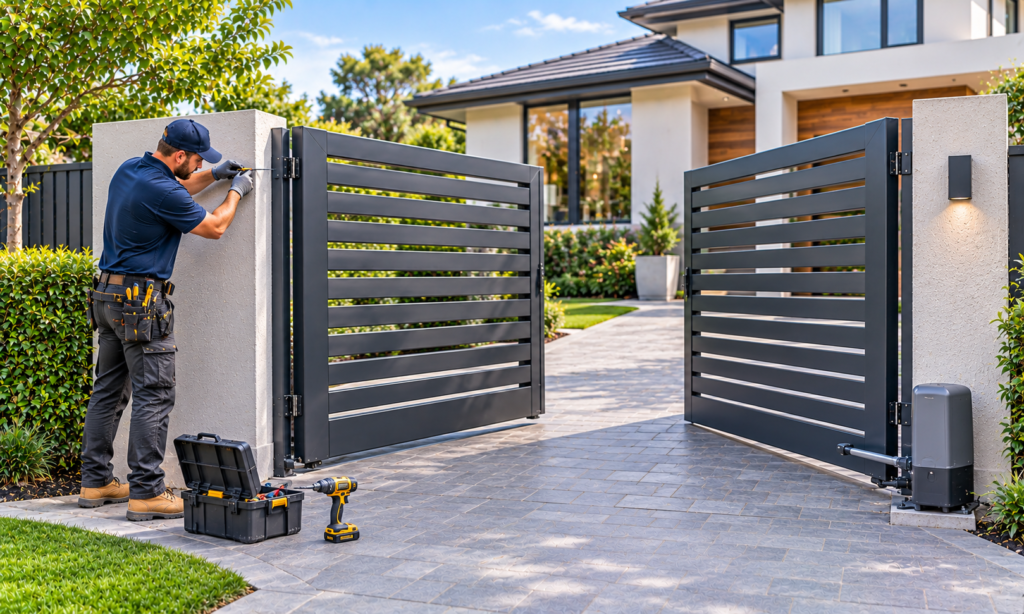
Installing a swing gate is a great way to improve the security, privacy, and appearance of your property. Whether you want to add a gate to your home driveway or secure the entrance to a commercial property, choosing the right gate can make everyday access easier and give your property a neat and attractive look. However, before starting the project, many property owners want to know how much time the installation will take.
The time needed to install a swing gate depends on several things, such as the gate’s size, material, design, ground conditions, and whether you choose a manual or automatic system. Some basic installations can be completed in one day, while larger or more detailed projects may take several days. Knowing what affects the installation time can help you plan your project and avoid unexpected delays.
How Much Time Does Swing Gate Installation Usually Take?
A standard swing gate installation generally takes around one to two days when the site is ready. However, the exact time depends on the type of gate, the property’s layout, and any extra work needed before fitting.
A small manual gate may take only a few hours to install, while a large automatic gate can require more time because of its motor, wiring, and safety features.
Some common factors that affect the installation time include:
- Gate size and overall design.
- Material used for the gate.
- Condition of the driveway and ground.
- Manual or automatic opening system.
- Need for new posts or concrete foundations.
- Removal of an existing gate or fence.
A site inspection before the work begins helps installers understand the project and provide a more realistic time estimate.
Factors That Affect Swing Gate Installation Time
Every property has different requirements. Some installations are simple, while others need extra preparation and careful fitting. Here are some important factors that can affect how long the work takes.
1. Size and Style of the Gate
The size and style of your swing gate can make a difference in the installation time. A small single swing gate is usually easier to fit than a large double swing gate.
Larger gates need stronger support posts, suitable hinges, and enough space to open and close properly. Custom gate designs may also require extra time for measuring, preparing, and fitting the different parts.
Before selecting a design, consider:
- Single or double swing gate options.
- Gate height and driveway width.
- Modern or decorative designs.
- Opening direction and available space.
- Custom shapes and sizes.
Choosing a suitable design before installation helps avoid changes that could delay the work.
2. Type of Gate Material
The material you select also affects how easily the gate can be handled and installed. Different materials have different weights, strengths, and fitting requirements.
For example, aluminium gates are lightweight and easy to handle, while steel gates are heavier and may need stronger posts and hinges. Timber gates may also require extra preparation and finishing.
Some popular gate materials include:
- Aluminium: Lightweight, durable, and suitable for modern properties.
- Steel: Strong and suitable for properties that need added security.
- Timber: Offers a natural look and works well with many home styles.
- Wrought Iron: Provides a traditional appearance with decorative details.
The installer must make sure the supporting structure can handle the gate’s weight. Choosing the right material can also help reduce fitting problems.
3. Driveway and Ground Conditions
The condition of the driveway and ground is another important factor. If the installation area is level and ready, the work can usually be completed faster.
However, uneven ground, sloping driveways, loose soil, or damaged concrete may require extra preparation. Installers may need to level the area, dig holes, or create new foundations before fitting the gate.
Some preparation work may include:
- Clearing the installation area.
- Removing old posts or damaged structures.
- Preparing holes for support posts.
- Creating concrete foundations.
- Checking ground clearance and opening space.
In Melbourne, driveway layouts and ground conditions can vary between properties. A proper inspection helps identify possible problems before installation starts.
4. Manual or Automatic Swing Gate System
The type of opening system also affects the time needed for installation.
A manual swing gate is generally quicker to install because it mainly requires posts, hinges, gate panels, and a locking system.
An automatic swing gate needs additional parts, including motors, control units, wiring, and safety sensors. These components must be fitted and tested to make sure the gate works correctly.
If you are planning to install an automatic system, the installer may also need to check the power supply and choose a motor that matches the gate’s size and weight.
What Are the Main Steps in Swing Gate Installation?
Swing gate installation involves several steps. Each stage needs proper attention to make sure the gate is secure, balanced, and easy to operate.
1. Site Inspection and Measurements
The first step is checking the property and measuring the entrance. Installers look at the driveway width, ground level, available space, and opening direction.
They also check whether the gate can open without hitting a vehicle, wall, fence, or other nearby object.
Correct measurements help prevent fitting problems and make the installation process easier.
2. Preparing the Installation Area
After taking measurements, the installation area is prepared. This may involve removing an old gate, clearing obstacles, marking post positions, and preparing the ground.
If new posts are required, holes are dug, and concrete foundations may be installed. The concrete needs enough time to set before the gate can be attached securely.
This stage can add extra time to the project, depending on the ground conditions and foundation requirements.
3. Fitting the Posts and Hinges
The support posts hold the weight of the gate and help it stay in the correct position. They must be installed securely and aligned properly.
Once the posts are ready, installers attach the hinges and other fittings. Correct hinge placement helps the gate move smoothly and prevents it from dragging along the ground.
4. Installing the Gate Panels
After preparing the supporting structure, the gate panels are attached to the hinges.
Installers check the spacing, opening direction, and ground clearance. They also make adjustments to ensure both sides move properly without creating unnecessary pressure on the hinges.
5. Setting Up the Automatic System
If you choose an automatic swing gate, the motor and control system are fitted during this stage.
This work may include:
- Installing the gate motors.
- Connecting the required power supply.
- Setting up remote controls.
- Fitting safety sensors.
- Adjusting opening and closing limits.
The system is then checked to make sure the gate opens and closes correctly.
6. Final Testing and Adjustments
The final step is testing the complete gate system. Installers check the hinges, movement, locking system, and overall stability.
For automatic gates, they also test the motor, remote controls, and safety features. Any small problems are corrected before the installation is completed.
How Long Does Automatic Swing Gate Installation Take?
Automatic swing gates usually need more installation time than manual gates because they have additional mechanical and electrical parts.
A standard automatic swing gate may take around one to three days, depending on the gate design, site conditions, and electrical requirements.
Double swing gates may need two motors, with both sides set up to open and close in the correct order. If new wiring or additional safety features are required, the work may take longer.
Before choosing an automatic system, make sure the motor is suitable for the gate’s weight, size, and daily use. The right motor can help the gate operate smoothly and reduce unnecessary wear.
Can Melbourne Weather Affect Installation Time?
Yes, weather conditions can sometimes delay outdoor gate installation. Melbourne weather can change quickly, and heavy rain or strong winds may affect certain stages of the work.
For example, wet ground can make digging and foundation preparation more difficult. Rain may also affect concrete work, while strong winds can make it harder to handle large gate panels safely.
Some work can continue in light rain, but certain tasks may need to be delayed until conditions improve.
If you are planning a new swing gate, it is a good idea to allow some extra time in your schedule for unexpected weather changes.
How Can You Avoid Delays During Installation?
A little preparation before the installation date can help the work move forward without unnecessary interruptions.
Here are some simple ways to prepare:
- Finalise the gate design, size, and material early.
- Clear vehicles and other items from the driveway.
- Make sure installers have access to the work area.
- Discuss electrical requirements for automatic gates.
- Arrange the removal of an old gate in advance.
- Inform the installer about uneven ground or driveway slopes.
Sharing your requirements before the installation starts helps the team bring the right materials and tools.
Why Is Professional Swing Gate Installation Important?
Installing a swing gate requires proper measurements, secure support posts, suitable hinges, and correct alignment. Even a small fitting mistake can affect the gate’s movement and cause problems over time.
Experienced installers understand how different gate materials and opening systems work. They can also help you select the right design and hardware based on your property’s layout.
Professional installation can offer several benefits:
- Smooth opening and closing movement.
- Better security and access control.
- Proper support for heavy gate panels.
- Reliable performance of automatic systems.
- Fewer fitting problems and future repairs.
Getting the installation done correctly from the beginning can help your swing gate last longer and work properly with regular maintenance.
Final Thoughts
So, how long does it take to install a swing gate in Melbourne? A basic residential swing gate may take around one day, while larger double gates, automatic systems, and custom designs can take two to four days or longer. The final timeline depends on the gate type, ground conditions, foundation work, and other installation requirements.
Before starting your project, arrange a site inspection and discuss your preferred design, material, and opening system with an experienced installer. This will help you understand the work involved and get a suitable installation schedule.
For reliable gate solutions and professional guidance, you can explore iGate Automation. Choosing the right gate and ensuring it is installed correctly can help improve your property’s security, appearance, and everyday convenience. With proper planning and skilled installation, you can enjoy a swing gate that suits your property and provides smooth operation for years to come.