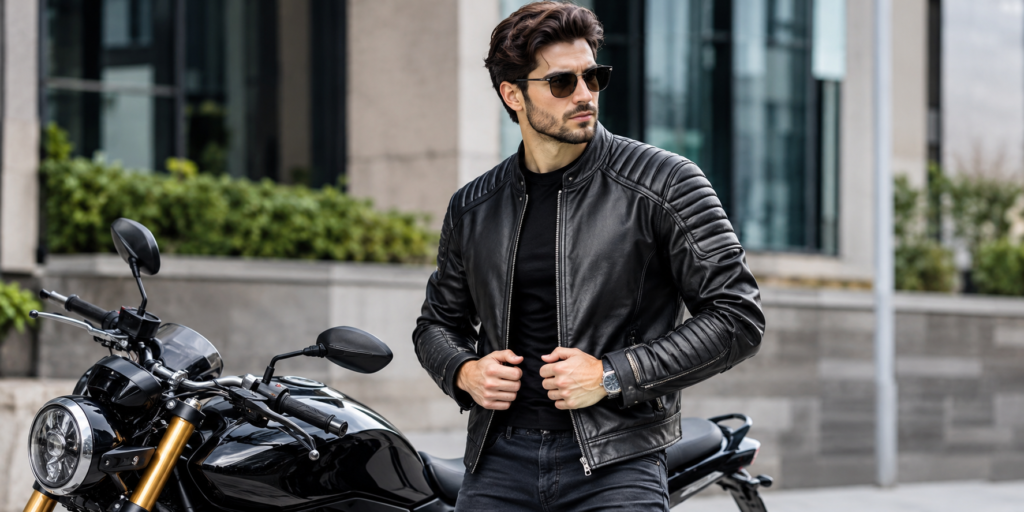
Motorcycle clothing has changed significantly over the years. Riders no longer choose jackets only because they look attractive or match their motorcycles. Today, they also consider comfort, protection, weather conditions, durability, and how easily their riding gear fits into everyday life. A well designed jacket can make regular journeys more comfortable while helping riders prepare for changing road conditions.
Choosing suitable riding apparel requires more attention than simply selecting a popular design. The material, stitching, fit, protective features, and overall construction all influence how a jacket performs. Some riders travel long distances every week, while others mainly use motorcycles for short city journeys. Their clothing requirements can be quite different.
Understanding these differences makes it easier to select riding gear that offers practical value. Rather than following temporary fashion trends, riders should focus on products that support their individual riding habits and provide a comfortable experience throughout the journey.
Why Motorcycle Clothing Deserves More Attention
Motorcycle riding exposes people to environmental conditions that are different from those experienced inside a car. Wind pressure, changing temperatures, road debris, and unexpected weather can affect comfort during a journey. Ordinary clothing may not provide the same coverage or construction as apparel specifically developed for motorcycling.
A suitable riding jacket helps create a protective outer layer between the rider and the surrounding environment. However, not every fashionable jacket is designed for motorcycle use. Riders should understand the difference between casual leather clothing and motorcycle specific apparel before making a purchase.
There are several reasons why choosing appropriate riding clothing matters:
- It provides additional coverage for the upper body.
- It can help reduce discomfort caused by wind and changing temperatures.
- Purpose built designs may include pockets for protective inserts.
- Strong construction can support regular use.
- A suitable fit helps maintain comfort while riding.
These features should be considered together instead of judging a jacket by appearance alone.
Understanding Leather Quality and Jacket Construction
Leather is a popular material in motorcycle clothing because of its distinctive appearance, durability, and traditional association with riding culture. Nevertheless, leather products are not all manufactured in the same way. Different leather types, thicknesses, finishing processes, and construction methods can produce noticeably different results.
Cowhide is commonly used in motorcycle apparel because it can provide a substantial material structure. Goatskin is another option, often appreciated for its flexibility and distinctive texture. Other leather varieties may also be used depending on the manufacturer’s design and intended purpose.
Full Grain and Top Grain Leather
Full grain leather retains the natural outer surface of the hide. It is often valued for its natural texture and ability to develop character with use. Small natural marks may remain visible, making individual pieces slightly different from one another.
Neither label should automatically replace a closer inspection of the finished product. Buyers should consider construction, lining, thickness, and product information before deciding.
Why Stitching and Seams Matter
A leather jacket may look impressive from the outside, but its construction deserves equal attention. Seams experience regular movement whenever a rider bends their arms, turns their shoulders, or changes position on the motorcycle.
Consistent stitching, reinforced stress areas, and properly finished edges can contribute to the overall quality of a garment. Buyers should examine the sleeves, shoulders, side panels, and main closure area when evaluating a product.
For motorcycle specific clothing, reinforced construction and appropriate protective features are particularly important. However, attractive stitching alone does not establish that a jacket has been tested or certified for impact protection.
Selecting a Jacket According to Riding Habits
Different riders have different expectations from their clothing. Someone commuting through busy streets may prioritize flexibility and convenient storage, while a person planning regular highway journeys may look for additional protective features and better weather management.
City riders often benefit from practical designs that are easy to wear and remove. Highway riders may prefer a more secure fit that remains comfortable at higher speeds. Weekend riders might place greater importance on appearance, versatility, and the ability to wear their jacket away from the motorcycle.
The Importance of Fit and Movement
Fit is one of the most overlooked parts of motorcycle clothing selection. A jacket that looks perfect while standing still may become uncomfortable when the rider sits on a motorcycle. Tight shoulders, restricted elbows, and sleeves that move out of position can affect the overall experience.
Motorcycle jackets should allow natural movement without becoming excessively loose. Riders should check the fit while sitting in a position similar to their normal riding posture.
Pay attention to the following areas:
- Shoulders: They should allow natural arm movement without excessive pulling.
- Sleeves: Their length should provide suitable coverage when reaching the handlebars.
- Chest: The jacket should close comfortably without unnecessary pressure.
- Waist: Adjustable features can help improve the fit.
- Neck: The collar should feel comfortable and should not create irritation.
Trying a jacket with the clothing normally worn underneath can also help identify sizing issues.
Protective Features Every Rider Should Understand
Appearance and comfort are important, but protective construction deserves serious consideration when selecting motorcycle apparel. A motorcycle jacket designed for riding may include features such as abrasion resistant materials, reinforced panels, and pockets for protective inserts.
Some products are designed to accommodate shoulder, elbow, and back protectors. However, buyers should confirm whether these components are included or sold separately. They should also check whether the protective equipment meets recognized testing standards.
In Europe, EN 17092 is a recognized standard covering protective garments for motorcycle riders. Different garment classes indicate different levels of performance under the standard. Buyers should look for genuine certification information instead of relying on general marketing descriptions.
How Leather Jackets Combine Practicality With Personal Style
Leather motorcycle clothing has remained popular because it combines a recognizable riding appearance with everyday fashion. Traditional black jackets are still widely appreciated, but modern collections offer different colors, finishes, collar styles, and design details.
For riders exploring different cuts, materials, and designs, men motorcycle leather jackets offer a useful starting point for comparing options intended for men’s riding and fashion preferences.
When comparing products, examine their descriptions carefully. Check the available sizing, construction details, protective compatibility, and intended use before deciding which design suits your requirements.
Choosing Between Traditional and Modern Jacket Designs
Traditional motorcycle jackets have a recognizable appearance, often featuring asymmetrical zippers, broad lapels, waist belts, and a fitted shape. Their popularity comes from a long association with motorcycle culture and classic fashion.
A traditional design may appeal to someone who appreciates vintage styling. A modern design might be more suitable for a rider who values convenience and a contemporary appearance.
Seasonal Considerations When Buying Riding Apparel
Weather can have a major influence on the comfort of motorcycle clothing. A thick leather jacket may be suitable for cooler conditions, but it can feel uncomfortable during hot weather without appropriate ventilation.
Similarly, a lightweight design may be convenient in warmer temperatures but might not provide the coverage needed during colder journeys.
For warmer conditions, riders can consider:
- Jackets with ventilation openings.
- Breathable lining materials.
- Designs that allow comfortable movement.
- Suitable base layers that manage perspiration.
For colder conditions, a compatible thermal layer or removable insulated lining may improve comfort. However, riders should ensure that extra clothing does not make the jacket excessively tight or interfere with protective equipment.
Water resistance should also be checked rather than assumed. Leather treatments and waterproof membranes vary between products, so buyers should follow the manufacturer’s care and weather use instructions.
Maintaining Leather to Preserve Its Appearance
Regular care helps maintain the appearance and condition of leather clothing. Dust, moisture, perspiration, and everyday handling can gradually affect its surface if the material is neglected.
Use a soft cloth to remove surface dust. If the jacket becomes wet, allow it to dry naturally in a ventilated area. Avoid placing it directly beside heaters or exposing it to excessive sunlight for extended periods.
Leather conditioners should be selected according to the material and manufacturer’s recommendations. Applying unsuitable products can change the color, texture, or finish.
Other useful maintenance habits include:
- Store the jacket on a broad, sturdy hanger.
- Keep it away from excessive humidity.
- Avoid folding it tightly for long periods.
- Check zippers, buttons, and seams regularly.
- Address minor damage before it becomes more noticeable.
Proper storage and cleaning can help extend the useful life of a quality garment.
Common Mistakes to Avoid When Purchasing a Motorcycle Jacket
Buying motorcycle clothing without considering its intended purpose can lead to unnecessary expenses. Some shoppers focus entirely on appearance, while others select a size based only on the measurements of their everyday clothing. One common mistake is assuming that every leather jacket offers motorcycle protection. A fashionable leather garment may not include reinforced construction or protective inserts.
Buyers should also avoid overlooking the product description. Important details such as material composition, lining, included armor, and care requirements can influence whether a jacket is suitable for regular use. Finally, avoid choosing a product simply because it is heavily discounted. Compare its construction, sizing information, return conditions, and overall suitability before purchasing.
Building a Practical Motorcycle Wardrobe
A motorcycle wardrobe does not need to contain dozens of expensive items. A few carefully selected pieces can cover different riding conditions and personal style preferences.
A suitable jacket can be combined with motorcycle gloves, protective trousers, appropriate footwear, and other riding equipment. Each item should serve a practical purpose rather than being selected only to complete an outfit.
Occasional riders may prefer versatile apparel that works for both motorcycle journeys and casual activities. In either situation, proper protective equipment should remain a priority.
Conclusion
Selecting motorcycle clothing involves balancing appearance, comfort, construction, and protection. Leather remains an appealing choice because of its distinctive character and durability, but the quality of a finished jacket depends on much more than its outer material.