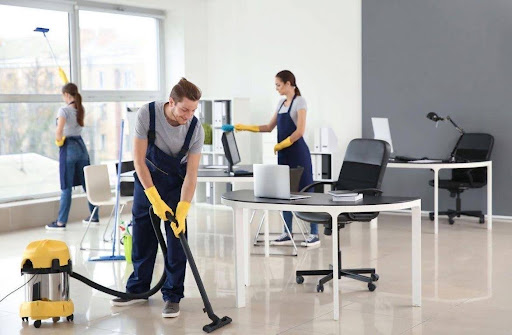
Busy workplaces experience more movement, shared use, and opportunities for dirt to collect. Entrance areas, corridors, meeting rooms, break spaces, and workstations can quickly lose their neat appearance when many people use them throughout the day. Keeping these areas maintained is therefore not simply about making an office look presentable. It is about creating a space that remains comfortable, organised, and ready for everyday activity.
For businesses looking for office cleaning services, a planned approach can make high-traffic areas easier to manage. Rather than treating every part of an office the same way, professional cleaning can focus on spaces that see the most use. This helps maintain cleanliness while supporting employees, visitors, and daily operations.
Understanding High-Traffic Areas in an Office
High-traffic workplace areas are spaces where people regularly enter, move through, gather, or share facilities. Their cleaning needs can differ from quieter rooms because repeated footfall and contact can cause visible dirt, dust, marks, and buildup to appear sooner. Recognising these patterns helps businesses create a more sensible maintenance routine.
The entrance is often the first area employees and visitors encounter, while corridors connect different workplace areas. Reception areas, meeting rooms, kitchens, washrooms, stairways, and shared work zones may also experience constant use. Paying attention to these spaces can help the workplace stay orderly, rather than letting cleaning issues become increasingly noticeable.
Key Areas That Need Consistent Attention
A practical cleaning plan should identify the locations where everyday activity creates the greatest maintenance demand. These areas can then receive suitable attention according to their usage, layout, and purpose.
- Entrance and reception areas
- Corridors and stairways
- Meeting and conference rooms
- Kitchens and shared break spaces
Prioritising these locations helps cleaning routines match actual workplace activity. It also makes it easier to maintain a consistent standard across spaces that employees and visitors use repeatedly.
Building a Practical Cleaning Routine for Busy Workplaces
A useful office cleaning routine begins with observation rather than a one-size-fits-all schedule. Businesses can consider when different areas are busiest, which surfaces are frequently touched, and where dust or debris tends to accumulate. This makes cleaning activity more purposeful and helps reduce unnecessary disruption during working hours.
A professional cleaning team can organise tasks around the nature of each area. For example, floors may need more frequent attention in entrances and corridors, while shared rooms may require careful surface cleaning after periods of heavy use. An experienced office cleaning company can also help organise recurring cleaning plans around the workplace’s operating schedule, keeping routine maintenance practical and consistent.
-
Entrance Areas Set the First Impression
Entrances collect outdoor dust, footprints, and debris as people move in and out. Regular attention to floors, visible surfaces, doors, and nearby areas helps keep the arrival space neat and welcoming.
-
Corridors Support Constant Movement
Corridors often receive continuous foot traffic throughout working hours. Keeping their floors and surrounding surfaces maintained can help prevent the space from appearing worn or neglected.
-
Meeting Rooms Need Flexible Care
Meeting rooms may shift from quiet spaces to busy gathering points within a single day. Cleaning tables, frequently used surfaces, floors, and shared areas after heavy use helps prepare them for the next meeting.
-
Break Areas Require Regular Upkeep
Kitchens and break spaces combine food preparation, eating, storage, and frequent movement. Routine cleaning of counters, sinks, floors, and other shared surfaces supports a more comfortable environment.
-
Shared Work Areas Benefit From Order
Open work zones can become cluttered through daily activity, especially when several people use common surfaces or equipment. Consistent cleaning and orderly maintenance help these spaces remain easier to use.
Matching Cleaning Frequency With Workplace Activity
Not every workplace area needs identical attention at identical intervals. High-use spaces may require more frequent cleaning, while quieter rooms can follow a different schedule. Matching the routine to actual activity allows businesses to use cleaning time more effectively without overlooking areas that still need periodic care.
Timing also matters. Cleaning during suitable intervals can reduce interruptions and allow busy areas to be maintained without interfering heavily with meetings, customer visits, or employee tasks. A flexible schedule can therefore make routine upkeep easier to integrate into normal office operations.
Simple Practices That Support Cleaner High-Traffic Areas
Alongside planned cleaning, everyday workplace habits can help reduce the amount of dirt and disorder that accumulates in shared spaces. Clear waste disposal, sensible storage, and keeping walkways unobstructed can support the work of cleaning teams and make frequently used areas easier to maintain.
Businesses can also pay attention to changes in usage. A meeting room that becomes a regular training area, or a break space that experiences increased activity, may need its cleaning frequency adjusted. Reviewing workplace patterns periodically helps ensure that maintenance continues to reflect actual needs.
- Keep entrances and walkways free from unnecessary clutter
- Encourage proper disposal of waste in shared areas
- Maintain clear schedules for regularly used rooms
- Adjust cleaning frequency when workplace usage changes
Small, consistent practices can complement scheduled cleaning and help high-traffic spaces remain presentable between routine cleaning sessions.
Creating a More Consistent Workplace Environment
High-traffic areas have a strong influence on how an office feels because they are encountered repeatedly throughout the working day. When entrances, corridors, meeting spaces, break areas, and shared zones receive appropriate care, the entire workplace can feel more organised and prepared for activity.
A consistent approach also makes maintenance easier to manage over time. Instead of responding only when dirt or clutter becomes obvious, businesses can follow a planned routine that considers usage and priorities. This supports a workplace where cleanliness becomes part of regular operations rather than an occasional task.
Conclusion
Managing high-traffic workplace areas requires more than occasional cleaning. By identifying busy zones, setting practical frequencies, and consistently maintaining shared spaces, businesses can support a cleaner, more organised office environment that remains ready for employees and visitors.
For businesses seeking reliable professional cleaning services, The Cleaning Squad offers comprehensive cleaning solutions for workplaces, including commercial and corporate cleaning, with flexible and customised plans. Its experienced professionals, suitable equipment, and focus on quality cleaning support make it a dependable choice for maintaining busy office environments with practical care.
