Packaging efficiency plays an important role in manufacturing, distribution, and e-commerce operations. As production volumes increase, manually wrapping products can become time-consuming and inconsistent. Businesses handling hundreds or thousands of packages may need equipment that delivers reliable sealing, consistent film application, and continuous product movement.
An automatic shrink wrap machine helps streamline packaging by coordinating product feeding, film wrapping, sealing, and movement through the packaging line. When paired with a compatible heat-shrink tunnel, these systems can produce tightly wrapped packages with less manual handling.
However, choosing suitable equipment requires understanding production capacity, sealing technology, film compatibility, and maintenance requirements. Evaluating these factors can help manufacturers improve packaging consistency while avoiding unnecessary operational expenses.
What Is an Automatic Shrink Wrap Machine?
An automatic shrink wrap machine is packaging equipment that uses automated mechanical systems to enclose products in shrinkable plastic film.
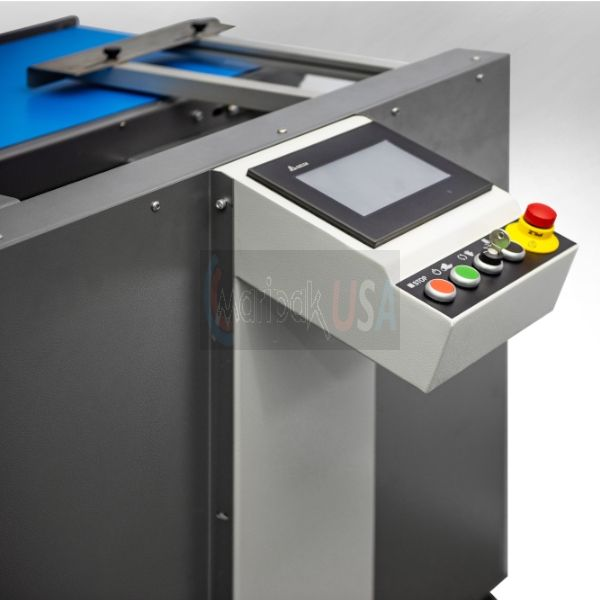
The equipment generally includes a film feeding mechanism, product conveyor, sealing assembly, sensors, and programmable controls.
After the product is enclosed and sealed, it typically passes through a separate or integrated shrink tunnel. Controlled heat causes the film to contract around the product, creating a close-fitting package.
Unlike manual wrapping systems, automatic machines can perform repeated packaging cycles with limited operator intervention.
These systems are commonly used for packaging books, cosmetics, stationery, household products, electronics, and retail merchandise.
However, the exact applications depend on the machine’s dimensions, sealing configuration, and supported film materials.
How Does Automatic Shrink Wrapping Work?
Automatic shrink wrapping involves several coordinated operations that transform loose film into a finished package.
Product Feeding and Detection
Products enter the packaging machine through an infeed conveyor.
Sensors detect their position and dimensions, allowing the control system to coordinate product movement with the sealing mechanism.
Accurate detection helps maintain consistent spacing and reduces the risk of overlapping packages.
Film Feeding and Positioning
Shrink film is unwound from a roll and positioned around the product.
Automatic film feeding systems regulate material movement and tension to reduce wrinkles and misalignment.
The film must be compatible with the machine’s sealing method and the intended shrink temperature.
Sealing and Cutting
The sealing mechanism creates the necessary seals around the product.
In automatic L-bar systems, a heated sealing assembly forms seals along two adjoining sides of the film.
The equipment also separates the finished package from excess material.
Heat Shrinking
After sealing, the product enters a shrink tunnel.
Heated air circulates around the package, causing the film to contract.
The final result depends on tunnel temperature, airflow, conveyor speed, film properties, and product dimensions.
What Are the Different Types of Automatic Shrink Wrapping Machines?
Several machine configurations are available for different packaging requirements.
Automatic L-Bar Sealers
Automatic L-bar sealers use an L-shaped sealing mechanism to enclose products in shrink film.
They are commonly used for individual products and applications requiring consistent sealing across repeated packaging cycles.
These systems can include servo-driven mechanisms, automated film tension control, and programmable operating settings.
Automatic Side Sealers
Side-sealing machines create a continuous longitudinal seal while processing products through the packaging line.
They are often suitable for applications involving different product lengths or higher production volumes.
Sleeve Wrapping Machines
Sleeve wrappers apply film around products or grouped items, often leaving openings at the ends before shrinking.
They are commonly used for multipacks, bottles, containers, and certain industrial products.
The appropriate configuration depends on package dimensions, required protection, production speed, and material compatibility.
What Features Should You Look for in Automatic Shrink Wrap Equipment?
Selecting an automatic shrink wrap machine requires evaluating features that directly influence production efficiency and packaging quality.
Adjustable Conveyor Speed
Variable-speed conveyors allow operators to coordinate product movement with sealing cycles and downstream equipment.
This flexibility is useful when packaging products of different dimensions.
Servo Motor Technology
Servo-driven mechanisms provide controlled movement and positioning.
They can improve repeatability during sealing operations and may reduce dependence on compressed air for certain machine functions.
Automatic Film Tension Control
Consistent film tension helps prevent wrinkles, loose wrapping, and unnecessary material consumption.
Programmable Touchscreen Controls
Digital control panels allow operators to adjust sealing temperature, product spacing, and other operating parameters.
Some systems also support stored settings for different product configurations.
Safety Sensors and Guards
Automatic packaging equipment contains moving components and heated sealing elements.
Appropriate guards, interlocks, emergency stops, and safety sensors help reduce operational hazards when correctly maintained and used.
How Fast Can an Automatic Shrink Wrap Machine Operate?
Packaging speed depends on the machine design, product dimensions, film characteristics, and supporting equipment.
Manufacturers may describe equipment speed in packages per minute or conveyor travel distance per minute.
For example, certain servo-driven automatic L-bar sealers have adjustable conveyor speeds reaching approximately 98 feet per minute.
However, conveyor speed should not be confused with actual packaging output.
A machine moving products at 98 feet per minute does not necessarily produce a fixed number of completed packages each minute.
The final production rate depends on product length, spacing, sealing-cycle time, and downstream shrink tunnel capacity.
When comparing equipment, businesses should evaluate realistic throughput using their actual products rather than relying solely on maximum advertised speed.
Which Shrink Films Are Compatible With Automatic Machines?
Film compatibility is essential for achieving consistent sealing and shrinking performance.
Common packaging films include:
- Polyolefin (POF): Frequently used for retail packaging because of its clarity, flexibility, and sealing characteristics.
- Polyethylene (PE): Often used for heavier products, multipacks, and certain industrial applications.
- Polypropylene (PP): Used in selected packaging applications depending on film formulation and equipment compatibility.
Film thickness also affects sealing temperature, shrink behaviour, and package strength.
Not every machine supports every film type without adjustments or alternative sealing components.
Before selecting an automatic shrink wrap machine, operators should confirm the manufacturer’s supported film specifications and test representative products under normal production conditions.
How Can You Reduce Shrink Wrapping Defects?
Packaging defects can increase material consumption, create additional labour, and interrupt production.
Common problems include weak seals, film wrinkles, uneven shrinking, and damaged packaging.
Weak seals may result from incorrect temperature, insufficient sealing pressure, or contaminated sealing surfaces.
Wrinkles can develop when film tension is inconsistent or the material is incorrectly positioned.
Excessive shrink tunnel temperatures may cause film distortion, while insufficient heat can leave loose packaging.
Regular inspection of sealing elements, sensors, conveyor alignment, and heating systems can help maintain consistent results.
Operators should also record recurring defects and compare them with machine settings to identify possible causes.
How Do You Calculate the Efficiency of Shrink Wrap Equipment?
Evaluating packaging efficiency involves measuring more than the number of packages produced.
Important performance indicators include:
Production throughput: The number of acceptable packages completed during a specific period.
Film consumption: The quantity of packaging material used per finished product.
Reject rate: The percentage of packages requiring rework or disposal.
Equipment downtime: Time lost because of maintenance, material changes, or operational problems.
Changeover time: The time required to adjust equipment between different product sizes.
Businesses can use these measurements to identify bottlenecks and evaluate whether automation is improving overall production performance.
What Maintenance Does Automatic Shrink Wrapping Equipment Require?
Preventive maintenance helps reduce unexpected breakdowns and maintain packaging consistency.
Operators should regularly inspect sealing bars, conveyor belts, sensors, film feeding assemblies, and electrical components.
Film residue and debris should be removed using approved cleaning procedures.
Moving components may require lubrication according to manufacturer instructions.
Temperature controls and safety mechanisms should also be checked periodically.
Maintenance personnel must follow appropriate lockout/tagout procedures before servicing hazardous equipment.
A documented maintenance schedule can help identify wear before it causes significant production interruptions.
Conclusion
Automatic shrink wrapping equipment can support consistent packaging quality, reduce repetitive manual handling, and improve production workflows. However, successful implementation depends on selecting machinery compatible with product dimensions, packaging materials, and actual throughput requirements. When evaluating an industrial shrink wrapper, businesses should consider sealing technology, conveyor configuration, film compatibility, equipment safety, and maintenance accessibility. These factors influence whether a machine can operate reliably within an existing packaging line. Ultimately, choosing an automatic shrink wrap machine requires balancing production capacity, packaging quality, operating costs, and long-term reliability. Careful equipment evaluation, appropriate operator training, and preventive maintenance can help manufacturers maintain efficient packaging operations while reducing unnecessary waste and downtime.