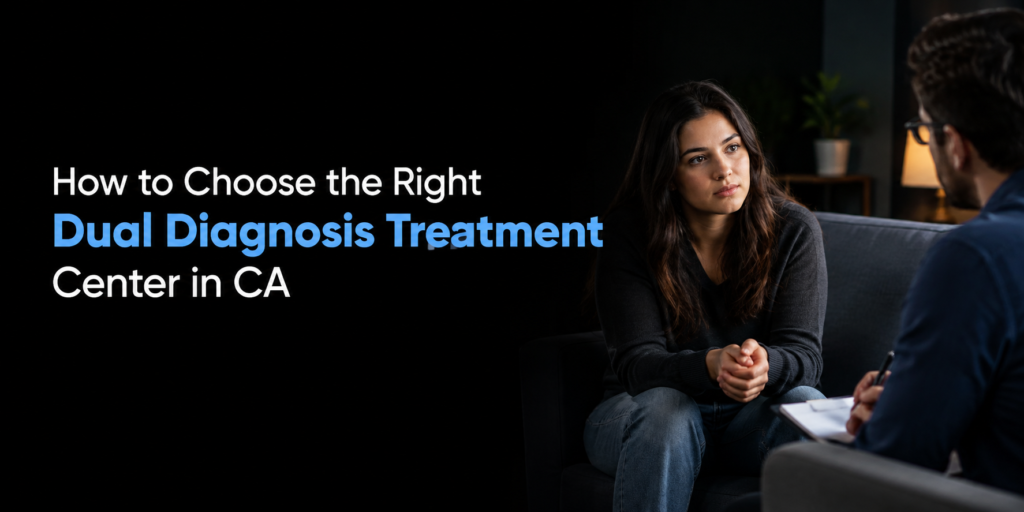
Choosing the right treatment center can be an important step toward recovery, especially when someone is experiencing both a mental health condition and substance use disorder. When these concerns occur together, treatment needs to address both rather than focusing on only one.
With many treatment options available, finding the right dual diagnosis treatment center California residents can trust may feel overwhelming. Understanding what to look for can help individuals and families compare programs and choose care that matches their specific needs.
Why Choosing the Right Dual Diagnosis Treatment Center Matters
Mental health concerns and substance use can affect each other in different ways. Conditions such as anxiety, depression, trauma, and other psychiatric concerns may occur alongside addiction and can influence symptoms, behaviors, and recovery.
A treatment program that addresses both concerns can provide a more coordinated approach to care. Instead of treating addiction and mental health separately, dual diagnosis treatment considers how they interact and creates a plan based on the individual’s needs.
The goal is to provide appropriate support for both areas while helping individuals develop a stronger foundation for long-term recovery.
Things to Consider When Choosing a Dual Diagnosis Treatment Center in California
Here are the key factors to consider:
1. Comprehensive Mental Health and Addiction Assessment
A thorough assessment should be one of the first things to look for when comparing treatment centers. Understanding a person’s substance use, mental health symptoms, medical history, and previous treatment experiences can help clinicians determine appropriate care.
Ask whether the facility provides psychiatric evaluations, substance use assessments, and individualized treatment planning. A detailed evaluation can help ensure that both mental health and addiction concerns are considered from the beginning.
2. Individualized Treatment Plans
Everyone’s recovery needs are different. A quality treatment center should avoid a one-size-fits-all approach and develop care around the individual’s specific circumstances.
Ask how treatment plans are created and whether they are reviewed throughout treatment. Factors such as substance use history, mental health symptoms, personal goals, and previous treatment experiences may all influence the plan.
3. Qualified Clinical and Medical Staff
The qualifications and experience of the treatment team are important when choosing a dual diagnosis treatment center California program.
Ask who provides mental health and addiction care and whether qualified professionals are available to monitor changes in symptoms and treatment needs. You may also want to ask about psychiatric services, nursing support, and medical care.
Understanding who will be involved in treatment can help you make a more informed decision.
4. Integrated Mental Health and Addiction Care
Dual diagnosis treatment should address mental health and substance use together. Treating only the addiction may leave underlying mental health concerns unaddressed, while focusing only on mental health may not adequately address substance use.
When comparing facilities, ask how the different aspects of treatment are coordinated. An integrated approach can help create a more complete treatment plan based on the individual’s needs.
5. Evidence-Based Treatment Approaches
Ask about the therapies and treatment approaches offered by each facility. Evidence-based approaches may help individuals understand behavioral patterns, manage symptoms, develop healthier coping strategies, and work toward recovery.
Treatment may include individual therapy, group-based support, behavioral therapies, psychiatric care, medication management when appropriate, and other supportive services.
The specific combination should depend on the person’s clinical needs and treatment goals.
6. Medical and Psychiatric Support
Some individuals entering treatment may require medical monitoring, psychiatric evaluation, or medication management. Having appropriate clinical support available can be especially important when mental health and substance use concerns occur together.
Ask whether the center provides psychiatric services, medication management, medical support, and ongoing monitoring when clinically appropriate.
A treatment center should also have appropriate procedures for responding to changes in a person’s physical or mental health.
7. Comfort, Privacy, and Treatment Environment
The treatment environment can have an important impact on the overall experience. Some individuals may feel more comfortable in a private, structured, and smaller treatment setting.
When researching a dual diagnosis treatment center California, consider factors such as:
- Patient population and program size
- Privacy and comfort
- Daily structure
- Living environment
- Clinical accessibility
- Available therapeutic support
- Opportunities for family involvement
Choosing an environment where a person feels comfortable and supported can make it easier to remain engaged in treatment.
8. Personalized Continuing-Care Planning
Treatment does not necessarily end when a person completes an inpatient or residential program. Continuing care can help individuals maintain progress and manage challenges after leaving structured treatment.
Ask what type of discharge and aftercare planning the facility provides. Depending on individual needs, continuing care may involve ongoing mental health treatment, addiction services, medication management, community resources, or referrals to an appropriate level of care.
A clear plan can make the transition from structured treatment more organized.
9. Cost and Accessibility
Financial considerations should also be reviewed before choosing a treatment center. If you are paying privately, ask about the overall cost, available payment options, and what is included in the treatment program.
You should also consider admission requirements, appointment availability, transportation, location, and other practical factors before making a decision.
10. Reputation and Experience
A treatment center’s experience with co-occurring mental health and substance use disorders can provide useful information when comparing programs.
Look at the center’s professional credentials, treatment approach, available services, and client reviews. Reviews can offer insight into areas such as communication, staff support, treatment environment, and overall experience.
However, reviews should be considered alongside clinical qualifications, treatment services, and the center’s approach to dual diagnosis care.
Red Flags to Watch For
When researching treatment centers, be cautious of programs that:
- Promise guaranteed or instant recovery
- Provide limited information about their clinical staff
- Avoid explaining their treatment approach
- Do not clearly address mental health and substance use together
- Pressure you to make an immediate decision
- Have unclear pricing or admission information
- Do not provide a clear plan for continuing care
Taking time to ask questions and verify information can help you avoid making a decision based solely on marketing claims.
Conclusion
Choosing the right dual diagnosis treatment center California option requires careful consideration of clinical care, individualized treatment, mental health services, medical support, treatment environment, and continuing-care planning. The right program should recognize the connection between mental health and substance use while creating care around the individual’s needs.
For individuals seeking private inpatient dual diagnosis treatment in Oceanside, California, Seaside Detox provides an intimate setting with no more than six patients, individualized treatment planning, psychiatric evaluation, evidence-based therapies, medical support, and holistic care. Taking the time to research available options and ask the right questions can help individuals and families make a more informed treatment decision.
