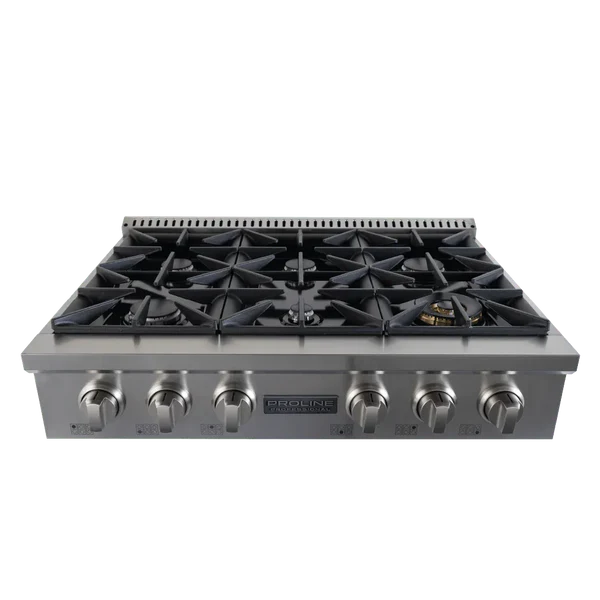
Choosing a cooktop is an important decision because it affects how efficiently you prepare meals, how your kitchen functions, and how easily the cooking surface fits into your overall design. Homeowners can choose from gas, induction, and electric cooking technologies, each offering different benefits in terms of heat control, maintenance, and installation. Material and finish also matter because the cooking surface needs to withstand daily use while remaining easy to maintain. Stainless steel cooktops are particularly useful for kitchens where durability, a professional appearance, and practical maintenance are priorities.
Consider Your Cooking Style
Your cooking habits should be the starting point when comparing cooktop options. Gas cooking provides visible flames and direct control, making it popular among people who frequently adjust temperatures while cooking. Induction technology uses electromagnetic energy to heat compatible cookware directly, allowing fast and precise temperature changes while keeping the surrounding surface comparatively cooler.
Electric cooking surfaces can provide consistent heating and may be suitable for households looking for straightforward operation. The right choice ultimately depends on the type of meals you prepare, the cookware you already own, and the level of temperature control you prefer.
For kitchens where flexibility is important, it is also worth considering alternatives such as drop-in induction ranges. These combine induction cooking with an integrated oven, which can make them practical for layouts where a single appliance needs to perform multiple functions.
Look at Size, Burner Layout, and Installation
Cooktop dimensions should match the available counter space and the number of burners you regularly use. A compact cooking surface may be sufficient for smaller households, while larger families or frequent entertainers may benefit from additional cooking zones.
Burner placement matters just as much as the overall width. A well-designed layout of drop-in stoves should leave enough room between cooking zones for multiple pots and pans. Before purchasing, measure the countertop opening carefully and check the manufacturer’s installation requirements, including ventilation and electrical or gas connections.
Some homeowners compare traditional built-in cooktops with drop-in ranges because installation preferences can vary depending on the kitchen’s existing layout. Understanding the distinction between standalone ranges and separate cooktops can prevent compatibility problems during remodeling.
Compare Materials and Maintenance Requirements
The cooking surface material affects both appearance and everyday upkeep. Stainless steel is widely used because it offers a durable finish that complements many kitchen styles. Stainless steel cooktops can create a professional appearance while fitting naturally alongside other stainless steel appliances.
However, maintenance requirements can vary depending on the specific surface and cooking technology. Gas models may require more attention around burners and grates because food particles can collect in separate components. Smooth induction and electric surfaces generally have fewer recessed areas, although spills should still be cleaned promptly according to the manufacturer’s recommendations.
When comparing finishes, consider how frequently you cook and how much time you want to spend cleaning. A practical surface should balance appearance with the demands of everyday meal preparation.
Think About Safety and Energy Use
Safety is another important consideration, especially in households with children. Induction cooking can offer an advantage because the cookware itself becomes the primary source of heat, while the surrounding surface generally does not heat in the same way as traditional radiant cooking. Gas cooktops, meanwhile, require appropriate ventilation and careful handling of open flames.
Energy use can also influence your decision. Different cooking technologies transfer heat in different ways, so comparing efficiency, household electricity availability, and fuel costs can help determine which option makes sense over the long term.
For homeowners seeking a streamlined kitchen, stainless steel cooktops can provide a combination of practical durability and a versatile appearance. The best choice, however, should always reflect the kitchen’s dimensions, cooking habits, installation requirements, and preferred cooking technology.
Conclusion
Selecting the right cooking surface requires more than choosing an attractive finish. For households that prefer a familiar electric cooking setup, a drop-in electric range may also be worth considering when planning the overall appliance configuration. Consider cooking style, available counter space, burner configuration, installation requirements, cleaning needs, safety, and energy use before making a decision.
