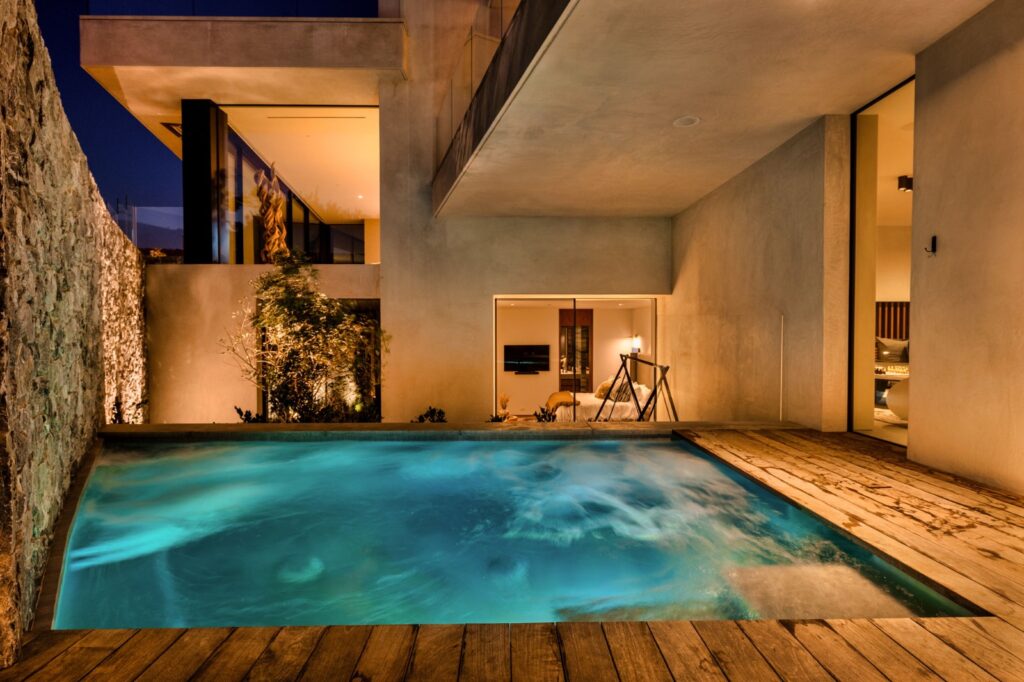
Building a high quality inground swimming pool is a transformative home improvement project that elevates outdoor living, adds property value, and provides endless recreation. Before breaking ground, property owners must carefully evaluate several foundational elements, including available yard space, soil composition, property slope, and local zoning regulations. Every property presents unique structural and geographical characteristics, making initial engineering assessments critical to long term durability. Proper site evaluation ensures that the structural integrity of the pool remains sound for decades while seamlessly integrating with your home architecture.
Understanding how your family intends to use the swimming pool heavily influences the initial planning phases. A pool designed primarily for fitness swimming requires longer, unobstructed lap lanes, whereas a pool built for family entertainment or personal relaxation might incorporate shallow sun shelves, attached hydrotherapy spas, integrated water features, and spacious decking areas. Setting clear priorities during the early design stage prevents expensive mid project adjustments and guarantees that the finished backyard oasis aligns perfectly with your lifestyle expectations.
Investing in premier pool construction in San Diego requires navigating specific regional soil dynamics, coastal environmental considerations, and city building permits. Homeowners seeking top tier luxury pool builders often rely on established industry leaders like Mission Pools to turn complex landscape visions into structurally sound, masterfully engineered reality. Working with experienced professionals ensures that every phase, from preliminary architectural conceptualization to the final water fill, adheres to strict safety protocols and local municipality standards.
Understanding Popular Architectural Pool Styles and Layouts
Architectural swimming pool styles range from classic geometric frameworks to freeform natural retreat designs. Geometric pools, such as rectangular, L shaped, or Grecian designs, deliver timeless elegance, clean architectural lines, and maximum swimming efficiency. These configurations fit naturally alongside modern or Mediterranean home aesthetics and work exceptionally well when incorporating perimeter overflow edge details, glass tile accents, or integrated linear spas.
Freeform pool designs emulate natural bodies of water using organic curves, boulder waterfalls, rock formations, and lush surrounding landscaping. This style is ideal for residential properties with unconventional yard shapes, varying elevation changes, or natural hillside topography. By combining curved gunite walls with natural stone coping and pebble plaster finishes, freeform designs transform standard residential backyards into tranquil, resort style environments.
Modern outdoor living spaces frequently feature zero edge or infinity edge pool designs that produce stunning visual continuity between the water surface and surrounding scenery. Infinity pools allow water to cascade over one or more structural walls into a lower catch basin, creating the striking illusion of water extending infinitely into the horizon. Selecting the proper pool layout requires balancing structural site realities with your personal artistic preferences.
Selecting Durable Pool Shell Materials and Structural Assemblies
The structural foundation of any premium inground swimming pool relies on high strength materials designed to withstand immense hydraulic pressure and environmental movement. Gunite and shotcrete concrete pools represent the gold standard in modern pool building due to their unmatched longevity, structural versatility, and fully customizable design possibilities. Concrete pool shells utilize a dense matrix of rebar reinforcement cages coated with pneumatically applied concrete to form a rigid, highly durable monolithic structure.
Fiberglass pool shells offer alternative benefits, including rapid installation timelines and smooth, non porous gelcoat surfaces that resist algae growth. Pre manufactured fiberglass shells are set into engineered excavation pits, connected to filtration plumbing, and backfilled with gravel. While fiberglass shells reduce ongoing maintenance requirements, they feature pre set manufacturing dimensions that limit total design customization compared to fully tailored concrete structures.
Vinyl liner pools present an economical initial installation option, utilizing steel or polymer wall panels anchored to a concrete footing with a custom fit vinyl membrane forming the water vessel. However, vinyl liners require periodic replacement every seven to ten years due to UV exposure and chemical wear. For homeowners demanding custom architectural shapes, integrated stone water features, and permanent structural resilience, custom concrete shotcrete construction remains the superior long term investment.
Navigating Permits Soil Testing and Site Excavation Procedures
Executing a successful swimming pool build demands strict compliance with municipal building permits, environmental codes, and zoning restrictions. Property setbacks, utility line location, easements, and maximum lot coverage ratios dictate exactly where a pool structure can be positioned on a property. Professional engineering teams prepare detailed structural drawings, hydraulic calculations, and electrical schematics to secure necessary construction permits before any machinery arrives on site.
Geotechnical soil testing plays a vital role in preventing future structural settling, cracking, or shifting. Soil engineers extract core samples to assess soil compaction, load bearing capacity, ground moisture levels, and expansive clay content. Properties located on slopes or reactive soils often require specialized structural engineering, such as deeper concrete footings, caissons, or reinforced retaining walls to support the pool structure safely.
Once permits and engineering approvals are secured, heavy excavation machinery shapes the precise outline of the swimming pool shell. Excavation crews carefully carve out the pool floor, deep end transit slopes, and shallow bench ledges based on exact laser measurements. Proper soil disposal, trenching for plumbing and electrical lines, and continuous site drainage management during excavation ensure that the construction area remains stable and secure for subsequent structural steel installation.
Structural Steel Framework Plumbing and Hydraulic Design
Following excavation, ironworkers assemble a rigid structural framework using dense grids of steel rebar. This steel cage acts as the internal skeleton of the pool, providing tensile strength to counteract ground movement and water weight forces. The spacing, diameter, and layout of the rebar grid are precisely engineered to meet or exceed local building code standards, ensuring that the pool vessel resists structural stress over its lifetime.
Concurrent with steel installation, skilled plumbers install underground hydraulic pipe networks responsible for water circulation, filtration, and sanitation. Hydraulic design requires meticulous calculations regarding pipe sizing, flow rates, pump head pressure, and water velocity to optimize energy efficiency and maintain crystal clear water quality. Main drains, skimmer suction lines, directional return jets, and dedicated vacuum ports are plumbed using high schedule PVC piping buried deep within protective trenching.
Modern pool hydraulic systems prioritize energy efficiency by utilizing oversized plumbing lines and sweeping sweep elbows that reduce internal fluid friction. Integrating dual main drains equipped with anti entrapment safety covers satisfies strict safety legislation while ensuring balanced water turnover throughout the entire pool volume. Correct hydraulic engineering eliminates dead zones where debris collects and ensures uniform chemical distribution throughout the swimming pool.
Applying Gunite Plumbing Pressure Tests and Waterproofing Shells
With the rebar matrix and internal plumbing lines firmly set, application teams pneumatically apply gunite or shotcrete under extreme pressure to encapsulate the steel cage completely. Trained nozzle operators meticulously shape the pool walls, entry steps, underwater benches, and spa structures, compacting the dense concrete mixture to eliminate air voids. The newly applied shell undergoes a multi day hydration curing process to achieve maximum structural compression strength.
Comprehensive pressure testing of all submerged plumbing lines occurs both before and after the concrete application phase. Technicians cap each hydraulic loop and maintain continuous pneumatic or hydrostatic pressure to confirm that zero leaks exist within the buried network. This rigorous quality control process guarantees that the concealed plumbing infrastructure remains completely watertight before deck construction and final plaster finishes begin.
Advanced waterproofing membranes are applied to critical structural junction points, including water features, tile lines, and attached spa spillways, to prevent moisture migration through the concrete shell. Proper shell curing and surface preparation ensure strong adhesion for decorative pool waterline tiles, stone coping materials, and internal plaster finishes, protecting your investment against long term water damage.
Choosing Waterline Tile Coping Stones and Surrounding Decking
Decorative waterline tile serves both an aesthetic and functional role in custom pool construction. Installed along the top six inches of the pool wall where water meets air, ceramic, porcelain, or glass tiles prevent body oils, mineral deposits, and floating debris from staining the pool shell. Glass tiles reflect light beautifully and create vibrant visual effects, while natural stone tiles deliver a subtle, organic look that blends seamlessly with natural outdoor landscapes.
Pool coping forms the finished rim around the top edge of the pool structure, creating a comfortable transition between the water shell and the surrounding patio decking. Common coping options include bullnose travertine, smooth poured in place concrete, cantilevered concrete edges, and natural flagstone capstones. The coping material must provide a slip resistant surface while effectively shedding splash water away from the pool edge back into surrounding drainage systems.
Outdoor pool decking expands your living space and sets the visual tone for your backyard. Poured decorative concrete, stamped concrete patterns, natural stone pavers, and specialized cool deck coatings provide durable, slip resistant surfaces underfoot. Integrated deck drainage channels are installed around the perimeter to collect rainwater and pool splash water, preventing runoff from washing dirt and debris back into the swimming pool.
Modern Energy Efficient Equipment Smart Controls and Sanitization
Equipping your pool with modern filtration and sanitation technology lowers long term operating costs and reduces routine maintenance tasks. Variable speed circulation pumps operate at lower revolutions per minute during standard filtration cycles, consuming up to eighty percent less electricity than legacy single speed pumps. High capacity cartridge filters or clear glass media filters capture microscopic debris, maintaining pristine clarity with minimal backwashing water waste.
Smart automated control systems allow homeowners to monitor and manage pool operations directly from mobile smartphones or home automation networks. Digital controllers manage pump schedules, heater settings, LED lighting themes, water feature pumps, and automated chemical feeders with precise digital accuracy. Automated scheduling ensures energy efficient heating and filtration while enabling effortless operation of spa jets and laminar water arches prior to hosting guests.
Modern sanitation systems go beyond traditional manual chlorine additions to deliver cleaner, softer water with fewer chemicals. Saltwater chlorine generators convert natural salt into pure dissolved chlorine through low voltage electrolysis, providing continuous sanitation that is gentle on skin and eyes. Supplemental sanitation technologies, such as Ultraviolet UV purifiers and Ozone gas generators, destroy waterborne pathogens and chloramines on contact, drastically reducing overall chemical consumption.
Interior Finishes Custom Water Features and Fire Elements
The interior plaster finish defines the ultimate water color and surface texture of your completed swimming pool. Traditional white quartz plaster produces a classic light blue water tone, while aggregate pebble finishes introduce natural river stones, quartz crystals, and colored glass beads for superior durability and textured depth. Dark interior finishes create striking reflective mirror effects that absorb solar heat naturally, while light turquoise finishes produce a tropical lagoon aesthetic.
Integrating custom water features transforms static swimming pools into dynamic sensory experiences. Sheer descent waterfalls, rock cascades, rain curtains, and deck mounted water cannons introduce soothing natural sounds and visual motion. Waterfalls can be built using natural boulders or sleek modern stainless steel emitters, allowing for complete stylistic alignment with your broader backyard landscape theme.
Combining fire and water elements introduces dramatic contrast for nighttime outdoor entertaining. Fire bowls, linear fire troughs, and integrated fire pits positioned along pool edges create warm gathering points that extend your backyard usability into cooler evening hours. Automated gas ignition systems permit instant remote lighting of fire features alongside synchronized color changing LED pool illumination.
Professional Startup Inspections and Long Term Maintenance
The final phase of pool building involves filling the pool shell with fresh water and completing a meticulous equipment startup procedure. Pool technicians test raw source water chemistry, balance pH and total alkalinity levels, and administer initial sanitizer dosing to protect the fresh plaster finish during its initial curing period. Continuous brushing during the first two weeks prevents plaster dust from adhering to the pool walls and ensures a smooth, uniform surface texture.
Detailed operational orientations educate homeowners on equipment operation, filter cleaning schedules, chemical testing routines, and automated control programming. Comprehensive builder warranties cover structural shell integrity, interior surface finishes, installed plumbing, and mechanical equipment, offering long term peace of mind for your property investment. Partnering with dedicated pool service professionals ensures that your pool equipment operates at peak efficiency throughout every season.
Establishing a routine maintenance schedule keeps your pool water balanced, safe, and visually appealing year round. Regular skimmer basket emptying, surface skimming, wall brushing, and chemical level adjustments prevent balance issues and prolong the operational lifespan of pool pumps and heaters. A well engineered, expertly constructed custom pool delivers decades of healthy outdoor recreation, enhanced family relaxation, and enduring property value.
Frequently Asked Questions
What is the typical timeline for constructing a custom inground concrete pool?
The construction of a custom inground concrete pool generally ranges from three to six months once active site excavation begins. Timelines depend heavily on design complexity, yard accessibility, custom water feature requirements, weather conditions, and local municipality permit processing speeds.
How do variable speed pool pumps save energy and reduce operating costs?
Variable speed pumps utilize permanent magnet motors that run at lower, customized speeds for daily filtration rather than running at full power continuously. Operating at lower speeds drastically lowers electrical friction resistance, cutting energy consumption by up to eighty percent compared to standard single speed pumps.
What is the difference between traditional plaster and pebble aggregate pool finishes?
Traditional quartz plaster creates a smooth, uniform finish with a classic light blue appearance but typically requires refinishing every eight to ten years. Pebble aggregate finishes incorporate natural river stones and glass beads, creating a textured, highly durable surface that resists chemical wear and lasts fifteen to twenty years or longer.
Are saltwater pool systems completely chemical free?
No, saltwater pools are not chemical free. Saltwater systems utilize an inline electrolytic cell that converts dissolved natural salt into pure chlorine gas to sanitize the water automatically. This eliminates the need to manually handle dry or liquid chlorine while providing consistent, gentle sanitation.
What permits and structural inspections are required during pool construction?
Pool construction requires municipal building, electrical, and plumbing permits. Required structural inspections typically occur at key milestones, including site excavation and steel rebar placement, plumbing pressure testing, electrical bonding prior to concrete pour, and final safety barrier and equipment inspection before pool filling.
Conclusion
Building a custom inground swimming pool is one of the most rewarding investments a homeowner can make to enrich outdoor living and property value. From structural engineering and soil evaluation to selecting premium finishes and energy efficient sanitation equipment, every stage of construction requires precise craftsmanship and technical expertise.
Entrusting your backyard project to proven pool building specialists ensures that your custom swimming pool combines structural durability, optimal hydraulic performance, and breathtaking aesthetic beauty. With proper design planning, high quality materials, and routine maintenance, your custom swimming pool will serve as a luxurious private retreat for family relaxation and entertainment for decades to come.
