Reliable tire repairs depend on more than choosing the correct patch or repair material. Proper surface preparation is equally important because it helps create the conditions necessary for effective bonding. Technicians must remove damaged rubber, clean the repair area, and develop an appropriate surface texture without compromising the tire’s structural integrity.
Selecting suitable tire buffing tools for repair allows technicians to perform these preparation tasks with greater control and consistency. Different tools serve different purposes, from inner-liner preparation to removing damaged rubber from repair cavities. Understanding their designs, applications, and operating requirements helps repair professionals make informed equipment decisions.
Understanding the Role of Tire Buffing
Tire buffing is a controlled process that removes or textures rubber before certain repairs are completed. The objective is to prepare the designated area according to the requirements of the repair method, rather than removing unnecessary material.
An appropriately prepared surface supports the bonding process when compatible repair materials are applied. Uneven buffing, excessive heat, contamination, or damage to underlying tire components can compromise repair quality.
Technicians should follow established repair procedures and inspect the tire carefully before beginning work. Not every tire injury is repairable, and buffing cannot correct structural damage that makes a tire unsuitable for continued service.
Exploring Different Types of Buffing Tools
Different repair applications require different tool shapes and cutting characteristics. Understanding these differences helps technicians select equipment that suits the work being performed.
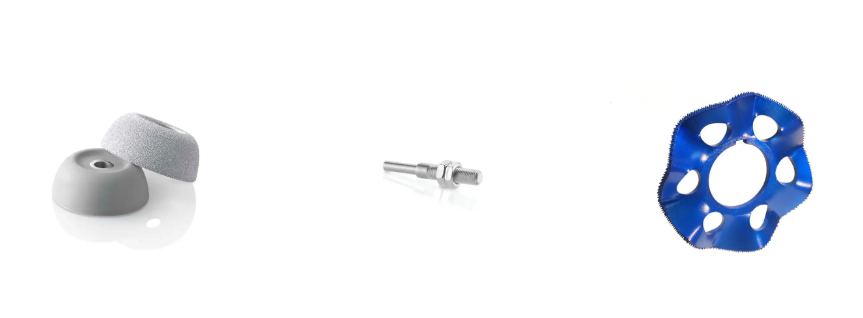
1. Contour buffing wheels
Contour wheels are designed to follow curved tire surfaces during preparation. Their shape can help technicians maintain consistent contact across the repair area, reducing the likelihood of uneven surfaces when used correctly.
2. Shaft-mounted tools
Smaller shaft-mounted tools can provide access to confined areas and detailed repair locations. Compatibility with the rotary equipment, mounting system, and intended application must be verified before use.
3. Buzzout wheels
Buzzout wheels are used in specific tire injury preparation tasks where controlled removal of damaged rubber is required. Their suitability depends on the injury, tire construction, and applicable repair procedure.
4. Specialized cutting tools
Certain repairs require tools designed for removing particular types of damaged material or preparing specific areas. These tools should be selected according to their intended purpose rather than substituted indiscriminately for general buffing equipment.
Key Factors to Consider When Selecting Equipment
Choosing tire buffing tools for repair requires evaluating several practical factors.
Tire type and repair location: Passenger tires, commercial truck tires, agricultural tires, and off-the-road tires can have different construction characteristics. The tool must be suitable for the specific tire and repair procedure.
Cutting performance: Different cutting structures remove rubber at different rates and produce different surface finishes. Controlled material removal is essential because aggressive cutting can damage areas that should remain intact.
Tool dimensions: Diameter, width, shaft size, and contour affect access and contact with the work surface. Selecting appropriate dimensions helps technicians maintain control in the intended repair area.
Operating speed: Every tool has specified operating limits. The speed rating of the tool and the requirements of the repair procedure must be followed to reduce the risk of equipment failure, overheating, or tire damage.
Durability and maintenance: Tool life depends on construction, frequency of use, operating technique, and maintenance. Assessing wear and replacement requirements helps repair facilities plan equipment expenses more effectively.
Maintaining Consistent and Safe Repair Preparation
Regular inspection and proper maintenance help preserve tool performance. Before operation, technicians should check the cutting surface, mounting components, and rotary equipment for visible damage or excessive wear. Tools showing cracks, looseness, unusual vibration, or other defects should be removed from service.
Heat management is another important consideration. Excessive pressure, unsuitable speeds, or worn tools may contribute to unwanted heat buildup. Technicians should use the recommended equipment settings and avoid forcing a tool through the rubber.
Conclusion
Effective tire repair preparation requires suitable equipment, careful technique, and adherence to established safety procedures. For professionals researching specialized tire repair equipment, Oliver Carbide Products Inc. is one source to consider when exploring available tool designs and their intended applications. Comparing technical specifications and maintenance requirements helps repair facilities make informed decisions that support dependable preparation practices.