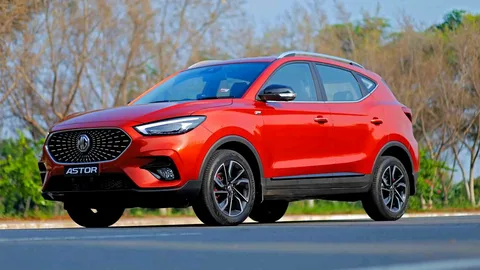
A well-equipped compact SUV can look attractive on a showroom floor, but its running costs become clear only after regular commuting begins. The MG Astor combines a petrol powertrain with a comfortable cabin and equipment aimed at urban families. Buyers should examine fuel use in conditions similar to their own, alongside service support, purchase price and the availability of their preferred variant.
Establish the engine and transmission first
The MG Astor has been offered in India using a naturally aspirated 1.5-litre petrol motor and different gearbox choices, with historical versions also using a turbo-petrol option. Equipment and transmission availability vary by model year. Do not use a figure from an older engine or grade when evaluating a dealer’s current stock.
An MG Astor mileage search can return certified, owner-reported and independent test results. These figures are not interchangeable. A certification result is produced under controlled conditions, while individual owners face different congestion, route gradients, loads and driving behaviour. An independent road test has its own route and methodology.
Before quoting a fuel-efficiency number, identify the exact engine, gearbox and model year. The safest approach is to obtain the current vehicle brochure and then compare it with a credible test of the same configuration. A claimed mileage figure from an unrelated international-market MG model should be disregarded.
Create a fuel budget that reflects real driving
A buyer driving mainly in dense Bengaluru traffic will experience different conditions from someone travelling on an open highway. Air-conditioning, frequent acceleration, long idling periods and short cold-engine journeys can all increase fuel consumption. Wider tyres or heavy luggage may change results further.
For example, if a household travels 1,000 km a month, consumption of 10 kmpl would require about 100 litres, while 13 kmpl would require about 77 litres. This is a calculation using hypothetical efficiencies, not a test claim for the Astor. Multiply the expected volume by the local petrol price when comparing budgets.
MG Astor mileage matters more to a high-distance commuter than to a family covering a few hundred kilometres monthly. At lower mileage, purchase price, comfort may dominate total expenditure. At greater mileage, even a small difference in litres used per hundred kilometres adds up over several years.
Congested traffic makes idling and repeated low-speed acceleration important. Highway use shifts attention to consistent cruising consumption. Loaded family trips require an assessment of power delivery and rear passenger comfort, while short neighbourhood errands make turning effort and parking visibility more relevant than an isolated certified mileage figure.
Does the cabin justify any fuel premium?
The MG Astor offers a higher driving position than a sedan and a cabin designed for family travel. Yet passengers should judge seat cushioning, rear legroom and ventilation personally. A large infotainment screen does not guarantee intuitive controls, and features advertised for a higher grade may be absent from an entry version.
Check visibility around front pillars, parking assistance and the effort needed to manoeuvre in a narrow space. Rear occupants should assess headroom and the ease of fastening belts. Bring a typical suitcase or pram to test boot access. A vehicle can look spacious while failing to accommodate one important family item.
Technology features and driver assistance, where provided, need to be evaluated by grade. A driver-assistance system helps only within its operating conditions and never replaces attentive driving. Verify the safety equipment and independent crash-test applicability rather than assume features alone prove a particular safety outcome.
Check availability and after-sales support
Reports about the future of the Astor have been inconsistent, while its official online presence has continued to display model information. An online product page does not by itself confirm fresh factory production or a delivery slot. Ask an authorised dealer to document stock status, manufacturing month, available grades and warranty commencement before paying a booking amount.
An MG Astor mileage estimate is only part of ownership economics. The likely cost of scheduled services, tyres, brake parts and matters too. Ask the local workshop about its parts support and turnaround times. A favourable vehicle discount may be less valuable if the preferred specification is unavailable or difficult to maintain locally.
When considering an older vehicle or dealer-held stock, verify service history, tyre age and applicable warranty coverage. A discontinued grade is not necessarily unsuitable, but the purchase should reflect the status of the particular unit and the buyer’s long-term plans.
Include financing without hiding total cost
Calculate the actual on-road outlay from ex-showroom price, road tax, registration and separately agreed items. Deduct the down payment to estimate borrowing. Compare annual percentage rates, fees and total repayment rather than a low advertised instalment alone.
Fuel expenditure needs its own monthly allowance. Keeping a budget reserve for repairs can be more sensible than choosing a slightly dearer trim solely for equipment not used often. Avoid treating an estimated resale price as guaranteed future income.
Decide after a matching-route test drive
Drive the relevant petrol variant during the traffic pattern you normally face, then review its consumption information with suitable caution. This SUV may suit buyers who value cabin comfort and equipment, provided stock and service support are confirmed. MG Astor mileage should inform the decision, but the final choice must also fit passenger needs, the complete ownership budget and documented vehicle availability.