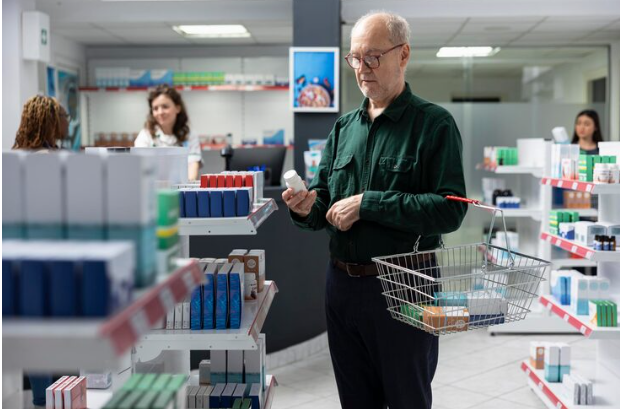
Picking a pharmaceutical distributor used to feel pretty straightforward. You would glance over the price list, confirm they were licensed and move on, no big deal. Lately though the supply chain has shifted—like, quietly. And now it’s not just about the numbers anymore, it’s about the whole route and timing , all that. Regulatory expectations have tightened. And the cost of getting it wrong, whether that’s a compromised product reaching a patient or a board of pharmacy audit turning up sourcing gaps, has never been higher.
So when a distributor says they’re NABP-accredited, that actually means something. Here’s why it should matter to every pharmacy making sourcing decisions.
What NABP Accreditation Actually Means
The National Association of Boards of Pharmacy (NABP) is a non profit that works along side state pharmacy boards across the whole country. Its Distributor Accreditation (DDA) , which used to be called the VAWD® accreditation, is the most recognized independent credential in wholesale pharmaceutical distribution, for sure. Getting accredited isn’t quick or easy. A distributor has to go through:
- A detailed compliance review of policies and operating procedures
- Licensure verification in every state where they do business
- An on-site facility inspection
- Background screening through the NABP Clearinghouse
And earning it once doesn’t lock it in forever. NABP reviews accredited facilities every year. A full on-site survey happens every three years. If a distributor can’t keep up, they lose the credential.
There’s also a compliance layer built into the process. Distributors must follow the Supply Chain Security Act (DSCSA) and Good Distribution Practices (GDP), with recordkeeping systems that trace every product from the manufacturer straight through to the pharmacy. That kind of traceability doesn’t happen by accident. It takes real infrastructure.
The Risk Sitting Behind a Lower Price
Counterfeit s aren’t rare. The FDA has tracked cases where medications entering the U.S. supply chain were adulterated, mislabeled, or outright fake. Pharmacies that dispensed those products didn’t know. That’s exactly the problem.
When a pharmacy sources from a distributor without independent oversight , there is no external check on what’s actually moving through that supply chain . Non-accredited doesn’t always mean unsafe, but it does mean unverified. Nobody is auditing the process, checking the facility , or confirming that what’s on the label matches what’s in the bottle.
The consequences for a pharmacy caught in that situation aren’t small:
- Patient harm and the liability that follows
- Investigations from the DEA or FDA
- Potential loss of pharmacy licensure
Pharmaceutical wholesale distributors in USA now operate under sharper federal and state scrutiny, especially since DSCSA 2025 requirements took effect. Pharmacies working with NABP-accredited distributors plug into a system that’s already been vetted. That’s a real operational advantage, not just a compliance box to check.
Your License Is More Connected to This Than You Think
A lot of pharmacies treat distributor accreditation like it’s the distributor’s responsibility. It’s not entirely wrong. But it’s not entirely right either.
Here’s the regulatory picture right now:
- 21 states formally recognize NABP Distributor Accreditation
- North Dakota, Wyoming, and Indiana require it for the distributor licensing process
- In states where it’s not required, pharmacy boards still look at sourcing practices during inspections
Showing an auditor a sourcing trail that runs through accredited distributors is meaningful documentation. It tells a story about how seriously your pharmacy takes the supply chain.
Liability is another angle worth thinking through. If a patient files a complaint about a medication and an attorney gets involved, one of the earliest questions is going to be about origin and verification. Sourcing from accredited pharmaceutical wholesale distributors in USA gives your pharmacy a concrete, documented answer to that question.
What Else to Look for When Evaluating a Distributor
Accreditation is the floor, not the ceiling. Pharmacies choosing a distribution partner should also be looking at:
- FDA registration status and active DSCSA 2025 compliance
- Licensing coverage across all 50 states
- Depth of generic inventory across therapeutic areas
- Actual responsiveness when shortages hit
That last one is underrated. During a shortage, the distributor that picks up the phone and works the problem is worth far more than the one with the slightly lower catalog price. Pharmacies that have been through a critical backorder already know this.
The total cost of a bad distributor relationship shows up in regulatory exposure, legal fees, and patient safety issues. None of that shows up on a price list. Treating a distributor like a strategic partner, rather than just a vendor, tends to produce better outcomes over time.
The Regulatory Climate Is Getting Tighter, Not Looser
The pharmaceutical supply chain today is more complicated than it was five years ago. Shortages have stretched sourcing decisions. Post-pandemic distribution issues exposed gaps. DSCSA serialization requirements are now fully enforced.
The FDA and DEA have both been clearer about increased enforcement activity at the distribution level. For pharmacies, that doesn’t stay at arm’s length. It connects to their own compliance standing. A pharmacy that can demonstrate a clean sourcing chain, with accredited distributors at every link, is in a much stronger position than one that can’t.
Choosing to work with pharmaceutical wholesale distributors in USA that carry and maintain NABP accreditation reflects a decision to take the supply chain seriously. It’s one of the clearer ways a pharmacy can show that.
About Drugzone Pharmaceuticals Inc.
Drugzone Pharmaceuticals Inc. is a nationally licensed, NABP-accredited generic pharmaceutical distributor located in Nanuet, New York. They’re authorized to operate in all 50 states and it was founded by a New York-licensed pharmacist, so, that context kinda shapes how they think about compliance and patient safety, more or less every day.
The leadership team brings over 80 years of combined experience across distribution, healthcare, and regulatory compliance. It’s not just a credential either, it’s kind of a mindset, built from real practice. It shows up in how the company sources, verifies, and delivers product.
zone works with:
- Hospitals and long-term care facilities
- Specialty pharmacies and chain pharmacies
- Healthcare institutions that need compliant, traceable supply
Every product in zone’s network comes from FDA-registered manufacturers or authorized distributors. The company meets NABP and DSCSA 2025 standards throughout its operations. For pharmacies that need both competitive pricing and sourcing they can actually stand behind, zone is built for that.
Frequently Asked Questions
- Is NABP accreditation required for pharmaceutical distributors to operate in the United States?
At the federal level, it’s voluntary. But three states, North Dakota, Wyoming, and Indiana, require it as part of their distributor licensing process. Another 21 states formally recognize it. Even where there’s no legal mandate, both pharmacies and regulators treat it as a strong indicator of legitimate , compliant operation.
- How often does NABP re-evaluate accredited distributors?
Every accredited facility goes through an annual review. NABP also runs a full on-site survey every three years. After the three-year accreditation period ends , distributors have to reapply and show continued compliance with NABP criteria and applicable state and federal requirements.
- What’s the difference between NABP accreditation and FDA registration?
FDA registration establishes that a facility meets baseline federal requirements. NABP accreditation is a separate, independent review that looks at operating procedures, financial background, criminal history, multi-state licensure, physical facility conditions, and quality management practices. They cover different ground. The most credible distributors carry both.
- How can a pharmacy confirm a distributor’s NABP accreditation is current?
NABP keeps a live, public list of accredited facilities at nabp.pharmacy. Check that database directly. Don’t rely on a distributor’s own claims about their status. What matters is an active accreditation, not one that’s expired or lapsed.
