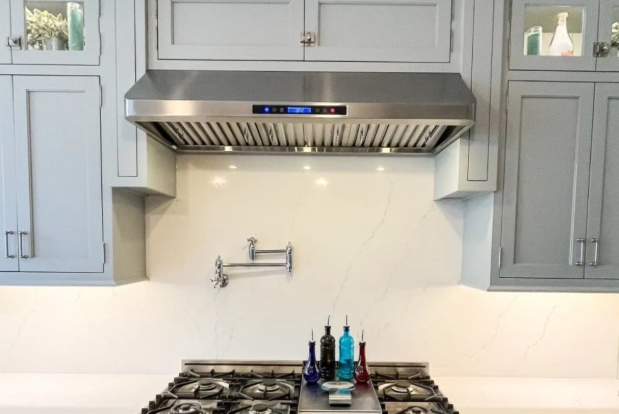
Creating an efficient, clean cooking environment requires installing reliable ventilation hardware that manages heat, airborne grease, and moisture produced during daily meal preparation. Homeowners seeking to maximize kitchen layout efficiency frequently choose a 30-inch under-cabinet vent hood to save valuable wall space while maintaining powerful air extraction capabilities. Mounting directly beneath existing kitchen cabinetry allows these compact units to blend seamlessly into traditional or modern kitchens without altering overhead storage configurations. Whether an existing cooktop area or planning a full kitchen overhaul, choosing a space-saving ventilation system delivers exceptional performance, reduces air pollution, and protects kitchen surfaces against persistent grease accumulation.
Essential Features and Performance Characteristics
Selecting the ideal under-cabinet ventilation system involves assessing airflow volume, noise levels, filter types, and control settings to match your specific cooking demands. Modern compact vent hoods combine high-capacity internal fans with durable filtration materials to handle intense cooking heat effortlessly.
Key Functional Components
- High-Efficiency Baffle Filters: Capture airborne oil droplets and grease particulates effectively before they reach internal fan blades, reducing fire risks.
- Multi-Speed Exhaust Control: Enables precise fan speed adjustments for quiet low-speed simmering or high-capacity extraction during heavy frying.
- Integrated LED Task Lighting: Directs bright, clear illumination straight onto the stove top surface to improve visibility during nighttime cooking.
- Space-Saving Under-Cabinet Casing: Installs directly beneath standard cabinet structures to preserve overhead storage space while delivering high-volume air displacement.
Installing a high-quality 30-inch under-cabinet vent hood improves daily cooking comfort by removing harsh smoke plumes and excessive humidity before they spread throughout your living quarters.
Installation, Kitchen Design, and Maintenance for Efficient Ventilation
Choosing the Right Ducting Configuration
Selecting between ducted and ductless systems depends on kitchen layout and access to exterior venting. Ducted models expel smoke, steam, and cooking odours outdoors, while ductless systems use charcoal filters to reduce odours before recirculating air. Ductless options can suit apartments and homes without external duct access.
Proper Sizing and Mounting Height
Correct placement improves capture efficiency and cooking comfort. A 30-inch under-cabinet vent hood should be installed at the height specified by its manufacturer, typically within a range of 24 to 30 inches above the cooking surface for many models. Always verify the recommended clearance for the specific hood and cooktop.
Coordinating Ventilation with Kitchen Design
Compact ventilation systems integrate neatly beneath cabinetry, complementing countertops, backsplashes, and storage units. Stainless steel finishes pair well with matching ranges, dishwashers, and refrigerators, while streamlined designs help maintain an uncluttered appearance in small and medium-sized kitchens.
Cleaning Filters and Maintaining Airflow
Regular maintenance helps preserve ventilation performance and reduce grease accumulation. Wash compatible metal filters with warm water and a suitable degreasing detergent, following the manufacturer’s instructions. For a 30-inch under-cabinet vent hood, cleaning the exterior with a soft microfiber cloth and an appropriate stainless steel cleaner also helps reduce fingerprints and maintain its finish.
Conclusion
Effective kitchen ventilation helps maintain cleaner air, protect cabinetry from grease buildup, and create a more comfortable cooking environment. When considering how range hood inserts improve your kitchen design, their discreet installation and streamlined appearance offer a practical way to maintain a cohesive kitchen layout. A well-designed under-cabinet vent hood also provides dependable smoke extraction and grease filtration without taking up valuable overhead space. Choosing ventilation equipment that suits your cooking habits, kitchen dimensions, and maintenance needs helps balance everyday performance with lasting functionality and visual appeal.