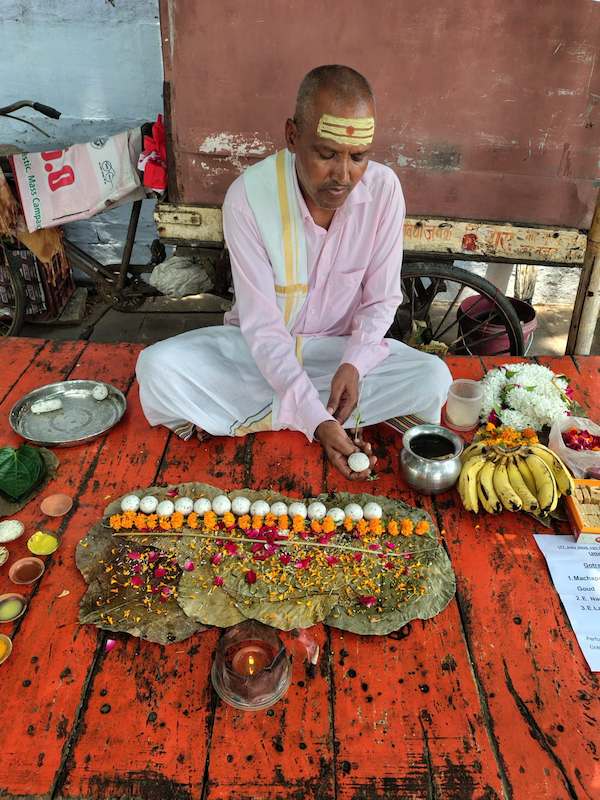
Varanasi holds a distinctive place in Hindu spiritual traditions, especially for families seeking to honor departed ancestors through prescribed rites. The sacred Ganga, revered ghats, and established ritual practices make the city an important destination for ancestral ceremonies. Among these observances, pinda pradanam in Varanasi is regarded as a meaningful offering performed with devotion, remembrance, and respect for departed family members.
The ceremony involves offerings known as pindas, traditionally prepared from rice and other prescribed materials under priestly guidance. Families may perform the rite at sacred locations such as the Ganga ghats or Pishachmochan Kund, depending on the ritual requirement and family tradition. Understanding the purpose, procedure, preparation, and available arrangements can help families approach the ceremony with greater clarity.
Spiritual Significance of Pind Pradanam in Kashi
Pind Pradanam is traditionally associated with remembrance of ancestors and prayers for their peace and spiritual progress. Hindu customs regard ancestral rites as an important expression of gratitude toward departed family members. The ceremony also represents the continuing relationship between generations, allowing descendants to fulfill responsibilities associated with ancestral remembrance.
Varanasi is especially significant because of its association with the Ganga and longstanding Hindu traditions. Families often choose sacred locations where the ritual can be performed according to established practices. The ceremony is generally guided by a purohit who explains the required steps, mantras, offerings, and sankalp according to the family’s circumstances.
Role of the Sankalp
Sankalp establishes the intention of the ceremony and identifies the people for whom the rite is being performed. Names and gotra details of departed ancestors are traditionally included during this portion. Accurate information helps the priest conduct the observance according to the stated purpose.
Meaning of the Pindas
Pindas are traditionally prepared rice offerings used during ancestral rites. Their preparation and offering form a central part of the ceremony. The priest guides the family through the appropriate sequence, ensuring that each offering is made with the required prayers and devotional intention.
Sacred Setting in Varanasi
The location contributes to the traditional character of the ceremony. Pind Daan may be performed along the Ganga ghats or at Pishachmochan Kund in Varanasi. Families may select the location according to the ritual requirement, accessibility, and guidance provided by the priest.
Who May Perform the Rite
Traditionally, the eldest son is often associated with performing ancestral rites, although circumstances can differ between families. When a male member is unavailable, women may also perform the ceremony. Family customs and priestly guidance can determine the appropriate approach for each situation.
Understanding Kashi me pind daan and Its Procedure
For families planning Kashi me pind daan, understanding the sequence beforehand can make the ceremony easier to approach. The customary process begins with preparation at the selected sacred location, followed by purification practices and collection of Ganga water. The priest then guides the family through sankalp and the preparation of pindas.
- Participants should carry accurate names and gotra details of departed family members.
- Clean, appropriate traditional clothing is generally preferred for the ceremony.
- Ritual materials are normally arranged according to the selected service.
- Families should follow the priest’s instructions regarding each offering and prayer.
Preparing for the Ceremony in Varanasi
Advance preparation can reduce uncertainty for families arriving from another city or country. Details such as the identity of the departed person, gotra, family tradition, preferred language, and intended ritual should be communicated before the ceremony. This information allows the priest to understand the family’s requirements and prepare the appropriate arrangements.
Families may also need to consider transportation and timing. The service information available for Varanasi includes arrangements connected with ritual materials, priest services, and transportation from the airport or railway station. Ceremony timings generally begin in the morning and continue until sunset, making prior coordination useful for visitors managing travel schedules.
Priest Guidance and Regional Customs
Ancestral ceremonies can differ according to regional, linguistic, and family traditions. A priest familiar with the family’s customary method can explain the procedure and ensure that the relevant prayers and practices are followed. This becomes particularly useful for families traveling to Varanasi from southern or eastern parts of India.
Telugu Ritual Traditions
Telugu-speaking families may prefer guidance from a Telugu Shashtri familiar with their traditional practices. Such assistance can make communication during sankalp and other portions of the ceremony easier for family members.
Tamil Ritual Traditions
Tamil families may seek the assistance of a Tamil Vadhyar for ancestral observances. Familiarity with regional customs can help maintain the customary form of prayers and instructions during the ceremony.
Hindi and Other Regional Practices
Hindi-speaking families and families following other regional customs can seek priests suited to their linguistic and cultural requirements. Regional familiarity can be valuable when the ceremony includes specific family practices.
Importance of Clear Communication
Families should share the relevant details before the ceremony rather than relying on last-minute explanations. Clear communication about language, community, names, gotra, and ritual expectations allows the priest to prepare more appropriately and guide participants with confidence.
Online Pind Daan for Families Unable to Travel
Physical travel to Varanasi is not always possible for every family. Distance, professional commitments, age, health limitations, or residence outside India can make an in-person ceremony difficult. Online arrangements provide an alternative through which the ritual can be performed by priests at the sacred location on behalf of the family.
For this arrangement, families provide relevant information concerning the departed ancestor, including the name and gotra. The priest performs the ceremony at the designated sacred setting according to the arranged procedure. Photographs, videos, and confirmation of the completed ritual can also help families remain connected to the observance despite being elsewhere.
Final Thoughts
What makes an ancestral ceremony meaningful beyond the ritual itself? It is the intention to remember, honor, and fulfill a traditional responsibility toward departed family members. For families seeking organized priestly assistance, Pitradev provides Pind Daan arrangements in Varanasi, including priest guidance, ritual materials, transportation support, regional-language priest options, and online ceremony arrangements for those unable to travel. The service information also includes different package levels for varying ritual requirements.
Families considering gaya shradh or ancestral observances at other sacred destinations can likewise review the relevant ritual requirements before planning their journey. Careful preparation, accurate family details, suitable priest guidance, and respect for established customs can help ensure that the ceremony is conducted with clarity and devotion.