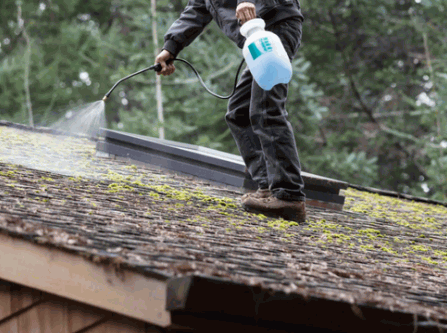
Removing moss from a roof may look like a straightforward weekend job. You see green growth on the tiles, grab a brush or pressure washer, apply a cleaning product and expect the roof to look new again.
The problem is that a roof is not just another outdoor surface. Tiles can crack, loosen, lose their protective surface or become damaged when the wrong tools and techniques are used. In some cases, an attempt to remove moss can create a bigger problem than the moss itself.
If you’re considering DIY roof cleaning moss removal, understanding the common mistakes can help you avoid unnecessary damage and know when professional help is the safer option.
Why Roof Moss Needs Careful Removal
Moss thrives in damp, shaded areas and can become established between and across roof tiles. It can retain moisture and trap organic debris, while heavy growth can make it difficult to see the actual condition of the roof underneath.
But removing it aggressively isn’t the answer.
The right approach depends on the roofing material, the condition of the tiles, how firmly the moss is attached and whether there are already damaged areas.
Before starting moss cleaning roof work, it is worth asking a simple question:
Am I removing the moss safely, or am I potentially damaging the roof to remove it?
Here are seven mistakes that can turn a routine cleaning job into an expensive repair.
1. Using a Pressure Washer on Roof Tiles
Pressure washing is one of the most common DIY mistakes.
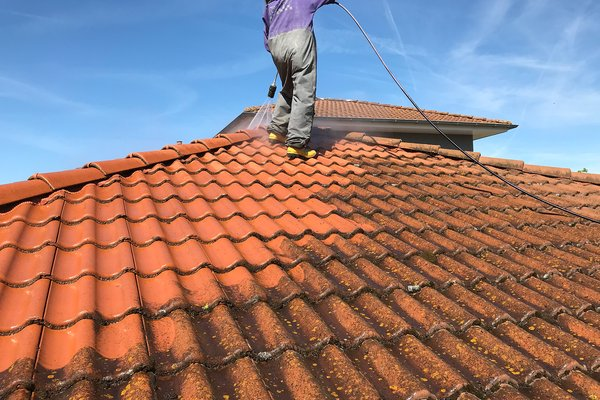
A pressure washer can make a roof look dramatically cleaner in a short amount of time, but the force of the water can be far too aggressive for some roofing materials.
High pressure can:
- Crack or dislodge tiles
- Damage weathered surfaces
- Remove protective finishes
- Force water underneath tiles
- Damage pointing or seals
- Spread debris into gutters and surrounding areas
The fact that a pressure washer removes moss effectively doesn’t mean it is appropriate for the roof.
A professional approach to moss removal from roof tiles should consider the tile type and condition before choosing a cleaning method.
2. Scraping Moss Away Too Aggressively
Manually removing moss can be a reasonable part of roof maintenance, but aggressive scraping creates another risk.
Using a hard metal scraper, attacking the surface repeatedly or trying to remove every last piece of moss in one session can damage the tile surface.
Older or weathered tiles may be particularly vulnerable.
The goal isn’t to make the roof spotless at any cost. The goal is to remove unwanted growth while preserving the roofing material.
If you are manually removing moss, work carefully and avoid tools that can gouge, chip or fracture the tiles.
3. Choosing a Moss Cleaner Without Checking the Roof Material
Not every moss cleaner for roof application is suitable for every roofing material.
Different products can have different chemical compositions, application instructions and limitations. A product that is appropriate for one surface may not be appropriate for another.
Before using a moss roof cleaner, check:
- Whether it is specifically suitable for your roofing material
- How it should be diluted
- Whether it requires rinsing
- How long it should remain on the surface
- Whether surrounding plants need protection
- Whether the manufacturer provides any specific warnings
More product does not necessarily mean better results.
Following the manufacturer’s instructions is far safer than assuming a stronger mixture will remove moss faster.
4. Walking on the Roof Without Understanding the Risks
Another common mistake is treating roof tiles like a normal walking surface.
Some tiles can crack under concentrated weight, particularly when they are old, brittle or already weakened. Stepping in the wrong place can also disturb tiles and create gaps.
Even if you don’t break anything immediately, repeatedly walking across the roof can increase the chance of damage.
There’s also the obvious risk of falling.
Roof cleaning involves working at height, often on wet and slippery surfaces. Moss, water and cleaning products can make the roof considerably more hazardous.
If safe access isn’t possible, DIY moss cleaning roof work may not be worth the risk.
5. Removing Moss Without Checking for Existing Damage
Moss can sometimes hide problems.
Before beginning roof cleaning moss removal, take the opportunity to inspect the roof from a safe position for signs such as:
- Broken tiles
- Cracked tiles
- Missing tiles
- Damaged flashing
- Blocked gutters
- Loose ridge tiles
- Damaged mortar
- Areas where water may be collecting
If you simply start scrubbing, you may miss an existing issue.
Worse, cleaning an already damaged section without realizing it could make the problem worse.
A professional roof inspection can be particularly useful when the roof is old, heavily covered with moss or difficult to access safely.
6. Ignoring Moss and Algae Together
Moss isn’t always the only growth affecting a roof.
You may also notice algae or dark staining across tiles. These problems can look similar from the ground but may require different treatment.
Effective moss algae removal starts with understanding what is actually growing on the roof.
Simply removing the visible moss may leave other organic growth behind. Likewise, aggressively treating the entire roof without identifying the problem can result in unnecessary chemical use.
If the roof has extensive moss, algae or lichen growth, a professional assessment can help determine the most appropriate treatment.
7. Assuming Moss Removal Means the Job Is Finished
One of the biggest DIY misconceptions is that physically removing the moss solves the problem permanently.
It doesn’t.
Moss can return when the conditions that encouraged it remain unchanged.
Factors such as:
- Shade
- Persistent moisture
- Overhanging trees
- Poor airflow
- Organic debris
- Blocked gutters
can all contribute to renewed growth.
After moss removal from roof tiles, ongoing maintenance may help slow the return of moss. Keeping gutters clear, trimming vegetation where appropriate and periodically checking the roof can make a difference.
What Is the Safest Way to Remove Roof Moss?
There isn’t one universal method for every roof.
The appropriate process depends on the roofing material, condition, age, amount of moss and accessibility.
A sensible approach usually begins with an inspection rather than immediately reaching for a pressure washer or chemical product.
The professional may then determine whether the roof needs:
- Gentle physical removal
- A suitable treatment product
- Low-pressure or controlled cleaning
- A combination of methods
- Repairs before cleaning
- Ongoing maintenance after treatment
The objective should always be effective moss removal with minimal impact on the roof itself.
When Should You Avoid DIY Moss Removal?
DIY cleaning may seem attractive when the moss problem appears small. However, professional help is worth considering when:
- The roof is steep
- The tiles are old or fragile
- Moss covers a large area
- You cannot safely access the roof
- Tiles are already cracked or loose
- There are signs of leaks
- You are unsure which product to use
- The roof has multiple types of buildup
- The property is several storeys high
In these situations, the potential cost of a fall or damaged roof can easily outweigh the money saved by doing the work yourself.
What About a Moss Remover Product?
A moss remover can be useful when it is appropriate for the roofing material and used exactly as directed.
However, buying a product is not the same as having a complete roof cleaning plan.
You still need to consider:
- How the product will be applied
- Whether it is suitable for the tiles
- Weather conditions during application
- Runoff and surrounding plants
- Safe access
- What happens to dead moss afterward
- Whether other roof problems need attention
A product should be treated as one part of the process, not a shortcut around proper roof care.
Why Professional Roof Moss Removal Can Be Worth It
Professional roof cleaners bring more than equipment to the job. Experience allows them to recognize different roofing materials, identify potential damage and choose a cleaning method appropriate to the roof.
A reputable contractor should also be willing to explain:
- What they found during the inspection
- Why they recommend a particular method
- What products will be used
- How the roof and surrounding property will be protected
- Whether repairs are needed before cleaning
- What maintenance can help prevent rapid regrowth
That transparency is an important part of choosing a reliable roof cleaning professional.
The Bottom Line
DIY roof moss removal can go wrong when homeowners treat the roof like a driveway or patio. Pressure washing, aggressive scraping, unsuitable chemicals and unsafe access can damage tiles or create safety problems.
The safest approach is to understand the condition of the roof first and use a method appropriate for the roofing material.
If the moss problem is extensive, the roof is difficult to access or you’re unsure how to proceed, professional moss cleaning roof services may be the better choice.
Good roof cleaning moss removal isn’t about making the roof look spotless as quickly as possible. It’s about removing moss and other organic growth while protecting the tiles and the roof system underneath.