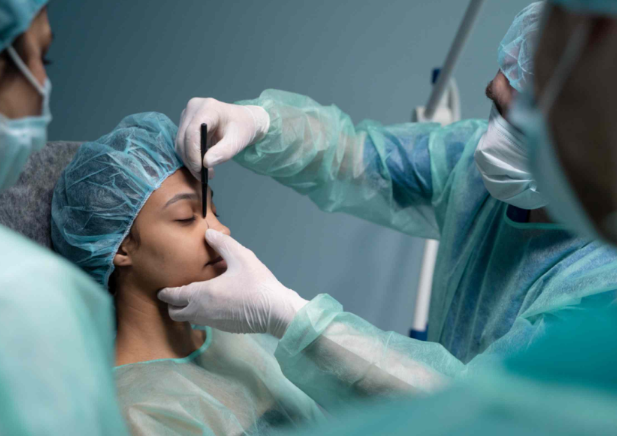
Cosmetic procedures have become increasingly accepted as individuals seek options to address aesthetic concerns or boost overall confidence. With this growing interest, patient safety has become equally important. Understanding how clinics maintain safety standards helps individuals make informed decisions and approach such procedures with clarity.
When considering cosmetic surgery in Delhi it is essential to understand the systems and protocols that support safe outcomes. Clinics are expected to adhere to established medical standards at every stage, from consultation to recovery. A careful approach helps reduce risks and ensures that patients receive appropriate care throughout their treatment journey.
Key Safety Standards Followed in Cosmetic Surgery Clinics
Safety in cosmetic procedures depends on a combination of medical protocols, clinical infrastructure, and trained professionals working in coordination. Each step of the treatment process is designed to minimise risks and ensure patient well-being. The following key safety standards are commonly followed in cosmetic surgery clinics:
Regulatory and Licensing Standards
Safety begins with proper regulation. Clinics offering cosmetic procedures must operate under valid licences issued by relevant health authorities. These licences confirm that the facility meets the requirements for infrastructure, equipment, and medical expertise.
In Delhi, established clinics follow national healthcare guidelines and maintain necessary certifications. These standards ensure that treatments are carried out in a controlled environment. Patients should verify whether a clinic complies with these regulations before proceeding with any treatment.
Qualification of Medical Professionals
The expertise of the medical team plays a central role in ensuring safety. Surgeons should have formal training in plastic or cosmetic surgery along with recognised qualifications. Their experience helps manage both routine and complex cases. Qualified anaesthetists and trained nursing staff also play an important role in maintaining patient safety. Their coordination ensures that procedures are carried out smoothly and that patient care is maintained at every stage.
Pre-Surgical Patient Evaluation
A detailed preoperative assessment helps determine whether a patient is suitable for the procedure. This includes reviewing medical history, existing conditions, and ongoing treatments. It also involves discussing expectations and possible outcomes in a clear and realistic manner.
Clinics that follow proper standards conduct thorough consultations. This approach helps identify potential risks and allows the medical team to carefully plan the procedure, ensuring that all safety considerations are addressed before proceeding.
Hygiene and Sterilisation Protocols
Maintaining hygiene is essential in any surgical setting. Clinics must follow strict cleanliness practices to reduce the risk of infections. Operating theatres should be regularly cleaned, and instruments must be sterilised before use.
Medical staff are expected to follow hygiene protocols, including hand hygiene and the use of protective equipment. Proper disposal of medical waste is also necessary to maintain a safe environment.
Use of Safe and Approved Equipment
The safety of cosmetic procedures also depends on the equipment used during treatment. Clinics must follow clear standards when selecting and maintaining medical devices.
Key aspects related to equipment safety include:
- Use of certified and approved medical devices.
- Regular maintenance and performance checks.
- Proper handling by trained professionals.
- Timely replacement of outdated equipment.
Following these practices supports consistent outcomes and reduces the chances of complications.
Informed Consent Process
Informed consent is a key part of ethical medical care and should feel like a conversation, not just paperwork. Patients need clear, simple information about the procedure, including possible risks, expected outcomes, and recovery timelines.
Clinics that follow good practices take the time to walk patients through each step, answer questions, and address concerns with patience. This open approach helps patients feel more confident about their choices and ensures they give consent with a clear understanding of what to expect.
Post-Surgical Care Standards
Care after the procedure is equally important in ensuring recovery. Clinics should provide clear guidance and maintain follow-up to monitor healing.
Important elements of post-surgical care include:
- Detailed instructions for wound care and maintaining hygiene.
- Clear guidance on activity levels, movement, and rest periods.
- Scheduled follow-up consultations to assess recovery.
- Monitoring for any signs of infection or complications that may need attention.
These steps help support recovery and reduce the likelihood of complications.
Emergency Preparedness
Clinics must be prepared to manage unexpected situations. Having proper systems in place ensures that any complications are handled effectively.
Key aspects of emergency preparedness include:
- Availability of essential emergency equipment for immediate use.
- Presence of trained medical staff equipped to handle critical situations.
- Clearly defined response protocols to guide timely action.
Such preparedness reflects a clinic’s commitment to patient safety.
How Patients Can Evaluate Safety Standards
Patients should take time to review important factors before selecting a clinic. Careful evaluation helps in making a more informed decision.
Before proceeding, patients should consider:
- Checking clinic licences and certifications to ensure compliance with regulations.
- Verifying the doctor’s qualifications, training, and relevant experience.
- Observing hygiene practices and overall cleanliness within the facility.
- Assessing how consultations are conducted, including clarity of communication.
These steps help individuals understand the clinic’s approach to safety and care.
Conclusion
With its growing medical infrastructure and access to specialised expertise, Delhi has become a preferred destination for individuals seeking aesthetic procedures. This makes it especially important to prioritise safety standards when selecting a clinic.
From regulatory compliance and qualified professionals to hygiene practices and post-surgical care, each aspect plays a vital role in supporting patient well-being. By understanding these factors, individuals considering cosmetic surgery in Delhi can make more informed decisions. Taking the time to evaluate clinics, ask the right questions, and review safety practices helps ensure a more confident and reassuring experience. This awareness ultimately supports safer choices and a smoother treatment journey from start to recovery.
