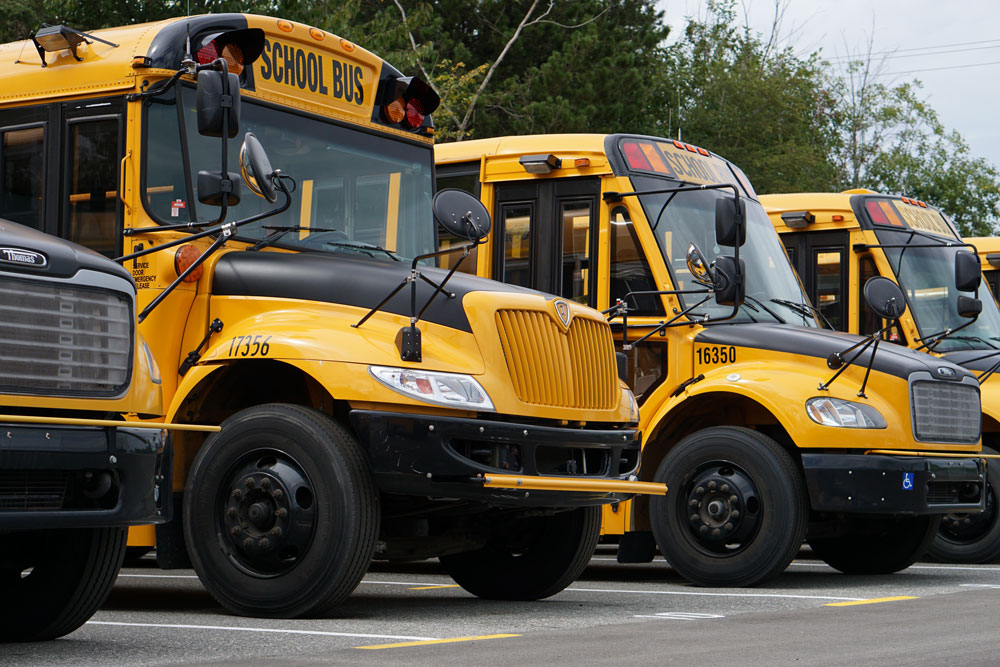
School bus fleet management software is a smart digital solution designed to help schools, transportation companies, and educational institutions manage their bus operations efficiently. It combines tools such as GPS tracking, route planning, driver management, maintenance scheduling, fuel monitoring, and student safety features into one platform.
Managing a school transportation system manually can be difficult and time-consuming. With hundreds of students traveling daily, schools need a reliable system to ensure safety, punctuality, and operational efficiency. School bus fleet management software simplifies these tasks while improving communication between schools, drivers, and parents.
What Is School Bus Fleet Management Software?
School bus fleet management software is a transportation management system specifically created for school bus operations. It allows administrators to monitor buses in real time, optimize routes, track vehicle performance, and manage transportation schedules from a centralized dashboard.
The software can be cloud-based or mobile-friendly, allowing transportation managers to access important data anytime and anywhere.
Key Features of School Bus Fleet Management Software
1. Real-Time GPS Tracking
GPS tracking is one of the most important features. It allows schools and parents to know the exact location of a bus in real time.
Benefits include:
- Improved student safety
- Better route visibility
- Reduced delays
- Quick emergency response
- Accurate arrival time updates
Parents can often receive notifications when the bus is approaching or when students are picked up and dropped off.
2. Route Optimization
Efficient route planning helps schools reduce travel time and fuel costs. The software analyzes traffic patterns, road conditions, and stop locations to create the best possible routes.
Advantages include:
- Shorter travel times
- Lower fuel consumption
- Reduced vehicle wear and tear
- Improved punctuality
Optimized routes also help reduce driver stress and improve overall transportation efficiency.
3. Student Attendance Tracking
Many school bus management systems include student ridership tracking. Students scan ID cards or use RFID technology when entering or exiting the bus.
This feature helps schools:
- Monitor student attendance
- Ensure children board the correct bus
- Notify parents about pickup and drop-off
- Improve student accountability
4. Fleet Maintenance Management
Regular maintenance is essential for school bus safety. Fleet management software tracks maintenance schedules and vehicle inspections.
The system can send reminders for:
- Oil changes
- Tire replacements
- Brake inspections
- Engine servicing
- Safety checks
Preventive maintenance reduces breakdowns and extends vehicle lifespan.
5. Driver Management
The software helps administrators manage driver information, schedules, certifications, and performance.
Key benefits include:
- Monitoring driving behavior
- Tracking driver attendance
- Managing licenses and certifications
- Improving driver accountability
- Reducing unsafe driving practices
Some systems also monitor speeding, harsh braking, and idle time.
6. Fuel Management
Fuel expenses are a major cost for school transportation departments. School bus fleet management software tracks fuel usage and identifies inefficiencies.
This helps schools:
- Reduce fuel waste
- Monitor fuel theft
- Improve mileage
- Lower operational costs
7. Mobile Applications for Parents
Many modern systems include parent mobile apps. These apps improve communication and provide peace of mind.
Parents can:
- Track bus location live
- Receive delay notifications
- Get pickup and drop-off alerts
- View transportation schedules
This increases transparency and parent satisfaction.
Benefits of School Bus Fleet Management Software
Improved Student Safety
Student safety is the top priority for schools. GPS tracking, driver monitoring, and attendance systems help ensure children are transported securely every day.
Better Operational Efficiency
Automating manual tasks saves time and reduces administrative workload. Transportation managers can easily organize routes, schedules, and maintenance tasks from one platform.
Reduced Transportation Costs
Fuel optimization, preventive maintenance, and efficient routing help schools lower transportation expenses.
Enhanced Communication
Real-time notifications and mobile apps improve communication between schools, drivers, and parents.
Regulatory Compliance
The software helps schools maintain transportation records, driver certifications, and vehicle inspections to meet safety regulations.
Who Uses School Bus Fleet Management Software?
This software is commonly used by:
- Public schools
- Private schools
- School districts
- Transportation contractors
- Educational institutions
- Bus fleet operators
Any organization managing student transportation can benefit from using a digital fleet management system.
How School Bus Tracking Improves Safety
Modern school bus tracking systems provide instant visibility into transportation activities. Administrators can quickly respond to emergencies, delays, or route changes.
Safety improvements include:
- Real-time emergency alerts
- Driver behavior monitoring
- Unauthorized stop detection
- Student boarding verification
- Faster communication during incidents
These features help schools build a safer transportation environment for students.
Cloud-Based School Bus Fleet Management
Cloud-based solutions are becoming increasingly popular because they offer:
- Remote access
- Automatic updates
- Data backup
- Scalability
- Lower IT costs
Cloud systems allow transportation managers to monitor operations from desktops, tablets, or smartphones.
Choosing the Best School Bus Fleet Management Software
When selecting a solution, schools should consider the following factors:
Ease of Use
Choose software with a simple and user-friendly interface.
GPS Accuracy
Accurate real-time tracking is essential for safety and reliability.
Integration Options
The system should integrate with existing school management tools.
Mobile Accessibility
Mobile apps for parents and drivers improve communication and convenience.
Customer Support
Reliable technical support is important for smooth operations.
Reporting Features
Detailed reports help schools analyze transportation performance and costs.
Future Trends in School Bus Fleet Management
Technology continues to improve school transportation systems. Future trends include:
- AI-powered route optimization
- Electric bus fleet monitoring
- Predictive maintenance
- Advanced student tracking
- Smart traffic integration
- Automated reporting systems
These innovations will further improve safety, efficiency, and sustainability.
Conclusion
School bus fleet management software is an essential solution for modern educational transportation systems. It helps schools improve student safety, optimize routes, reduce operational costs, and enhance communication with parents.
By using features like GPS tracking, maintenance scheduling, fuel management, and student attendance monitoring, schools can create a safer and more efficient transportation experience for everyone involved.
As technology continues to evolve, school bus fleet management systems will become even more advanced, helping schools provide reliable and secure transportation services for students every day.