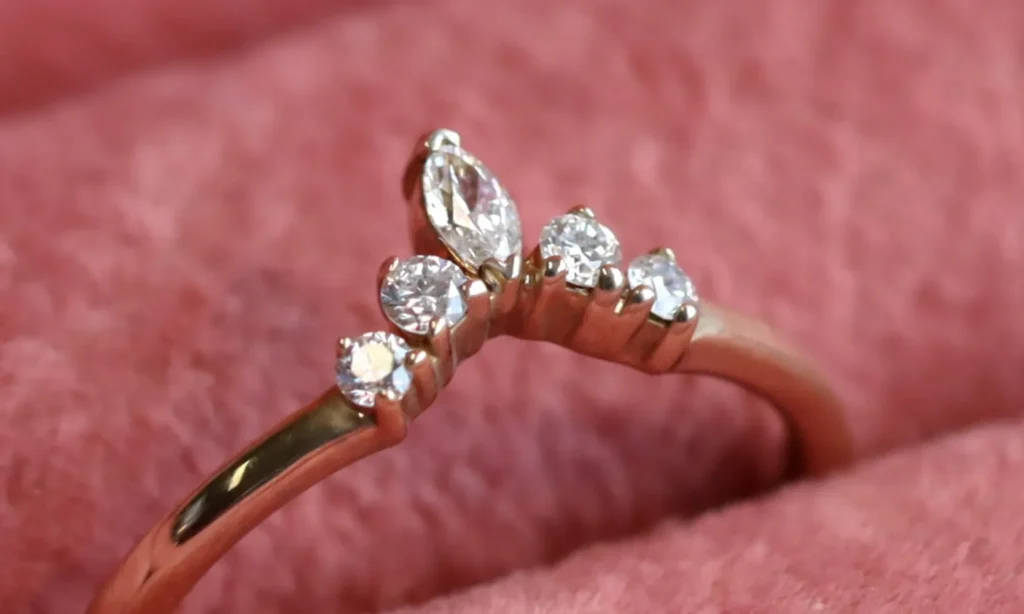
A beautiful engagement ring does not always have to feature a natural diamond. Simulated diamond rings offer an attractive alternative for shoppers who want the appearance of a traditional diamond while exploring different materials, styles, and price points. These rings can be designed in classic solitaire settings, modern halo designs, elegant three-stone styles, and many other silhouettes.
Whether you are shopping for an engagement ring, anniversary gift, or everyday jewelry, understanding what simulated diamonds are and how they differ from natural and lab-grown diamonds can help you make a more informed choice.
What Are Simulated Diamond Rings?
Simulated diamond rings feature stones that are designed to resemble the appearance of natural diamonds but are not diamonds themselves. Common diamond simulants include cubic zirconia (CZ) and moissanite. These materials have their own optical and physical properties, which means they can look similar to diamonds while differing in hardness, brilliance, durability, and composition.
This distinction is important when shopping for a ring. A diamond simulant should not be represented as a mined or laboratory-grown diamond because it is a different gemstone.
Simulated diamond rings can still provide an elegant appearance, making them an option for people who prioritize style and want to explore alternatives to traditional diamond jewelry.
How Do Simulated Diamonds Compare With Natural Diamonds?
Natural diamonds form naturally beneath the Earth’s surface over extremely long geological periods. They consist primarily of carbon arranged in a crystal structure that gives them their characteristic hardness and optical properties.
Simulated stones, on the other hand, are different gemstones or materials that imitate the visual characteristics of diamonds.
Here are some key differences:
| Feature | Simulated Diamonds | Natural Diamonds |
|---|---|---|
| Composition | Depends on the simulant | Carbon |
| Origin | Typically manufactured | Naturally formed |
| Appearance | Diamond-like | Natural diamond |
| Hardness | Varies by material | Very high |
| Price | Generally lower | Typically higher |
| Gemstone identity | Not a diamond | Diamond |
The right choice depends on what you value most, including appearance, durability, gemstone identity, budget, and personal preference.
Simulated vs. Lab-Grown Diamonds
One of the most common points of confusion is the difference between simulated diamonds and lab-grown diamonds.
Lab-grown diamonds are actual diamonds. They have essentially the same chemical composition and crystal structure as natural diamonds, although they are created in controlled laboratory environments rather than formed naturally underground.
Simulated diamonds are different. They are materials selected because they resemble diamonds visually.
For example, moissanite is a diamond simulant, while a laboratory-created diamond is still a diamond.
If gemstone identity is important to you, always check the product description and certification information before purchasing.
Popular Types of Diamond Simulants
Different materials can be used to create diamond-like jewelry. Two of the most recognizable options are cubic zirconia and moissanite.
Cubic Zirconia
Cubic zirconia is one of the most widely known diamond simulants. It is a manufactured crystalline material that can provide a bright, diamond-like appearance.
CZ is available in various shapes and sizes, making it suitable for rings, earrings, pendants, and other jewelry. Because it is softer than diamond, however, it can be more susceptible to scratching and wear over time.
Moissanite
Moissanite is another popular diamond simulant. It has a high level of brilliance and can produce noticeable fire, meaning flashes of spectral colors under certain lighting conditions.
Moissanite is also considerably durable, making it suitable for everyday jewelry. Its optical appearance differs somewhat from diamond, so shoppers should view it as its own gemstone rather than simply a replacement for a diamond.
Why Choose Simulated Diamond Rings?
There are several reasons shoppers consider simulated diamond rings when looking for a beautiful piece of jewelry.
A Variety of Styles
Simulated stones can be incorporated into virtually any ring setting. You can find solitaire, halo, three-stone, vintage-inspired, and contemporary designs.
The choice of setting can significantly influence how the center stone looks. A halo setting, for example, can make the center stone appear larger, while a solitaire setting places more visual emphasis on the center gemstone.
Different Price Points
One reason people explore diamond simulants is that they can offer different price points from natural diamonds. This may allow shoppers to consider larger stones or more elaborate settings while staying within a particular jewelry budget.
However, price should not be the only consideration. The material, craftsmanship, metal type, setting quality, and long-term durability also affect a ring’s value and suitability.
Strong Visual Appeal
High-quality simulants can offer impressive brilliance and sparkle. Depending on the material, cut, lighting, and setting, a simulated gemstone can create an eye-catching center stone for an engagement or fashion ring.
More Design Flexibility
Because simulants are available in a broad range of sizes and shapes, shoppers can explore designs that may be less common with traditional diamond purchases.
Popular shapes include:
- Round
- Oval
- Emerald
- Cushion
- Princess
- Pear
- Marquise
- Radiant
How to Choose Simulated Diamond Rings
Choosing the right ring involves more than selecting the largest or brightest stone. Consider the following factors before making a purchase.
1. Choose the Right Simulant
Start by deciding which material fits your priorities. CZ and moissanite have different characteristics, particularly when it comes to hardness, brilliance, and long-term wear.
If you want a stone for everyday use, durability may deserve greater consideration than initial appearance alone.
2. Consider the Cut
The cut influences how effectively a gemstone interacts with light. A well-cut stone can appear brighter and more visually balanced.
Round cuts are popular for their classic appearance, while oval and elongated shapes can create a different visual effect on the finger.
3. Select the Metal
The ring’s metal can change its overall appearance. Common options include:
- 14K gold
- 18K gold
- White gold
- Yellow gold
- Rose gold
- Platinum
White metals can create a seamless look with a colorless stone, while yellow and rose gold offer stronger contrast.
4. Select a Comfortable Setting
A ring should look attractive while remaining practical for the wearer. Consider the height of the center stone, prong configuration, band width, and overall construction.
For an engagement ring that will be worn daily, a secure setting is particularly important.
5. Check Product Details
Before purchasing, carefully review the gemstone description. Look for information about the type of simulant, stone measurements, metal purity, ring size, and care instructions.
If the seller provides gemstone documentation or grading information, review it carefully to understand exactly what you are buying.
Are Simulated Diamond Rings Good for Engagement Rings?
Simulated diamond rings can be used as engagement rings, particularly for shoppers who appreciate their appearance and want an alternative to traditional diamond jewelry.
The key consideration is whether the gemstone’s characteristics match the wearer’s expectations. An engagement ring is often worn every day, so durability, setting security, maintenance, and comfort matter.
Moissanite, for example, is known for its durability and can be suitable for regular wear. Other simulants may be better suited to occasional or fashion jewelry depending on their physical properties.
Ultimately, the best ring is one that matches your preferred gemstone, style, lifestyle, and budget.
Simulated Diamond Ring Styles to Consider
Your preferred style can help narrow down the many available options.
Classic Solitaire
A solitaire features one primary center stone. Its simple design keeps attention on the gemstone and works well for people who prefer timeless jewelry.
Halo Ring
A halo setting surrounds the center stone with smaller gemstones. This can add additional sparkle and create a more elaborate appearance.
Three-Stone Ring
Three-stone rings feature a central gemstone accompanied by two side stones. The design can create a balanced, symmetrical appearance and works well for both classic and contemporary styles.
Vintage-Inspired Ring
Vintage-inspired settings often incorporate detailed metalwork, milgrain edges, engraving, or decorative side stones. These designs can provide a distinctive alternative to minimalist rings.
Modern Minimalist Ring
A minimalist ring typically uses clean lines and fewer decorative details. This style can be practical for everyday wear and pairs easily with other jewelry.
How to Care for a Simulated Diamond Ring
Proper maintenance can help keep your ring looking its best.
Clean the ring regularly using a gentle jewelry-cleaning method appropriate for its gemstone and metal. Avoid harsh chemicals unless the manufacturer specifically confirms that they are safe.
It is also useful to inspect the setting periodically. Loose prongs or damaged metal can increase the risk of losing the center stone.
When you are not wearing the ring, store it separately from harder jewelry to minimize scratches. A soft-lined jewelry box or pouch can provide additional protection.
For valuable or frequently worn pieces, professional inspection can help identify setting problems before they become more serious.
Are Simulated Diamond Rings Worth Considering?
Simulated diamond rings can be a practical option for shoppers who want diamond-like sparkle while considering alternative gemstones. They provide access to different materials, cuts, styles, and price ranges.
However, simulated diamonds should not be confused with natural or lab-grown diamonds. Understanding this distinction allows you to compare jewelry accurately and select a ring based on its actual gemstone characteristics.
When shopping, focus on the gemstone type, cut quality, metal, craftsmanship, setting security, and care requirements rather than appearance alone.
Find a Ring That Matches Your Style
The right engagement or fashion ring should reflect your personal taste and fit comfortably into your everyday lifestyle. Whether you prefer a traditional solitaire, a sparkling halo, or a distinctive vintage-inspired design, exploring different gemstone options can make the selection process easier.
Brilani offers jewelry designs for shoppers exploring different styles and gemstone choices, making it possible to focus on the combination of appearance, craftsmanship, and personal preference that fits your needs.
Frequently Asked Questions
Are simulated diamonds real diamonds?
No. Simulated diamonds are not diamonds. They are gemstones or materials that resemble diamonds, such as moissanite or cubic zirconia. Lab-grown diamonds, by comparison, are actual diamonds created in controlled environments.
What is the difference between moissanite and simulated diamonds?
Moissanite is itself a diamond simulant. The term “diamond simulant” describes materials that resemble diamonds without being diamonds, while moissanite identifies a specific gemstone material.
Can simulated diamond rings be worn every day?
It depends on the type of simulant and the ring’s construction. Durable materials such as moissanite can be suitable for everyday wear, while softer materials may require more care.
Do simulated diamonds look like real diamonds?
Many simulants can closely resemble diamonds, especially when viewed in jewelry. However, differences in brilliance, fire, dispersion, hardness, and other physical properties can distinguish them from diamonds.
Are simulated diamond rings suitable for engagement rings?
Yes. A simulated gemstone can be used in an engagement ring if the wearer understands the gemstone type and is comfortable with its characteristics, durability, and appearance.
How should I clean a simulated diamond ring?
Cleaning instructions depend on the gemstone and metal. Use a gentle cleaning method recommended for the specific stone and avoid harsh chemicals unless they are confirmed to be safe.