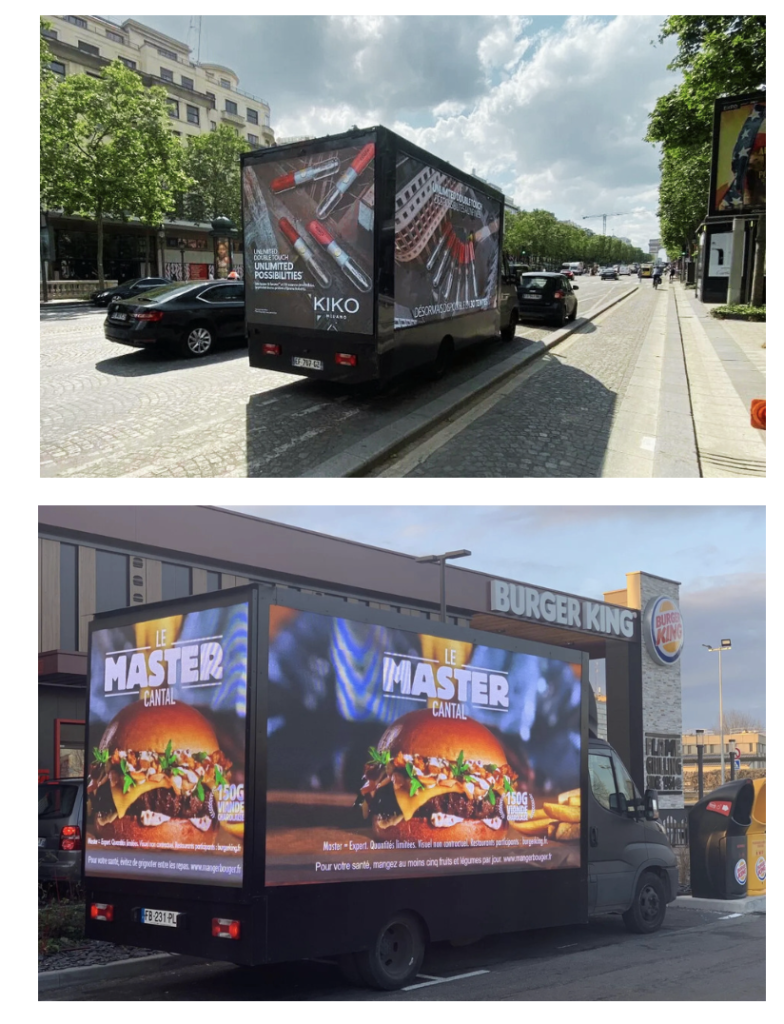
Street Advertising remains one of the most effective marketing strategies for businesses looking to increase brand awareness, attract local customers, and create lasting impressions. Unlike digital ads that disappear with a scroll, street advertising reaches people during their daily routines, making it a powerful tool for building brand recognition.
From billboards and digital screens to mobile LED vehicles, transit media, wall murals, bus wraps, posters, projections, and other out-of-home (OOH) advertising formats, businesses can engage thousands of potential customers every day. Whether you’re launching a new product, promoting an event, or strengthening your brand presence, street advertising delivers unmatched visibility.
This guide explores everything you need to know about street advertising, its benefits, popular formats, and how to create successful outdoor advertising campaigns.
What Is Street Advertising?
Street advertising refers to promotional messages displayed in public spaces where pedestrians and motorists can easily see them. It falls under the broader category of Out-of-Home (OOH) advertising and is designed to reach audiences outside their homes.
Unlike online advertising, street advertising provides continuous exposure throughout the day without relying on internet access or mobile devices.
Common street advertising formats include:
- Large roadside billboards
- Digital LED screens
- Mobile LED advertising trucks
- Bus advertising
- Transit shelters
- Building projections
- Wall murals
- Street posters
- Vehicle wrapping
- Retail window graphics
Businesses of all sizes use these advertising methods to capture attention in busy urban environments.
Why Street Advertising Is Still Highly Effective
Despite the growth of online marketing, street advertising continues to produce excellent results because it reaches consumers in the real world.
High Visibility
Outdoor advertisements are impossible to skip or block. Every commuter, pedestrian, cyclist, or driver passing the location has an opportunity to see the message.
Constant Brand Exposure
Unlike digital ads with limited display time, outdoor advertising remains visible 24 hours a day, creating repeated exposure that strengthens brand recall.
Builds Trust
Well-designed outdoor advertisements give businesses greater credibility. Consumers often associate professionally displayed advertisements with established and trustworthy companies.
Supports Digital Marketing
Many successful campaigns combine outdoor advertising with QR codes, social media hashtags, or website URLs, encouraging viewers to continue their journey online.
Popular Types of Street Advertising
Businesses can choose from several outdoor advertising options depending on their goals and budget.
Billboards
Traditional billboards remain one of the most recognizable forms of street advertising. Located along highways and busy roads, they provide massive visibility to thousands of commuters daily.
Billboards work particularly well for:
- Brand awareness
- Product launches
- Retail promotions
- Local services
- Event marketing
Digital Screens
Digital billboards and LED displays allow advertisers to rotate multiple messages throughout the day.
Benefits include:
- Dynamic video content
- Time-sensitive promotions
- Bright displays
- Easy content updates
- Multiple advertisers sharing one screen
Digital advertising creates stronger visual engagement than static posters.
Mobile LED Vehicles
Mobile LED advertising trucks bring advertisements directly to target audiences.
Instead of waiting for customers to pass a billboard, businesses can drive promotional campaigns through:
- Shopping districts
- Business parks
- Sporting events
- Concerts
- Festivals
- Tourist areas
This highly flexible advertising method increases campaign reach.
Transit Media
Transit advertising uses public transportation as moving billboards.
Examples include:
- Bus wraps
- Bus shelter posters
- Train advertisements
- Taxi branding
- Tram advertising
Transit media reaches commuters multiple times throughout their daily journeys.
Wall Murals
Creative murals transform blank walls into memorable brand experiences.
These large artistic displays often become popular social media backgrounds, generating additional online exposure through user-generated content.
Murals work exceptionally well for:
- Lifestyle brands
- Restaurants
- Fashion companies
- Entertainment businesses
- Tourism campaigns
Building Projections
Projection advertising uses powerful projectors to display large digital visuals onto buildings.
Advantages include:
- Eye-catching displays
- Temporary campaigns
- Night-time promotions
- Interactive experiences
- Event marketing
Projection campaigns create excitement and attract public attention.
Posters
Street posters remain one of the most affordable advertising methods.
Businesses commonly use posters for:
- Grand openings
- Music events
- Community festivals
- Product launches
- Promotional offers
Strategic placement significantly improves campaign performance.
Vehicle Wrapping
Vehicle wraps transform company cars, vans, buses, and trucks into moving advertisements.
Benefits include:
- Long-term branding
- Daily impressions
- Local visibility
- Cost-effective marketing
Wrapped vehicles promote businesses wherever they travel.
Benefits of Street Advertising for Businesses
Street advertising offers several advantages over many traditional marketing methods.
Broad Audience Reach
Outdoor advertising reaches diverse demographics, including commuters, tourists, office workers, shoppers, and residents.
Local Targeting
Businesses can advertise near stores, service areas, or event venues to reach relevant customers.
Increased Brand Recognition
Repeated exposure improves brand recall and encourages future purchasing decisions.
Long Campaign Lifespan
Many outdoor advertisements remain visible for weeks or months, providing continuous exposure.
Supports Multiple Marketing Channels
Street advertising complements:
- Social media campaigns
- Search engine optimization (SEO)
- Television advertising
- Radio campaigns
- Email marketing
Integrated campaigns often achieve better overall results.
Best Practices for Successful Street Advertising
To maximize campaign effectiveness, businesses should follow proven advertising principles.
Keep the Message Simple
Most people only have a few seconds to read outdoor advertisements.
Use:
- Short headlines
- Large fonts
- Strong visuals
- Clear branding
- Simple call-to-action
Avoid cluttering advertisements with excessive information.
Choose Strategic Locations
Location determines campaign success.
Ideal locations include:
- Busy intersections
- Shopping centres
- Highways
- Business districts
- Tourist attractions
- Entertainment venues
High traffic generates greater exposure.
Use High-Quality Design
Professional graphic design increases visibility and readability.
Effective designs feature:
- Bold colours
- High contrast
- Large images
- Minimal text
- Strong branding
An attractive advertisement captures attention quickly.
Include a Call-to-Action
Every advertisement should encourage viewers to take action.
Examples include:
- Visit our website
- Scan the QR code
- Call today
- Shop now
- Book online
- Visit our showroom
Simple calls-to-action improve conversion rates.
Measuring the Success of Street Advertising
Although outdoor advertising is offline, businesses can still evaluate campaign performance.
Common measurement methods include:
- QR code tracking
- Website traffic increases
- Landing page visits
- Phone inquiries
- Store visits
- Promotional coupon usage
- Customer surveys
- Social media engagement
Tracking results helps improve future campaigns.
Industries That Benefit from Street Advertising
Almost every industry can benefit from outdoor advertising.
Popular sectors include:
- Retail
- Real estate
- Healthcare
- Automotive
- Hospitality
- Restaurants
- Education
- Fitness
- Tourism
- Entertainment
- Financial services
- Home improvement
Whether targeting local residents or national audiences, street advertising delivers strong brand exposure.
The Future of Street Advertising
Technology continues to transform outdoor advertising.
Modern innovations include:
- Interactive digital displays
- AI-powered audience targeting
- Smart digital billboards
- Programmatic DOOH advertising
- Augmented reality experiences
- Environmentally friendly display materials
- Solar-powered digital screens
These innovations make street advertising more engaging, measurable, and effective than ever before.
Conclusion
Street Advertising continues to be one of the most powerful ways to build brand awareness and connect with audiences in the physical world. Whether through billboards, digital screens, mobile LED vehicles, transit media, wall murals, posters, projections, or vehicle wraps, businesses can deliver memorable messages where people live, work, shop, and travel.
