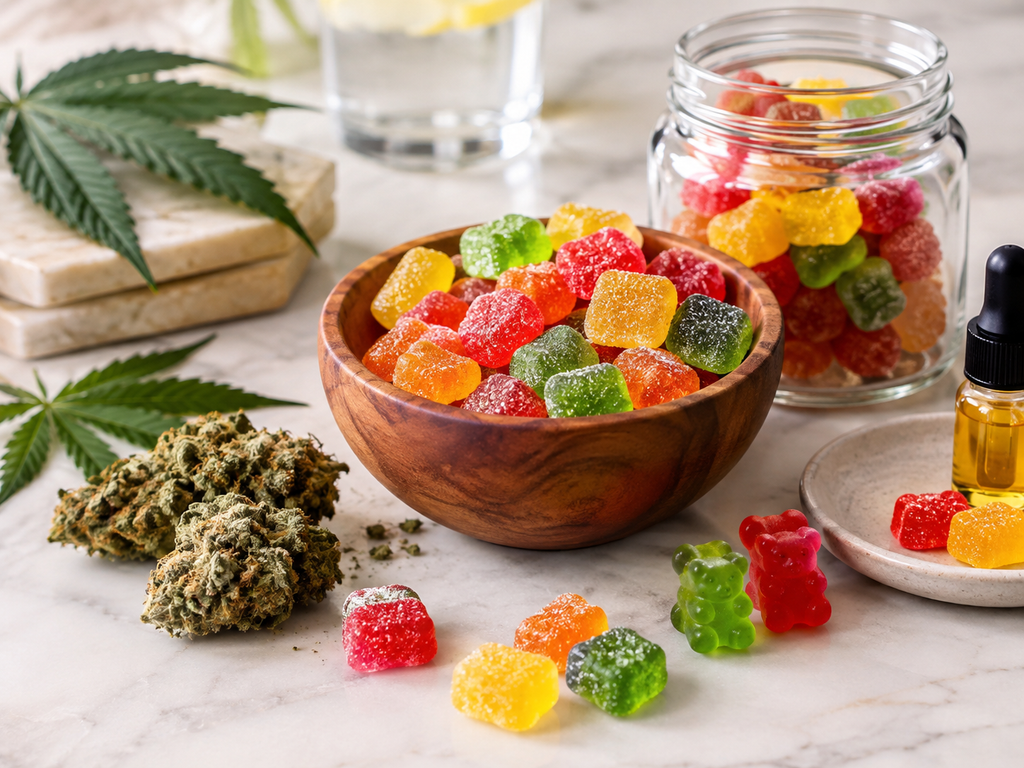
Weed edibles come in many forms, including gummies, chocolates, candies, baked goods, and other infused foods. Among these products, THC candy edibles have become especially recognizable because they combine familiar snack-like formats with tetrahydrocannabinol, the psychoactive cannabinoid commonly associated with Weed. Unlike inhaled Weed, edible THC passes through the digestive system before producing noticeable effects, which can make the experience slower and longer lasting. For adults considering these products where they are lawful, understanding serving size, delayed onset, storage, impairment, and individual sensitivity is essential for reducing avoidable risks.
What Are THC Candy Edibles?
THC candy edibles are food products formulated with measurable amounts of tetrahydrocannabinol.
They may include gummies, hard candies, chocolate products, cereal-style bites, chews, or similar snack formats. The referenced collection, for example, includes gummies, chocolate products, and a pebble-style edible among its listed products.
Because THC is psychoactive, these products are fundamentally different from ordinary candy even when their appearance is similar.
The amount of THC can vary significantly between products and even between individual serving formats, so consumers should always examine the label before use.
Why Do Edibles Feel Different From Inhaled Weed?
The body processes orally consumed THC differently from inhaled THC.
When Weed is smoked or vaporized, effects can begin relatively quickly because cannabinoids enter the bloodstream through the lungs. Edible THC must first pass through digestion and liver metabolism.
CDC materials note that edible Weed can have delayed and less predictable effects compared with inhaled forms. Research cited by CDC has also shown that peak blood concentrations after ingestion can occur considerably later than after smoking.
This delayed response is one reason THC candy edibles can be easy to overconsume. Someone may take another serving because they believe the first has not worked, only to experience stronger effects later.
Why Is Serving Size So Important?
Serving size is one of the most important pieces of information on an edible label.
A package may contain one serving or several servings, and the total THC content may be much higher than the amount intended for a single use.
Consumers should distinguish between:
- THC per serving
- Number of servings in the package
- Total THC in the package
- Presence of other cannabinoids
With THC candy edibles, eating the entire package without checking the serving information can result in consuming much more THC than intended.
People with little or no Weed experience may be particularly sensitive to THC, so caution is important.
How Long Should You Wait Before Assuming an Edible Has Taken Effect?
There is no universal onset time because digestion and metabolism vary.
Factors that can influence the experience include:
- Amount consumed
- Individual metabolism
- Body composition
- Recent meals
- Previous Weed use
- Other substances consumed
- THC concentration
The slower onset of edible Weed means taking additional servings too soon can increase the risk of unpleasant intoxication.
Possible adverse effects associated with excessive THC exposure can include anxiety, confusion, nausea, vomiting, increased heart rate, and hallucinations. FDA has documented reports of adverse events involving edible THC products that required medical attention in some cases.
Why Can Candy-Style THC Products Create Accidental Ingestion Risks?
Appearance matters when Weed is packaged as food.
The FDA has warned that THC-containing foods can be mistaken for ordinary candies, cereals, cookies, or snacks, especially by children. The agency has documented cases in which accidental consumption led to serious adverse effects.
This makes secure storage especially important for THC candy edibles.
Products should remain in clearly labeled packaging and be kept somewhere inaccessible to children and pets.
They should not be transferred into ordinary candy jars, snack bags, lunch containers, or other unlabeled packaging where someone could consume them unknowingly.
Can THC Edibles Impair Driving?
Yes.
THC can impair attention, coordination, reaction time, judgment, and other abilities needed for safe driving.
Because edible effects may last for several hours, consumers should not assume they are safe to drive simply because they no longer feel strongly intoxicated.
The referenced product collection itself states that its hemp-derived THC products are intended for adults 21 and older and should not be used while driving or operating heavy machinery.
Anyone consuming THC candy edibles should plan transportation before using them rather than deciding whether to drive after effects begin.
What Happens When THC Is Combined With Alcohol?
Using THC with alcohol can increase impairment and make effects harder to predict.
CDC notes that combining Weed with other substances such as alcohol may increase the risk of harm.
The combination may intensify dizziness, poor coordination, nausea, or impaired judgment.
At parties or social gatherings, edible Weed should therefore be clearly separated from ordinary snacks and alcoholic beverages.
Guests should know exactly which foods contain THC before consuming anything.
What Should You Look for Before Using an Edible?
Consumers should review packaging and product information carefully.
Important details include:
- THC content per serving
- Total THC per package
- Ingredient list
- Allergens
- Suggested serving size
- Laboratory testing information
- Storage instructions
- Age restrictions
- Product warnings
Products with vague cannabinoid amounts or incomplete labeling should be approached cautiously.
The FDA also notes that Weed-derived products are subject to specific federal regulatory restrictions, and the legal treatment of THC products can vary based on formulation and jurisdiction.
Are THC Candy Edibles Legal Everywhere?
No.
Weed and hemp-derived THC laws vary widely across states and can change over time.
Rules may govern:
- Maximum THC concentration
- Product type
- Age limits
- Packaging
- Testing
- Retail channels
- Shipping
- Possession
- Public consumption
A product being available online does not automatically mean it can legally be purchased, possessed, or shipped into every jurisdiction.
Adults interested in THC candy edibles should therefore check current local and state laws before purchasing or possessing them.
Who Should Use Extra Caution?
Some people should be particularly careful with THC products.
The FDA advises against Weed use during pregnancy or breastfeeding because of potential health risks.
People taking prescription medications, managing certain medical conditions, or concerned about mental health effects should also speak with an appropriate healthcare professional before using THC.
Older adults may experience additional risks related to dizziness, balance, or interactions with medications.
Anyone experiencing severe confusion, chest pain, unconsciousness, persistent vomiting, or another serious reaction should seek appropriate medical attention.
How Should THC Edibles Be Stored?
Safe storage is especially important for candy-style products.
Keep THC candy edibles in their original packaging whenever possible and store them somewhere that children, teenagers, guests, and pets cannot access.
A locked container may be appropriate in households where accidental access is possible.
Avoid leaving edibles on kitchen counters, coffee tables, inside ordinary snack cabinets, or in refrigerators without clear separation from regular food.
It is also useful to tell other adults in the household exactly where cannabinoid products are stored so they are not mistaken for conventional snacks.
Conclusion
Edible Weed can provide a different experience from inhaled THC, but the familiar appearance of candies and snacks should not make these products seem harmless. Delayed onset, serving size, individual sensitivity, impairment, secure storage, and legal restrictions all require careful attention. Someone considering a product such as a THC Pebble Bite should first review the cannabinoid content, serving instructions, ingredient information, testing documentation, and applicable local laws before deciding whether it is appropriate for them. When used legally and responsibly, THC candy edibles should still be treated as psychoactive Weed products rather than ordinary confectionery. Careful dosing, avoiding driving, keeping products away from children, and waiting long enough to understand the effects of a serving are among the most important steps for reducing preventable harm.