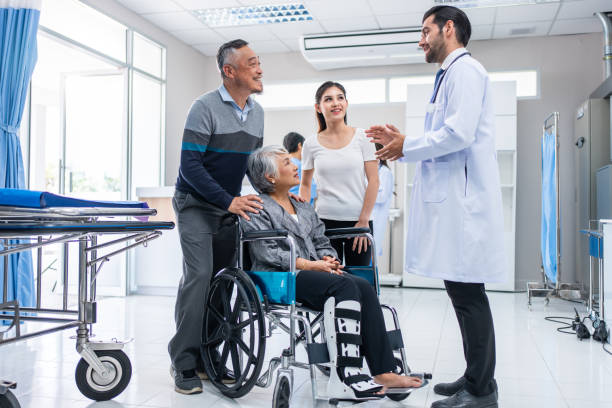
As the population ages and the demand for in-home care increases, the need for qualified and well-trained caregivers becomes ever more essential. However, there is often confusion between two key types of training: caregiver training and home care training. While both are designed to prepare individuals for caregiving roles, they focus on different aspects of the care process. Understanding the differences between these two types of training can help ensure that caregivers and home care professionals are properly equipped to provide the best care possible.
What is Caregiver Training?
Caregiver training is typically focused on equipping individuals with the skills necessary to provide personal and emotional care to individuals in need. It covers a wide range of topics, including medical care, daily assistance with tasks, emotional support, and companionship. This training can be offered in various settings, such as hospitals, senior centers, or home environments.
Caregivers may be hired to work with elderly individuals, people with disabilities, or those recovering from surgery or illness. The training they receive prepares them for various duties, including assisting with bathing, dressing, grooming, mobility, medication management, and meal preparation. Caregiver training often includes an emphasis on communication skills, empathy, and understanding the physical and emotional needs of patients.
Key Components of Caregiver Training
- Personal Care Skills: Caregivers are taught to assist clients with personal hygiene, grooming, and activities of daily living (ADLs), such as dressing and toileting. These skills are essential for ensuring clients maintain their dignity and quality of life.
- Communication and Emotional Support: Since many individuals under a caregiver’s supervision may have emotional or cognitive impairments, caregivers are trained to use effective communication strategies. Active listening, empathy, and patience are crucial when working with individuals who may struggle to express themselves.
- Basic Medical Skills: While caregivers are not expected to perform complex medical procedures, they are trained to monitor vital signs, administer medication, and provide first aid in emergency situations. Caregivers also learn about common health conditions, such as diabetes, Alzheimer’s, and arthritis, and how to manage these conditions within their role.
- Safety and Prevention: Caregivers are taught how to create a safe environment for their clients, identifying potential hazards and implementing preventive measures. This includes fall prevention, safe lifting techniques, and ensuring the home environment is free from dangers.
- Patient Advocacy: Caregivers also learn to advocate for their clients, ensuring their needs are met and helping them navigate the healthcare system. This advocacy can include assisting with scheduling appointments, arranging transportation, and providing emotional support during medical visits.
What is Home Care Training?
Home care training, on the other hand, is focused specifically on the skills required to provide care within a client’s home. While carer training may also encompass home care elements, home care training is typically more focused on the unique challenges and responsibilities associated with working in a home environment. This training is ideal for individuals who will be working as home health aides (HHAs) or personal care aides (PCAs) or as part of a home care agency. Home Care Training Sligo provides specialised education in handling the personal and medical needs of clients in the home setting. This type of training covers many of the same topics as caregiver training but goes deeper into aspects related to the client’s home environment. Home care professionals are trained to offer a combination of personal care and medical assistance within a home setting, where they may be working with clients who have chronic conditions or who are recovering from surgery or illness.
Key Components of Home Care Training
- Environmental Safety and Maintenance: Home care professionals are trained to assess the client’s home environment for safety and make necessary modifications. This may include installing grab bars, ensuring adequate lighting, and preventing trip hazards. Home care workers are also trained to handle medical equipment, such as oxygen tanks or mobility aids.
- Assistance with Medical Procedures: Home care workers may be responsible for providing more advanced medical care than typical caregivers. This could involve administering injections, managing feeding tubes, changing dressings, and monitoring chronic conditions. Therefore, home care training includes a more in-depth focus on medical procedures and healthcare protocols.
- Monitoring and Reporting: A key aspect of home care training is learning how to monitor a client’s health status and report any changes or concerns to healthcare professionals. Home care workers are often the first to notice signs of complications or deterioration in a patient’s condition and must know how to report these observations accurately.
- Care Plans and Coordination: Home care professionals are trained to develop and follow individualized care plans for their clients. These care plans outline the specific medical and personal care needs of each client and guide the home care worker in providing appropriate care. Home care workers often coordinate with family members, doctors, and other healthcare professionals to ensure the best care possible.
- Client Advocacy and Emotional Support: While both caregiver and home care training emphasize emotional support, home care workers are specifically trained to address the emotional and psychological needs of clients dealing with long-term health conditions. This can involve working with clients who have terminal illnesses, mental health issues, or severe physical disabilities.
Key Differences Between Caregiver Training and Home Care Training
While both caregiver and home care training are essential for providing quality care, there are several key differences between the two types of training:
- Scope of Training: Caregiver training generally focuses on providing personal care and emotional support, with some basic medical skills. Home care training, however, often includes more advanced medical knowledge, including the management of chronic conditions, the use of medical equipment, and the ability to perform specific medical tasks.
- Work Environment: Caregivers may work in various settings, including hospitals, nursing homes, or private homes, whereas home care workers are specifically trained to work in a client’s home. Home care professionals must be prepared to navigate the unique challenges of providing care in a private residence, such as managing household tasks and interacting with family members.
- Medical Assistance: Home care training typically includes more advanced medical training than caregiver training. Home care workers may be responsible for administering medication, monitoring vital signs, and performing more complex medical tasks that caregivers do not typically perform.
- Client Independence: Home care workers often work with clients who are dealing with long-term medical conditions, recovery from surgery, or other health challenges. As a result, home care training emphasizes the importance of creating care plans that promote independence and maximize the client’s ability to perform tasks on their own. Caregiver training, while still important for maintaining client independence, generally focuses more on assisting with day-to-day activities.
- Certification and Specialization: Home care training programs are often more specialized and may require certification or licensing, especially when dealing with medical tasks. Caregiver training programs may vary in depth and may not always require certification, depending on the level of care needed.
Conclusion
While both caregiver training and home care training are essential to providing quality care, they cater to different aspects of caregiving. Caregiver training focuses on personal care and emotional support, while home care training goes further to address medical procedures and home-based care. The key difference between the two is the depth of medical assistance provided, with home care training covering more complex health needs. Compassionate Care Training Sligo is an essential aspect of ensuring that caregivers understand the emotional needs of those they care for, enhancing the overall caregiving experience. By understanding these differences and opportunities in Carers Jobs Sligo, both individuals and families can make informed decisions to ensure the best care is provided.
