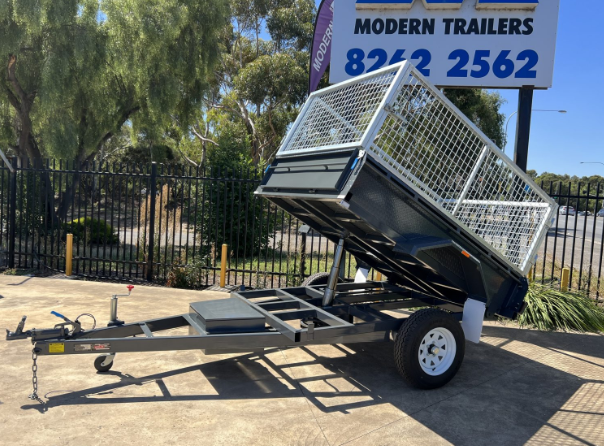
Hydraulic lifting systems help Australian tradespeople, farmers, and landscapers unload materials efficiently. A well-maintained tipper trailer depends on clean hydraulic fluid, sound connections, and correctly operating lifting components. Regular visual checks can reveal developing wear and support reliable performance during demanding work. Careful loading and proper storage also extend equipment life. Understanding each maintenance task helps owners plan servicing, protect hydraulic parts, and keep unloading operations controlled throughout the working year.
How Does the Hydraulic System Work?
A hydraulic pump moves pressurised fluid from a reservoir into a lifting cylinder. As the cylinder extends, it raises the tipping body. A control valve directs fluid flow, letting the operator manage lifting and lowering as designed.
Seals contain hydraulic fluid, while hoses connect the main components. Many electric hydraulic systems use a battery-powered motor to drive the pump. Understanding these parts helps owners identify which checks are routine and which require specialists.
How Should Owners Maintain Hydraulic Fluid?
Clean hydraulic oil transfers power and lubricates moving parts. Owners can protect the system through several routine practices:
- Check Fluid Levels: Follow the manufacturer’s specified body position and reservoir markings when checking the oil level.
- Inspect Oil Condition: Look for cloudiness, unusual colour, or visible particles that may indicate contamination.
- Choose Correct Oil: Use the hydraulic fluid grade recommended for the installed equipment and operating conditions.
- Follow Service Intervals: Replace oil and filters as the manufacturer specifies.
- Keep Filling Tools Clean: Wipe reservoir openings and use suitable clean containers when topping up.
Record inspection dates, oil changes, and any observations for future servicing.
Which Hydraulic Components Need Regular Inspection?
Visual inspections help owners identify changes before lifting. Perform checks with equipment safely parked and the body lowered, following the manual. Check these areas:
- Hydraulic Hoses: Examine exposed sections for abrasion, cracks, swelling, and contact with sharp surfaces.
- Cylinder Rods: Check accessible rod surfaces for scoring, corrosion, and signs of seal leakage.
- Pump Connections: Inspect fittings, brackets, and connections for mounting security and seepage.
- Control Equipment: Confirm that switches and operating controls respond correctly as intended.
- Electrical Connections: Inspect battery terminals, wiring, and protective covers on powered systems.
- Tipping Hinges: Check pivot pins and bushes, and lubricate specified points.
Arrange appropriate repairs when damage or irregular operation appears.
How Can Loading Practices Protect Hydraulic Components?
Payload weight and placement affect the forces acting on the lifting mechanism. Compare the intended load with the trailer’s rated payload and distribute materials as directed. Dense materials, such as wet soil, deserve particular attention during loading.
Choose firm, level ground before raising the body. Check overhead clearance and keep people clear of the tipping area. Use the designated controls and follow the unloading procedure. Smooth operation and suitable load positioning help manage strain during tipping. Operators should remain at the controls while the body moves.
How Should Owners Clean and Store Their Trailer?
Cleaning makes wear easier to spot and exposes moving parts. Owners of a flat top tipper trailer can use these practices:
- Clear Material Residue: Remove soil, gravel, and debris from the deck, hinges, and accessible drainage points.
- Care for Cylinder Rods: Clean exposed surfaces as recommended.
- Protect Electrical Parts: Inspect plugs, switches, and covers after dusty work.
- Select Suitable Storage: Park on stable, level ground with the body in its recommended resting position.
- Inspect After Rough Work: Check accessible fittings for grit and wear.
Let cleaned areas dry, then follow the manufacturer’s guidance for corrosion care.
When Should Owners Arrange Professional Hydraulic Servicing?
Slow lifting, irregular movement, persistent leaks, or unusual pump sounds justify assessment by a technician. Specialist servicing includes pressure testing, cylinder seal replacement, valve checks, or hydraulic hose repairs. Technicians can also investigate recurring fluid contamination and inspect components.
Before hydraulic repairs, trained personnel should isolate the equipment and release stored pressure as instructed. A raised tipping body requires manufacturer-approved mechanical support during work beneath it. Service records help technicians plan repairs.
Conclusion
Long hydraulic service life depends on consistent maintenance and careful operation. Clean fluid, sound hoses, secure connections, and regular inspections support dependable lifting performance. Correct loading, careful tipping, and appropriate sheltered storage protect components. Owners who service their tipper trailer as instructed can identify wear early and plan timely repairs. Records and timely specialist attention support safer, more reliable material handling across Australian worksites.