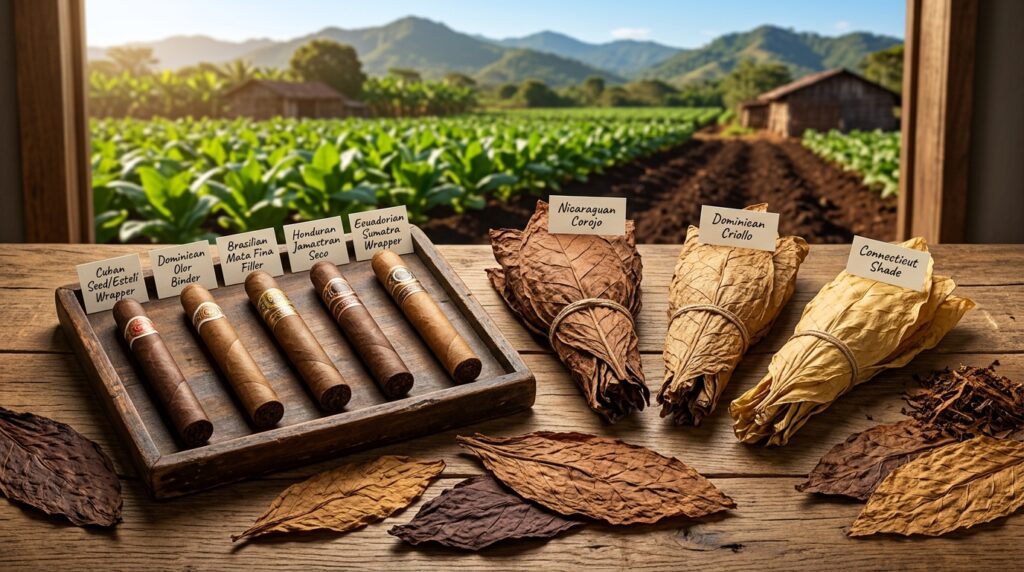
How Tobacco Origin Influences Cigar Flavor
Tobacco has been cultivated for centuries, with different regions developing distinctive growing and processing traditions. Geography plays an important role in shaping the characteristics of tobacco leaves. Climate, soil composition, rainfall, and sunlight all influence how tobacco plants grow. Consequently, tobacco from different regions can develop different aromas, textures, and flavor characteristics. Understanding these differences helps explain why tobacco origin matters in cigar production.
However, geography is only one part of the process. Farmers also influence leaf quality through cultivation, harvesting, curing, and fermentation. Manufacturers then combine selected leaves to create particular flavor profiles. Even when exploring products such as backwoods true wraps, understanding tobacco materials and processing provides useful context about the broader tobacco industry. Still, a product’s specific flavor depends on its ingredients, construction, and manufacturing methods rather than origin alone.
1. Why Tobacco Origin Matters
Tobacco plants respond to the environmental conditions in which they grow. Different regions offer unique combinations of temperature, humidity, sunlight, and soil nutrients. These conditions affect leaf development and chemical composition.
For example, a region with warm temperatures and suitable rainfall may support vigorous plant growth. Meanwhile, differences in sunlight can influence leaf thickness and texture. Such variations can affect the qualities manufacturers look for when selecting tobacco.
Local farming traditions also contribute to regional differences. Farmers develop cultivation methods suited to their environment and preferred tobacco varieties. Over time, these practices can become closely associated with particular growing regions.
Nevertheless, tobacco origin does not guarantee a specific flavor. Two farms in the same region can produce leaves with noticeably different characteristics. Harvest conditions and processing methods can also change between growing seasons.
Therefore, geographic origin is best understood as one useful indicator among several. It provides background information, but the complete production process determines the finished tobacco’s characteristics.
2. The Role of Climate in Tobacco Development
Climate influences tobacco throughout its growing cycle. Temperature, rainfall, humidity, and sunlight affect the plant’s development from planting through maturity. Each variety has particular environmental requirements.
Temperature affects how quickly tobacco plants grow. Suitable warmth supports development, while extreme heat can place plants under stress. Cooler conditions may slow growth and change the timing of harvest.
Rainfall also plays an important role. Tobacco requires sufficient moisture, but excessive water can create cultivation problems. Too little rainfall may limit growth and affect leaf development.
Sunlight influences photosynthesis and the development of tobacco leaves. Different light conditions can produce variations in leaf size, thickness, and structure. These differences may influence how leaves behave during curing and manufacturing.
Humidity matters after harvesting as well. Tobacco requires controlled conditions during curing and storage. Poor moisture management can damage leaves or encourage mold growth.
Although climate influences tobacco quality, it cannot independently predict the final flavor. Processing, fermentation, aging, and blending remain important parts of the equation.
3. How Soil Affects Tobacco Quality
Soil provides the nutrients, water, and physical support that tobacco plants need. Its structure and mineral composition can influence plant growth and leaf development.
Sandy soils typically drain water faster than heavier clay soils. This difference affects irrigation requirements and how farmers manage their fields. Soil structure also influences root development and the availability of moisture.
Soil acidity can affect nutrient availability. When pH levels fall outside suitable ranges, plants may struggle to absorb certain nutrients. Farmers can use soil tests to identify these conditions and plan appropriate treatments.
Organic matter also contributes to soil health. It can improve soil structure and help retain moisture. However, its effects depend on the soil’s existing condition and the farming system.
It would be misleading to connect one soil mineral directly with a particular cigar flavor. Flavor develops through complex interactions involving plant genetics, growing conditions, curing, fermentation, and blending.
Consequently, soil should be considered part of a broader agricultural system. Its influence becomes clearer when combined with information about climate and tobacco processing.
4. Major Tobacco-Growing Regions
Several countries are widely recognized for producing cigar tobacco. Each has distinct agricultural environments and manufacturing traditions. However, flavor profiles vary considerably within every country.
Cuba
Cuba has a long history of cigar tobacco cultivation. The Vuelta Abajo region in Pinar del Río is particularly well known for its tobacco-growing tradition.
Its reputation reflects local environmental conditions and generations of agricultural experience. Cuban tobacco can contribute earthy, woody, spicy, and aromatic qualities to cigar blends.
Nevertheless, Cuban cigars do not share one universal flavor. Leaf selection, fermentation, aging, and blending create differences between products.
Dominican Republic
The Dominican Republic is another significant producer of cigar tobacco. Its industry includes different growing areas and several tobacco varieties.
Dominican tobacco can contribute creamy, woody, nutty, or gently spicy notes. Manufacturers select different leaves according to their intended blend and construction.
These characteristics are general tendencies rather than guarantees. Individual products can vary substantially depending on the tobacco used.
Nicaragua
Nicaragua has become an important source of cigar tobacco. Regions such as Estelí, Jalapa, and Condega offer different growing conditions.
Nicaraguan tobacco is often associated with earthy, peppery, and full-bodied characteristics. However, some blends deliver milder or more balanced profiles.
Differences in soil, elevation, climate, and processing contribute to this diversity. Manufacturers may also combine Nicaraguan leaves with tobacco from other countries.
Honduras
Honduras has an established cigar tobacco industry with several growing areas. Its tobacco can contribute earthy, woody, herbal, and spicy qualities.
The final result depends on the variety and how producers handle the leaves. As elsewhere, growing location provides useful context rather than a complete flavor prediction.
5. Tobacco Varieties and Their Characteristics
Tobacco varieties differ in leaf size, texture, growth patterns, and chemical composition. These characteristics influence how manufacturers use them in cigar production.
Some varieties are commonly selected for wrappers. Others are preferred for binder or filler applications. Each component serves a particular purpose within the finished cigar.
Wrapper leaves contribute to appearance and can influence aroma. Binder leaves help hold the cigar together and support its construction. Filler leaves provide much of the blend’s internal character.
Manufacturers combine these components to achieve specific results. One blend may emphasize smoothness and sweetness, while another focuses on spice or earthy notes.
Plant genetics also matter. Different varieties can respond differently to similar environmental conditions. Therefore, a complete understanding of tobacco origin includes both geography and the plant itself.
6. Curing Changes Tobacco Characteristics
Harvesting is followed by curing, which reduces moisture and prepares tobacco leaves for further processing. The curing method influences color, aroma, and the chemical changes occurring within the leaves.
Air-curing involves hanging leaves in ventilated structures under managed conditions. Flue-curing uses controlled heat, while sun-curing relies on sunlight. Different tobacco types require different approaches.
Curing must be carefully managed. Incorrect temperature or humidity can damage leaves and reduce their suitability for manufacturing.
After curing, cigar tobacco may undergo fermentation. During this process, heat and moisture encourage chemical changes that can alter aroma and reduce certain harsh characteristics.
Producers monitor fermentation conditions closely. Poorly managed fermentation can damage tobacco rather than improve it. Experienced manufacturers adjust the process according to the type and condition of the leaves.
Storage and aging can further influence tobacco over time. However, aging does not automatically improve every product. Appropriate handling remains essential throughout the process.
7. Blending Creates Distinctive Flavor Profiles
A cigar’s flavor generally reflects a combination of tobacco leaves rather than one geographic source. Manufacturers blend different varieties and origins to achieve particular characteristics.
One leaf may contribute earthy depth, while another provides sweetness or spice. A third may support the desired texture or burning properties.
The wrapper, binder, and filler work together within the finished product. Their relative proportions and individual characteristics influence the overall blend.
Manufacturers may combine tobacco from several countries. This approach allows them to balance qualities that might be difficult to achieve with one origin alone.
Regional blending traditions can also influence a manufacturer’s style. Nevertheless, recipes may change because of crop availability and production requirements.
Since tobacco is an agricultural product, natural variation occurs between harvests. Blenders work to maintain consistency while adapting to differences in leaf quality.
8. Aroma, Flavor, and Personal Perception
Aroma and flavor are closely related, but they are not identical. Aroma refers to scents detected through the nose. Flavor includes aroma alongside taste and other sensory information.
Tobacco descriptions may mention cedar, earth, leather, cocoa, spice, or dried fruit. These terms help communicate sensory impressions, but they are not exact measurements.
Different people may describe the same product differently. Familiarity and individual sensory sensitivity influence how people interpret aromas.
Storage conditions can also affect tobacco characteristics. Excessive dryness may damage leaves, while excessive moisture can encourage mold. Poor storage can obscure the qualities associated with a particular blend.
Consequently, regional flavor descriptions should be treated as general guidance. They cannot guarantee that every product from a specific country will have identical characteristics.
9. Understanding Product Origin Information
Product descriptions can help readers distinguish tobacco origin from manufacturing location. These terms are related, but they do not always mean the same thing.
A cigar manufactured in one country may contain tobacco grown elsewhere. Some products use wrappers, binders, and fillers sourced from different regions.
When researching a product, check the manufacturer’s description and available specifications. Reliable information may identify the country of manufacture, tobacco varieties, or components used in the blend.
Be cautious of broad marketing claims that promise a particular flavor solely because of origin. Geography provides context, but it does not establish every characteristic.
Country of origin also does not automatically prove authenticity or quality. Product details should be considered alongside manufacturing information and the reputation of the seller.
10. How Storage Preserves Tobacco Quality
Storage influences tobacco after processing and manufacturing. Appropriate conditions help preserve leaf integrity and reduce avoidable deterioration.
Humidity and temperature should suit the specific product. Excessively dry environments can cause tobacco to become brittle. Excess moisture may encourage mold or other storage problems.
Packaging also plays a role in protecting tobacco during transportation. Damaged packaging can expose products to unfavorable conditions.
Retailers should follow suitable storage procedures and monitor their inventory. Customers should examine delivered products for visible damage or unusual odors.
However, storage problems do not automatically indicate counterfeit products. Authentic tobacco can deteriorate when handled incorrectly. Product condition and authenticity should therefore be assessed separately.
Conclusion
Tobacco origin influences cigar characteristics through climate, soil, plant variety, and regional farming traditions. These factors affect leaf development and contribute to differences in texture and aroma.
However, origin is only one part of the process. Curing, fermentation, aging, blending, and storage continue to shape tobacco characteristics after harvesting.
Understanding these connections helps readers interpret product descriptions more accurately. It also explains why tobacco from the same country can produce different results.
Ultimately, the most useful approach considers geographic origin alongside processing methods and reliable product information. This broader perspective provides a clearer understanding of tobacco production and the factors that influence finished cigar products.
