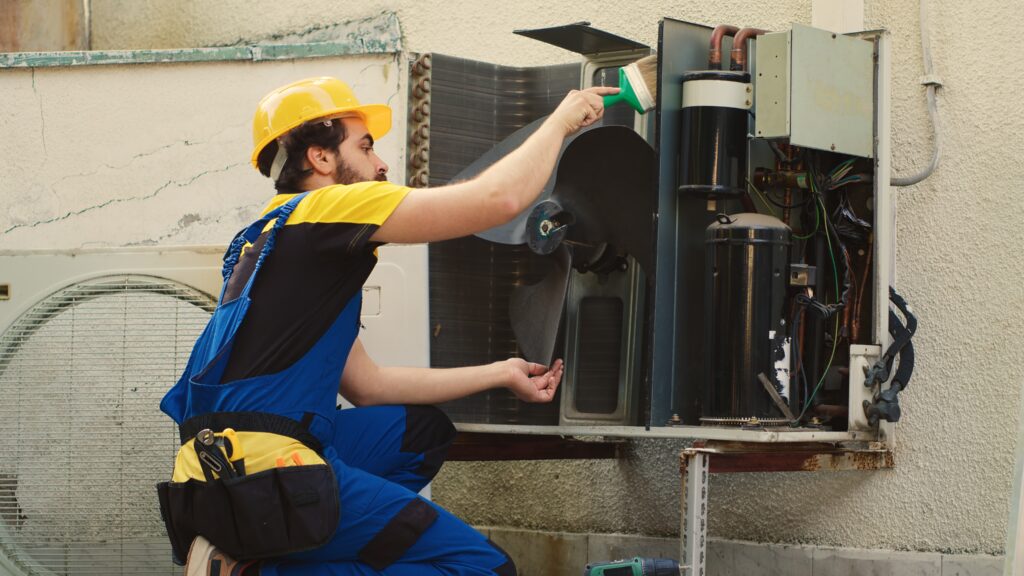
Indoor air quality has become more important than ever, whether you’re at home, in an office, or managing a commercial building. One of the simplest yet most important components of your HVAC system is the air filter. It works continuously to trap dust, pollen, pet dander, mold spores, and other airborne particles before they circulate throughout your indoor space.
Over time, however, the filter becomes clogged with dirt and debris. When this happens, it can no longer perform efficiently, causing poor airflow, higher energy consumption, and unnecessary strain on your heating and cooling system. Ignoring a dirty air filter can also reduce indoor air quality and lead to costly HVAC repairs.
Knowing the warning signs can help you replace the filter before it affects your comfort and your HVAC system’s performance. Here are the top signs that your Best HVAC air filter needs immediate replacement.
Your Air Filter Appears Dirty
The easiest way to determine whether your air filter needs replacement is by looking at it.
A clean HVAC filter is usually white or light in color. As it collects dust, dirt, and other particles, it becomes darker and clogged. If you can no longer see the filter material clearly because it’s covered with debris, it’s time for a new one.
Checking your air filter once a month is a simple habit that can help prevent larger HVAC problems later.
Weak Airflow from Air Vents
Have you noticed that your air conditioner or heater isn’t blowing air as strongly as it used to?
A clogged filter restricts airflow, making it harder for your HVAC system to distribute air throughout your home. Rooms may take longer to reach the desired temperature, and some areas may feel less comfortable than others.
Replacing the air filter often restores proper airflow and helps your HVAC system work more efficiently.
Higher Energy Bills
A sudden increase in your electricity bill without any significant change in usage may be linked to your HVAC air filter.
When airflow is restricted, your HVAC system must run longer to heat or cool your space. This extra workload increases energy consumption and results in higher utility costs.
A clean filter allows air to move freely, helping your system operate with less effort and improving overall energy efficiency.
More Dust Around Your Home
If you find yourself dusting furniture more frequently than usual, your HVAC filter could be the reason.
An overloaded filter cannot capture airborne dust effectively. Instead, these particles continue circulating through your home’s ventilation system and eventually settle on furniture, shelves, electronics, and floors.
Replacing the filter helps reduce indoor dust and keeps your living space cleaner.
Allergy Symptoms Are Becoming More Frequent
Your HVAC air filter plays an important role in improving indoor air quality by trapping allergens.
When the filter becomes clogged, allergens such as pollen, pet dander, dust mites, and mold spores can circulate throughout your home.
If family members begin experiencing symptoms like frequent sneezing, itchy eyes, coughing, or breathing discomfort indoors, a dirty air filter may be contributing to the problem.
Installing a fresh filter can help reduce airborne allergens and create a healthier indoor environment.
Uneven Heating or Cooling
Do some rooms feel too warm while others remain too cold?
Poor airflow caused by a clogged filter can prevent conditioned air from reaching every room evenly. As a result, your HVAC system struggles to maintain consistent temperatures throughout the building.
Although uneven temperatures can have several causes, checking the air filter should always be one of the first troubleshooting steps.
Your HVAC System Runs Longer Than Normal
A healthy HVAC system cycles on and off to maintain the temperature set on your thermostat.
If you notice that the system runs continuously or takes much longer to cool or heat your space, restricted airflow from a dirty filter may be forcing it to work harder.
Longer operating cycles increase wear on important components like the blower motor and compressor, potentially shortening the lifespan of your HVAC system.
Unpleasant Odors from Air Vents
Musty or dusty smells coming from your air vents often indicate that dirt and contaminants have accumulated inside the air filter.
Moisture combined with trapped dust can also encourage mold and bacteria growth, creating unpleasant odors whenever the HVAC system operates.
Replacing the air filter is often the quickest solution to eliminate these smells and improve indoor air freshness.
Strange HVAC Noises
An HVAC system working harder than normal may produce unusual sounds.
You might hear:
- Whistling noises
- Loud airflow sounds
- Humming
- Rattling
While these noises don’t always indicate a dirty filter, restricted airflow is a common cause. Replacing the filter is an easy and inexpensive first step before investigating more complex mechanical issues.
Ice on the Indoor Cooling Coil
If your air conditioner develops ice around the evaporator coil or refrigerant lines, restricted airflow may be responsible.
A clogged filter reduces the amount of warm air flowing across the evaporator coil. This can cause the coil’s temperature to drop below freezing, allowing ice to form.
Ignoring this problem can eventually damage major HVAC components and result in expensive repairs.
You Have Pets in Your Home
Homes with dogs or cats usually require more frequent air filter replacement.
Pet hair and dander accumulate quickly inside HVAC filters, reducing their efficiency much faster than in homes without pets.
If you have multiple pets, checking the filter every month is a smart maintenance practice.
It’s Been Several Months Since the Last Replacement
Sometimes the biggest warning sign is simply forgetting when the filter was last changed.
Most HVAC air filters should be inspected every month. Depending on the filter type and indoor environment, replacement is generally recommended every one to three months.
If you cannot remember your last filter replacement, it’s a good idea to inspect it today.
How to Extend the Life of Your HVAC System
Replacing the air filter regularly is one of the easiest ways to protect your HVAC investment.
You can also improve system performance by:
- Checking the filter every month.
- Replacing it before it becomes heavily clogged.
- Keeping air vents clean and unblocked.
- Scheduling annual HVAC maintenance.
- Using the correct filter size recommended by the manufacturer.
- Keeping doors and windows closed while the HVAC system is running.
These simple maintenance habits improve airflow, reduce energy usage, and help your heating and cooling equipment last longer.
Final Thoughts
Your HVAC air filter may be small, but it has a significant impact on indoor air quality, energy efficiency, and the overall performance of your heating and cooling system. Ignoring a clogged filter can lead to poor airflow, higher electricity bills, increased dust, worsening allergies, and unnecessary wear on expensive HVAC components.
By recognizing the early warning signs and replacing your air filter on time, you can keep your HVAC system running efficiently while maintaining a cleaner, healthier, and more comfortable indoor environment. Regular filter replacement is a simple maintenance task that delivers long-term benefits, helping you save money on energy costs and avoid unexpected repairs in the future.